Image 1 of 11
1 / 11
Plant Reference
Viburnum, Genus, opulus, Species, 'Roseum', Cultivar,
- Genus & species
- Cultivar
European cranberry bush
Species {V. opulus} native to Europe, northern Asia, and northern Africa. 'Roseum' is the all-sterile-floret cultivar (synonym 'Sterile')
Overview
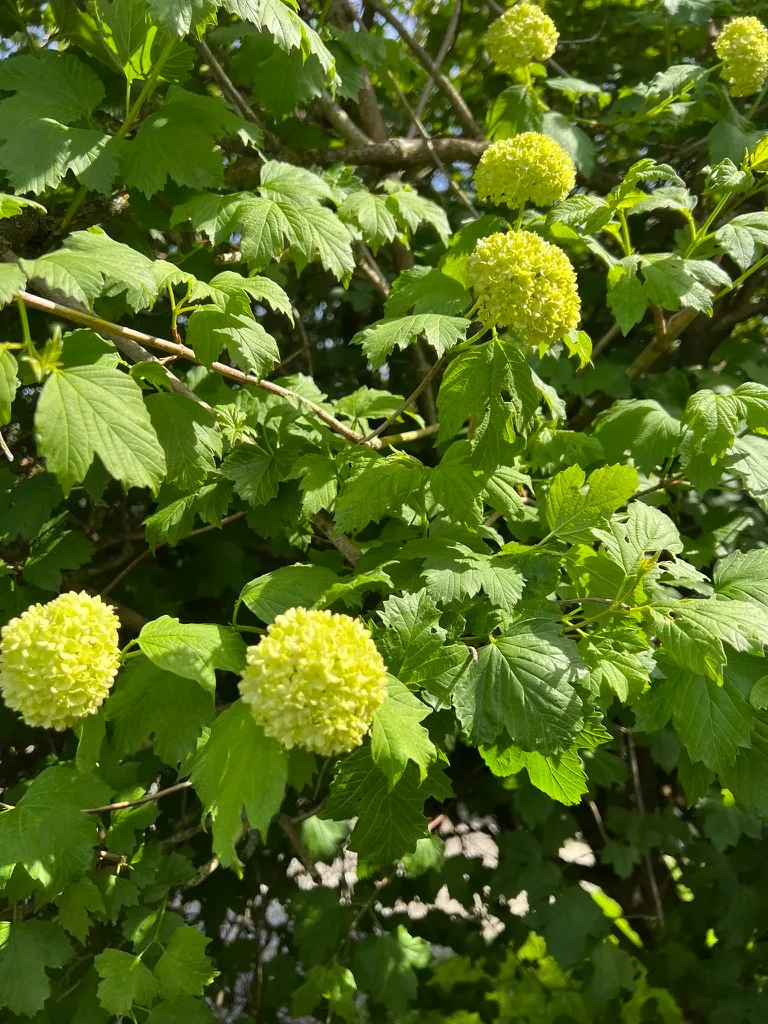
Viburnum opulus 'Roseum' is snowball viburnum (European snowball bush), an upright deciduous shrub growing 8-12 feet (2.4-3.6 m) tall and 8-12 feet (2.4-3.6 m) wide. Dense round globe-shaped flower clusters (snowballs) 2.5-3 inches (6-7 cm) of all sterile florets — opening chartreuse-green, maturing to white, then aging to pinkish over 3-4 weeks. No fertile flowers and no berries. Medium to dark green 3-lobed (maple-like) opposite leaves 2-4 inches (5-10 cm). Turns red to purple in fall. In Adoxaceae. Also sold as 'Sterile'. The all-sterile-floret form distinguishes 'Roseum' from the species type (lacecap flowers with red berries). Aphids heavily colonize the new growth and developing flower clusters in spring — this aphid infestation distorts the flower clusters and curls new leaves. Aphid management (or tolerance of the distortion) is the primary maintenance concern. Viburnum leaf beetle (Pyrrhalta viburni) is a secondary concern. The large mature size (8-12 feet / 2.4-3.6 m) is frequently underestimated. Deer browse. Drought-tolerant once established. Non-toxic. Zones 3-8. Full sun to partial shade. Growth rate is moderate to fast.
Native Range
Species V. opulus native to Europe, northern Asia, and northern Africa. 'Roseum' is the all-sterile-floret cultivar (synonym 'Sterile').Suggested Uses
Grown as a specimen shrub, informal hedge, and screen spaced 8-12 feet (2.4-3.6 m). Round snowball flower clusters. No berries (all sterile). Aphids on new growth. Large at maturity. Non-toxic. Zones 3-8.How to Identify
Appearance
Size & Dimensions
Height8' - 12'
Width/Spread8' - 12'
Bloom Information
Late spring (May-June). Dense round globe-shaped flower clusters 2.5-3 inches (6-7 cm) of all sterile florets. Chartreuse-green opening to white aging to pinkish. 4 weeks. No pollinator value (sterile). No berries.
Detailed Descriptions
Flower Description
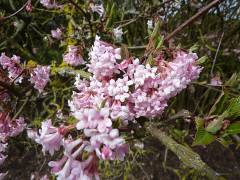
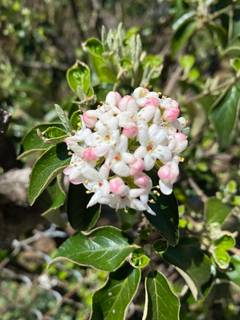
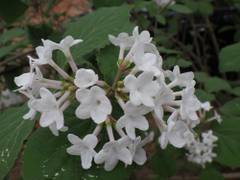
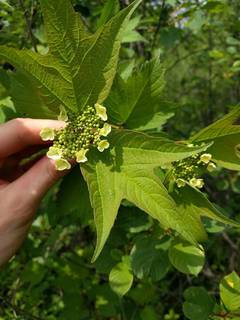
Chartreuse-green opening to white then aging to pinkish, in dense round globe-shaped clusters (snowballs) 2.5-3 inches (6-7 cm); all sterile florets — no fertile flowers and no berriesFoliage Description
Medium to dark green, simple, 3-lobed (maple-like), opposite, 2-4 inches (5-10 cm); turns red to purple in fallGrowing Conditions
Sun Requirements
Requires 4-12 hours of direct sunlight daily
• Full Sun: 6+ hours of direct sunlight
• Partial Shade: 3-6 hours of direct sunlight
• Full Shade: Less than 3 hours of direct sunlight
Care & Maintenance
Care Guide
Full sun to partial shade (4-12 hours). Well-drained soil pH 5.5-7.5. Drought-tolerant once established. Aphids colonize new growth and flower clusters in spring — may distort blooms. Viburnum leaf beetle. Large at maturity (8-12 feet / 2.4-3.6 m). Blooms on old wood — prune after flowering (June-July). Deer browse. Non-toxic. Zones 3-8.Pruning
Prune after flowering (June-July) — blooms on old wood. Remove 1/3 of the oldest stems at the base annually for renewal. The upright multi-stemmed form is natural. Do not prune in late winter (removes flower buds).Pruning Schedule
Prune: June–July
summer