Image 1 of 19
1 / 19
Plant Reference
Viburnum, Genus, tinus, Species,
- Genus & species
viburnum tinus
Mediterranean Basin — southern Europe, North Africa, and western Asia; maquis, coastal scrubland, and forest edges
Overview
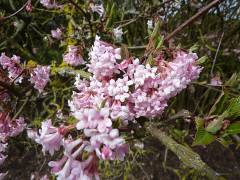
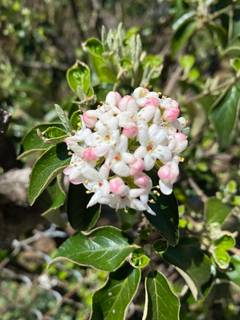
Viburnum tinus (laurustinus) is an upright evergreen shrub growing 6–12 feet (1.8–3.6 m) tall and 6–10 feet (1.8–3 m) wide. White flowers with pink blush sit in flat-topped terminal cymes 2–4 inches (5–10 cm) and bloom from November through April — about 14 weeks in mild Mediterranean and maritime climates. Pink-to-red buds form in fall and remain visible through winter before opening. Flowers are lightly fragrant. Metallic blue-to-black ovoid drupes 0.3 inch (8 mm) follow. Foliage consists of glossy dark green ovate to elliptic leathery leaves 2–4 inches (5–10 cm) long on reddish young stems. The species belongs to Adoxaceae; tinus is the ancient Latin name for the species, used by Pliny. Native to the Mediterranean Basin. Cold hardiness reaches about 10°F (-12°C), corresponding to USDA zone 7 — the limited cold tolerance is the principal climatic restriction outside maritime and Mediterranean regions. Tolerates salt spray, chalk soils, and urban pollution. Drought-tolerant once established. Viburnum beetle (Pyrrhalta viburni) is an emerging pest. Non-toxic. Deer-resistant. Hardy in zones 7–10.
Native Range
Native to the Mediterranean Basin — southern Europe, North Africa, and western Asia, in maquis, coastal scrubland, and forest edges.Suggested Uses
Used as an evergreen hedge, screen, foundation backdrop, and in containers of at least 7 gallons (26 L), spaced 6–10 feet (1.8–3 m). The 14-week winter-into-spring bloom supplies cool-season flower color in coastal and Mediterranean plantings within zones 7–10.How to Identify
Appearance
Size & Dimensions
Height6' - 12'
Width/Spread6' - 10'
Bloom Information
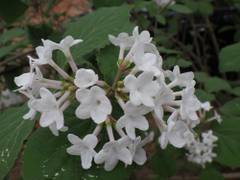
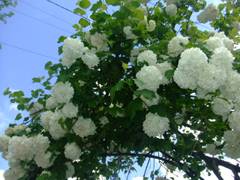
Winter through spring (November–April), about 14 weeks in mild Mediterranean and maritime climates. White flowers with pink blush 0.2 inch (5 mm) sit in flat-topped terminal cymes 2–4 inches (5–10 cm). Pink-to-red buds form in fall and persist through winter before opening. Lightly fragrant. Bee-visited as a winter nectar source. Metallic blue-to-black ovoid drupes 0.3 inch (8 mm) follow.
Detailed Descriptions
Flower Description
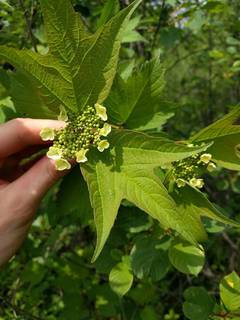
White with pink blush; small; 0.2 inch (5 mm); in flat-topped terminal cymes 2-4 inches (5-10 cm); November-April (about 14 weeks); buds pink to red-tinged and persistent through fall and winter before opening; lightly fragrant; followed by metallic blue-to-black ovoid drupes 0.3 inch (8 mm)Foliage Description
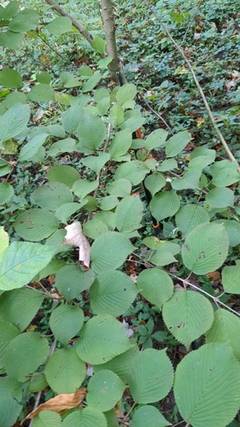
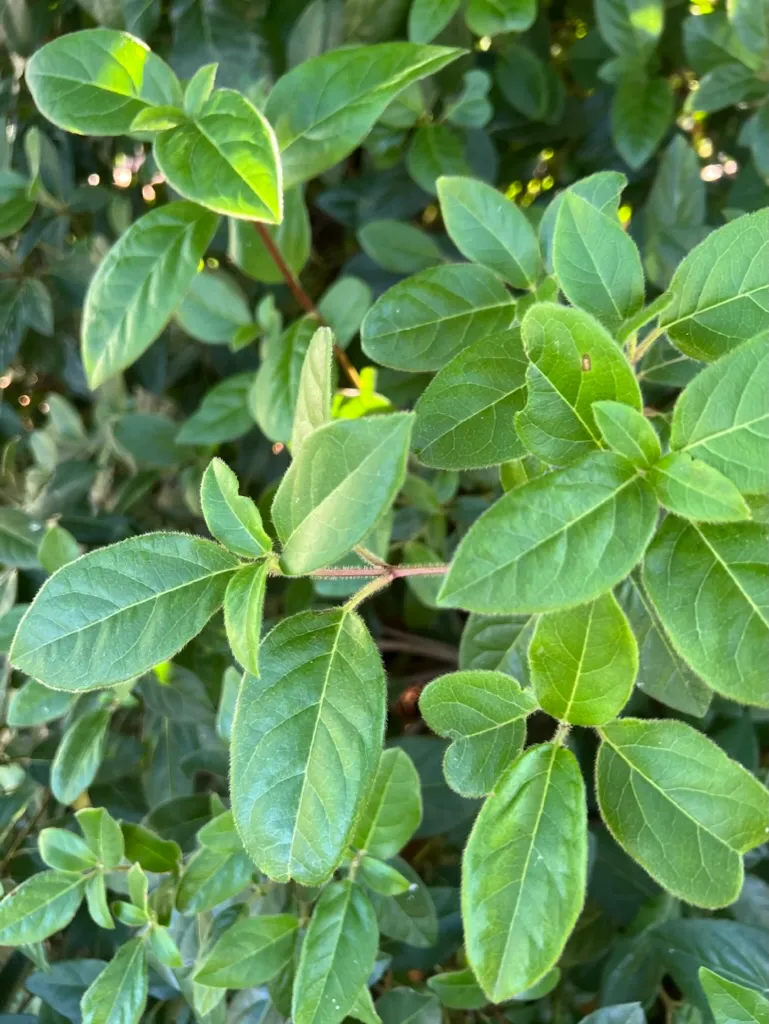
Glossy dark green; ovate to elliptic; 2-4 inches (5-10 cm); thick; leathery; reddish young stems; evergreen year-roundGrowing Conditions
Sun Requirements
Requires 4-10 hours of direct sunlight daily
• Full Sun: 6+ hours of direct sunlight
• Partial Shade: 3-6 hours of direct sunlight
• Full Shade: Less than 3 hours of direct sunlight
Care & Maintenance
Care Guide
Grows in full sun to partial shade with 4–10 hours of direct light. Soil pH 5.5–7.5 in well-drained loam, clay, sand, or chalk. Drought-tolerant once established (about 2 growing seasons). Tolerates salt spray and urban pollution. Cold hardiness reaches about 10°F (-12°C); colder zones cause stem dieback or plant loss. Pruning is done after the spring bloom flush in April–May. Viburnum beetle (Pyrrhalta viburni) is an emerging pest. Non-toxic. Deer-resistant. Suitable for zones 7–10.Pruning
Prune after the spring bloom flush in April–May to shape and control size. Tolerates formal hedging and hard renovation pruning into bare wood. Pruning later in summer or fall removes the pink-red buds that supply winter interest.Pruning Schedule
Prune: April–May
late spring
Container Growing
Suitable for container growing
Minimum container size: 7 gallons