Vaccinium, Genus, angustifolium, Species,
- Genus & species
lowbush blueberry
Overview
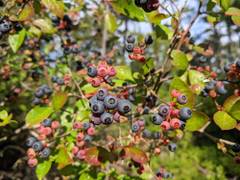
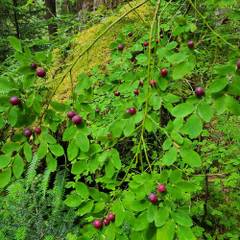
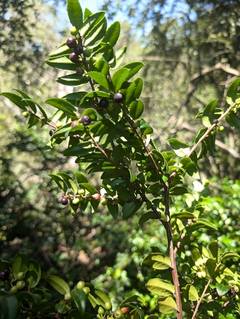
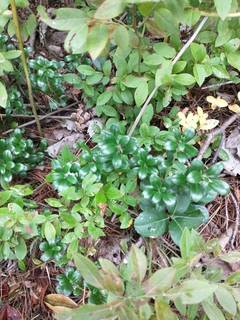
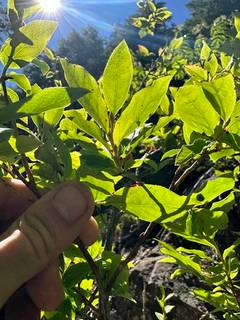
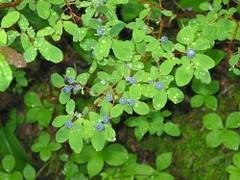
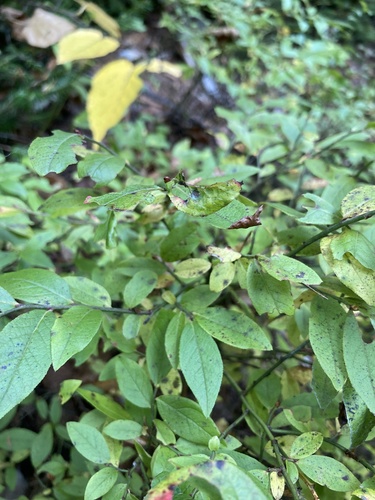
Vaccinium angustifolium is a low, deciduous shrub in the heath family, growing 6-24 inches (15-60 cm) tall and spreading by underground rhizomes into broad, loose colonies. The small, narrow, finely toothed leaves are 0.5-1.5 inches (1.5-4 cm) long, glossy green in summer and turning red to bronze in autumn. In spring it bears clusters of white to pink bell-shaped flowers about 0.25 inch (5-6 mm) long along the stems formed the previous year. These give way to round, blue-black berries 0.25-0.5 inch (6-12 mm) across with a pale waxy bloom, ripening in midsummer. Vaccinium angustifolium is the wild or lowbush blueberry harvested commercially in Maine and eastern Canada, where managed barrens are burned or mowed on a two-year cycle to renew the stems. It needs strongly acidic soil and grows poorly where the pH is too high. Limitations include a need for acidic, well-drained ground, low yields on a single plant, and shallow roots that dry out quickly.
Native Range
Vaccinium angustifolium is native to northeastern North America, from Newfoundland and Quebec west to Manitoba and south through the Great Lakes and New England to the higher Appalachians. It grows in acidic, sandy or rocky soils in open woods, clearings, barrens, and exposed hilltops.Suggested Uses
Vaccinium angustifolium is grown as an edible groundcover and low shrub in acidic beds, woodland edges, and naturalised plantings, spaced 2-3 feet (60-90 cm) apart. It is used for fruit, for red autumn colour in rock gardens, and for erosion control on acidic banks.How to Identify
Appearance
Size & Dimensions
Height6" - 2'
Width/Spread1' - 2'
Bloom Information
Vaccinium angustifolium flowers in mid to late spring, around April to June depending on latitude, opening clusters of small white to pink bell-shaped flowers. Bees and other insects pollinate the flowers, and good fruit set depends on this insect visitation. Berries ripen six to eight weeks later, through July and August.
Detailed Descriptions
Flower Description
White to pinkFoliage Description
Glossy green, red to bronze in fallGrowing Conditions
Sun Requirements
Requires 4-12 hours of direct sunlight daily
• Full Sun: 6+ hours of direct sunlight
• Partial Shade: 3-6 hours of direct sunlight
• Full Shade: Less than 3 hours of direct sunlight
Care & Maintenance
Care Guide
Vaccinium angustifolium grows in full sun to part shade on acidic, sandy or peaty, well-drained soil with a pH of 4.0-5.5. It needs consistent moisture but will rot in soggy ground, and a mulch of pine needles or bark keeps the shallow roots cool and damp. Lime and alkaline water cause iron chlorosis and weak growth, so acidic conditions are maintained. Plants fruit more heavily when two or more seedlings or varieties grow together for cross-pollination. Mowing or burning every second year renews old, woody stems and lifts berry yield. Few serious pests occur, though birds take the ripe fruit.Pruning
Vaccinium angustifolium is renewed by cutting or mowing the whole planting to the ground every two to three years in late winter, which prompts vigorous new fruiting stems. Burning the dormant barrens achieves the same renewal in managed plantings. Individual plants need only the removal of dead or damaged wood between renewals.Pruning Schedule
Prune: February–March
winter
Container Growing
Suitable for container growing
Minimum container size: 5 gallons