Vaccinium, Genus, macrocarpon, Species,
- Genus & species
American cranberry
Eastern and north-central North America
Overview
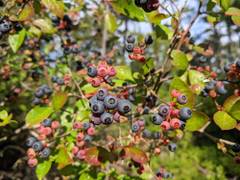
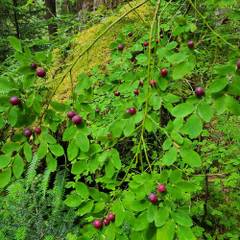
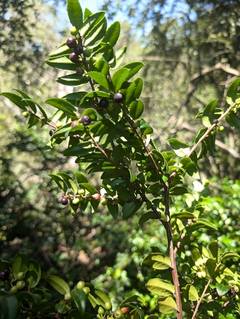
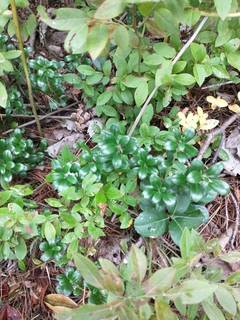
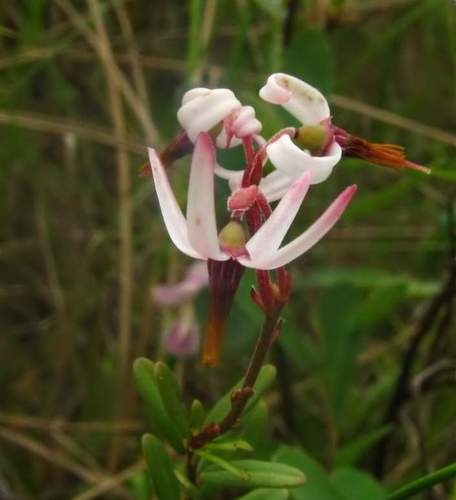
Vaccinium macrocarpon is a low, creeping, evergreen shrub in the heath family, forming a dense mat of slender woody runners 1-6 feet (0.3-1.8 m) long that root as they spread, with upright flowering shoots 2-8 inches (5-20 cm) high. The small leaves are leathery, oval, 0.25-0.7 inch (6-18 mm) long, dark green in summer and turning reddish-bronze in winter. In late spring to early summer it bears nodding pink flowers about 0.4 inch (10 mm) long with four petals that curve back, exposing the central column and giving the bloom a shooting-star shape. The flowers are followed by round red berries 0.4-0.8 inch (10-20 mm) across, ripening in fall and persisting on the vine. This is the commercial cranberry, grown in flooded peat bogs across the northern United States and Canada. It requires constantly moist, highly acidic, low-nutrient peat or sandy soil and full sun, and it fails in dry, alkaline, or fertile ground. The species grows in bogs, marshes, and wet shores of eastern North America, and is hardy in USDA zones 2 to 7. Plants are slow to establish but long-lived once rooted.
Native Range
Native to eastern and north-central North America, from Newfoundland and the Great Lakes south in the mountains to the Carolinas, growing in acidic bogs, peaty marshes, wet meadows, and pond shores.Suggested Uses
Grown as an edible fruit crop and as an evergreen groundcover for wet, acidic sites, spaced 12 inches (30 cm) apart for matting. Suits bog gardens, pond margins, and rain gardens where soil stays moist and acidic. Works in containers of moist peat where garden soil is unsuitable.How to Identify
Appearance
Size & Dimensions
Height2" - 8"
Width/Spread1' - 6'
Bloom Information
Detailed Descriptions
Foliage Description
dark greenGrowing Conditions
Sun Requirements
Requires 6-10 hours of direct sunlight daily
• Full Sun: 6+ hours of direct sunlight
• Partial Shade: 3-6 hours of direct sunlight
• Full Shade: Less than 3 hours of direct sunlight
Care & Maintenance
Care Guide
Grow in full sun in constantly moist, highly acidic soil with a pH around 4.0 to 5.5, ideally a peat-sand mix that never dries out. The species is a wetland plant and tolerates seasonal flooding but fails in dry or limey soil. Fertilizers high in nitrogen favor foliage over fruit and are kept to a minimum. A sand or acidic peat mulch supports the rooting runners. In commercial culture, bogs are flooded to shield plants from winter cold and to float the berries for harvest. Few pests trouble home plantings, though fruit rot can occur in poor drainage.Pruning
Prune in early spring to thin overgrown runners and encourage upright fruiting shoots. Removing excess runners channels growth into berry production. A light sand topdressing every few years keeps the bed productive.Pruning Schedule
Prune: March
early spring
Container Growing
Suitable for container growing
Minimum container size: 3 gallons