Image 1 of 13
1 / 13
Plant Reference
Vaccinium, Genus, ovatum, Species,
- Genus & species
evergreen huckleberry
Pacific coast of North America — British Columbia south through California
Overview
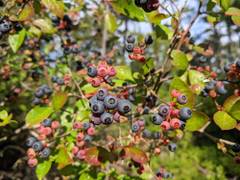
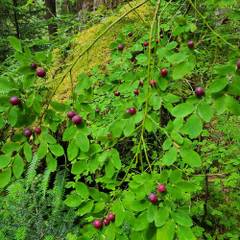
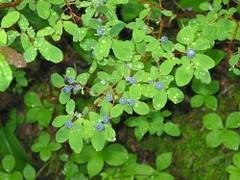
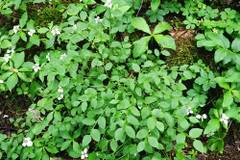
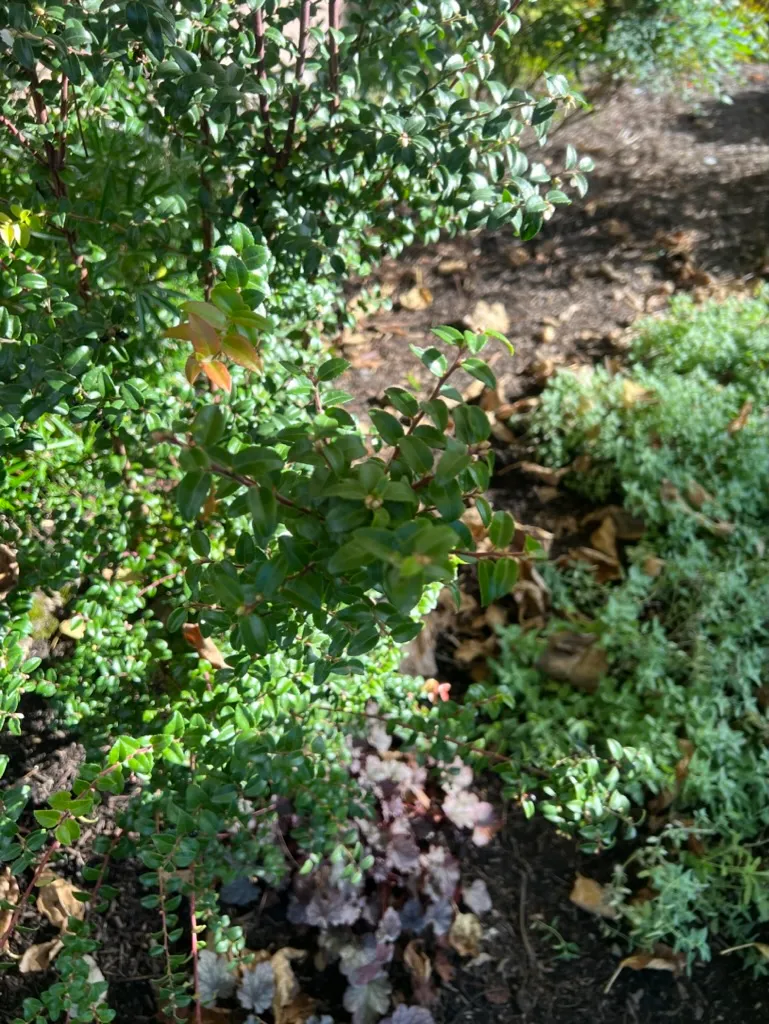
Vaccinium ovatum is an upright evergreen shrub growing 3-8 feet (90-240 cm) tall and 3-6 feet (90-180 cm) wide over 5-8 years; plants are shorter and denser in sun and taller and more open in shade. White to pale pink urn-shaped (urceolate) flowers, 0.25 inch (6 mm), appear in axillary racemes of 5-10 in March-May over 7 weeks. Glossy blue-black edible berries, 0.3 inch (8 mm), follow in late summer-fall and have a tart-sweet flavor used in jams, pies, and fresh eating. Leaves are glossy dark green, ovate, finely toothed, 1-1.5 inches (2.5-4 cm), leathery, with bronze to reddish-bronze new growth. Native to coniferous forest understory and coastal scrub along the Pacific coast from British Columbia south through California. The glossy foliage is commercially harvested as floral-industry greens. Requires acidic soil with a pH of 4.5-6.0 and consistent moisture; not drought-tolerant and not deer-resistant. Hardy in zones 7-9.
Native Range
Native to the Pacific coast of North America, from British Columbia south through California. Found in coniferous forest understory and coastal scrub.Suggested Uses
Grown in native woodland gardens, edible landscapes, informal hedges, and in containers of at least 5 gallons (19 L) with acidic potting mix, spaced 3-6 feet (90-180 cm) apart. Edible berries and floral-industry foliage suit Pacific Northwest native and edible plantings. Requires acidic soil. Non-toxic. Hardy in zones 7-9.How to Identify
Appearance
Size & Dimensions
Height3' - 8'
Width/Spread3' - 6'
Bloom Information
Mid to late spring (March-May). White to pale pink urn-shaped flowers, 0.25 inch (6 mm), in axillary racemes of 5-10 over 7 weeks. Hummingbird-, butterfly-, and bee-visited. Glossy blue-black edible berries, 0.3 inch (8 mm), follow in late summer-fall.
Detailed Descriptions
Flower Description
white to pale pink, urn-shaped (urceolate), 0.25 inch (6 mm), in axillary racemes of 5-10; March-May; followed by glossy blue-black edible berries 0.3 inch (8 mm) in late summer-fall — tart-sweet, used in jams, pies, and eaten freshFoliage Description
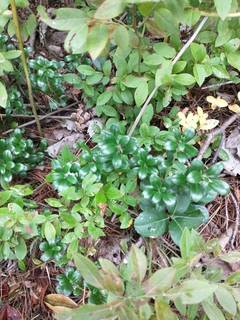
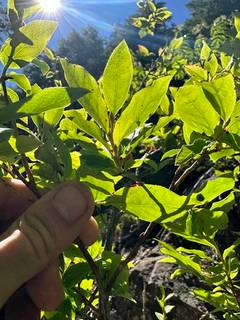
glossy dark green, ovate, finely toothed, 1-1.5 inches (2.5-4 cm), leathery; new growth emerges bronze to reddish-bronze; the glossy foliage is commercially harvested for the cut-foliage floral industry; evergreen year-roundGrowing Conditions
Sun Requirements
Requires 2-8 hours of direct sunlight daily
• Full Sun: 6+ hours of direct sunlight
• Partial Shade: 3-6 hours of direct sunlight
• Full Shade: Less than 3 hours of direct sunlight
Care & Maintenance
Care Guide
Site in part shade to full sun or full shade (2-8 hours direct sun); plants are shorter and denser in sun and taller and more open in shade. Soil should be well-drained and acidic, with a pH of 4.5-6.0; loam, peat-amended, or sandy mixes are suitable. Not drought-tolerant — water during dry spells through the establishment period and beyond. Berries are edible and tart-sweet. Not deer-resistant. Non-toxic. Hardy in zones 7-9.Pruning
Prune in early spring (February-March) to shape and remove crossing or dead branches. Tolerates hard renewal pruning and regrows from dormant buds along older stems. In native habitat, plants regenerate vigorously from the root crown after fire.Pruning Schedule
Prune: February–March
early spring
Container Growing
Suitable for container growing
Minimum container size: 5 gallons