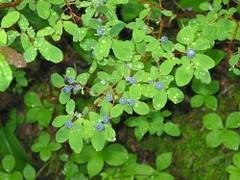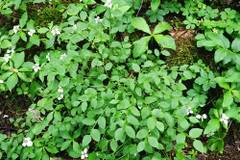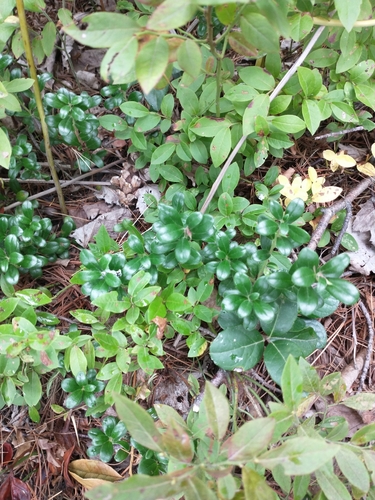
Vaccinium, Genus, vitis-idaea, Species,
- Genus & species
lingonberry
Circumpolar Northern Hemisphere — northern Europe, northern Asia, and northern North America (Alaska, Canada, northern US); boreal forests, tundra, and acidic heathland
Overview
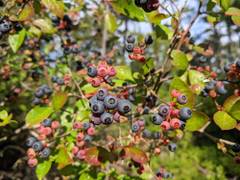
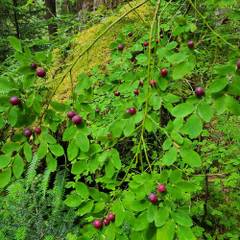
Vaccinium vitis-idaea is lingonberry (mountain cranberry), a low spreading evergreen shrub growing 6-12 inches (15-30 cm) tall and 12-24 inches (30-60 cm) wide. White to pale pink urn-shaped flowers 0.2 inch (5 mm) in terminal racemes in May-June (4 weeks) with a secondary late-summer bloom. Bright red persistent edible berries 0.3 inch (8 mm). Glossy dark green small obovate leathery leaves 0.3-0.8 inch (8-20 mm) with bronze winter tones. In Ericaceae. Vitis-idaea = vine of Mount Ida. Circumpolar — northern Europe, northern Asia, northern North America. Extremely cold-hardy (zone 2). Spreads by underground rhizomes. The berries are the Scandinavian food staple lingonberry — tart, naturally preserved by benzoic acid. Requires strongly acidic soil (pH 4.5-5.5). Not drought-tolerant. Heat-intolerant above zone 7. These acid-soil and cool-climate requirements are the primary limitations. Not deer-resistant. Non-toxic. Zones 2-7. Part sun. Growth rate is slow.
Native Range
Circumpolar Northern Hemisphere — northern Europe, northern Asia, and northern North America (Alaska, Canada, northern US). Found in boreal forests, tundra, and acidic heathland.Suggested Uses
Grown as a low edible evergreen ground cover, in rock gardens, and in containers of at least 2 gallons (7.5 L) with strongly acidic peat mix, spaced 12-24 inches (30-60 cm). Edible lingonberries. Strongly acidic soil required. Cool climates only (zones 2-7). Non-toxic.How to Identify
Appearance
Size & Dimensions
Height6" - 1'
Width/Spread1' - 2'
Bloom Information
Late spring (May-June) with a secondary bloom in late summer. White to pale pink urn-shaped flowers 0.2 inch (5 mm) in terminal racemes of 3-8. 4 weeks (primary). Bee-visited. Two berry crops per year in mild climates.
Detailed Descriptions
Flower Description
White to pale pink, urn-shaped (urceolate), 0.2 inch (5 mm), in short terminal racemes of 3-8; May-June with a secondary bloom in late summer; followed by bright red persistent edible berries 0.3 inch (8 mm) — the Scandinavian food staple lingonberry (lingonsylt, used in meatball sauce, pancakes, and preserves)Foliage Description
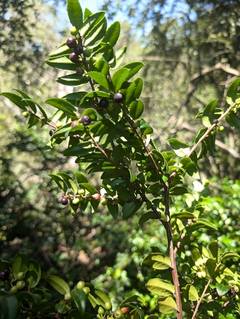
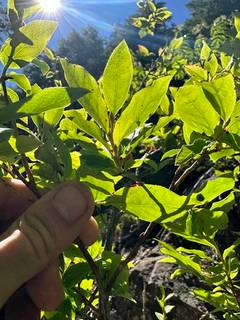
Glossy dark green, small, obovate, 0.3-0.8 inch (8-20 mm), leathery, with pale gland-dotted underside and rolled-under margins; bronze-tinged in winter cold; evergreen year-roundGrowing Conditions
Sun Requirements
Requires 3-8 hours of direct sunlight daily
• Full Sun: 6+ hours of direct sunlight
• Partial Shade: 3-6 hours of direct sunlight
• Full Shade: Less than 3 hours of direct sunlight
Care & Maintenance
Care Guide
Part sun to full sun (3-8 hours). Moist strongly acidic soil pH 4.5-5.5. Not drought-tolerant. Extremely cold-hardy (zone 2). Heat-intolerant above zone 7. Spreads by rhizomes. Edible berries (lingonberry). Not deer-resistant. Non-toxic. Zones 2-7.Pruning
Trim edges in early spring (March-April) to control spread. Remove old or damaged stems. Minimal pruning needed within the planting area.Pruning Schedule
Prune: March–April
early spring
Container Growing
Suitable for container growing
Minimum container size: 2 gallons