Vaccinium, Genus, fuscatum, Species,
- Genus & species
black highbush blueberry
Eastern and southeastern United States
Overview
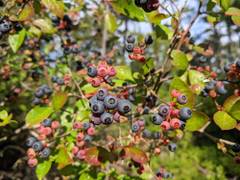
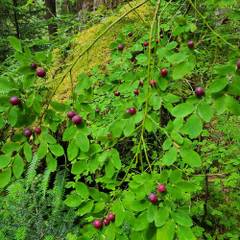
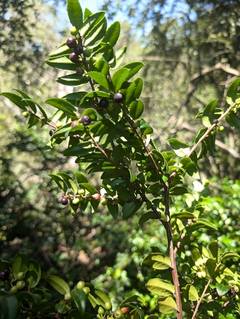
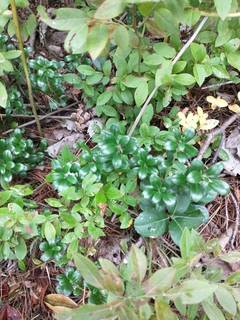
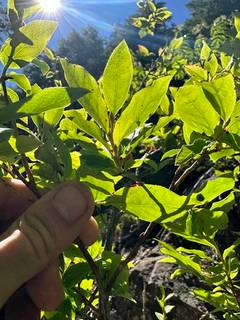
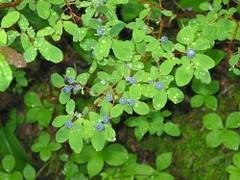
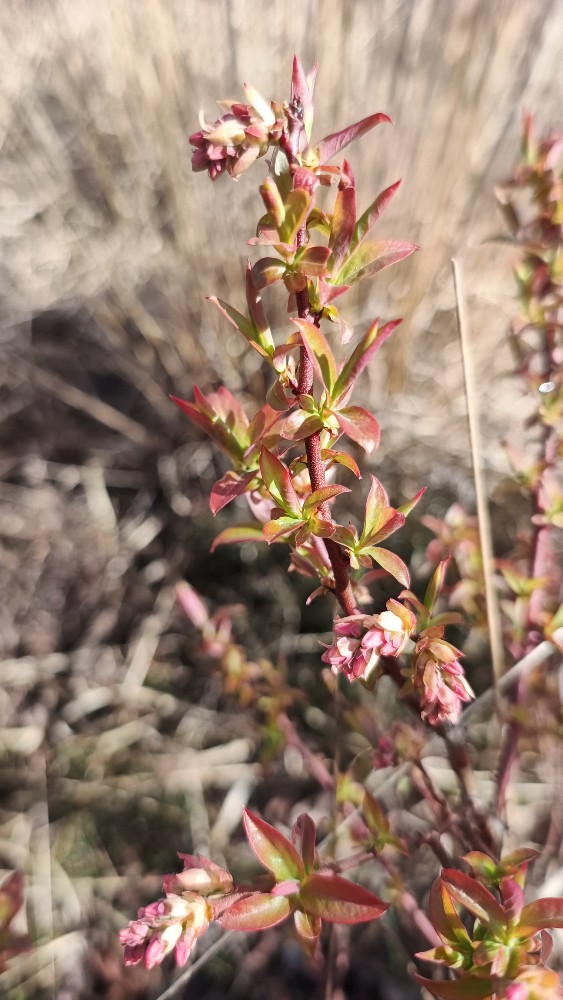
Vaccinium fuscatum is a deciduous shrub 3-12 feet (1-3.5 m) tall, with many slender, upright to arching stems forming an open, rounded crown. The elliptic leaves are 1-3 inches (2.5-7.5 cm) long, often with soft hairs beneath, and turn red to bronze in autumn before dropping. In early spring, before or with the new leaves, it bears clusters of small urn-shaped flowers about 0.3 inch (8 mm) long, white to pink, hanging beneath the twigs. These ripen into rounded black berries 0.2-0.4 inch (5-10 mm) wide that lack the waxy bloom of many blueberries, giving them a glossy black surface; they ripen from June to August and are edible. The plant grows in acidic, moist to wet soils of swamps, bogs, pocosins, and damp pine woods across the southeastern United States. It tolerates seasonally flooded ground and needs strongly acidic soil, growing poorly above pH 6. It spreads slowly by short rhizomes into loose colonies. It does not tolerate alkaline soils or prolonged drought.
Native Range
Vaccinium fuscatum is native to the eastern and southeastern United States, from southern New England and New York south to Florida and west to Texas, mainly on the Atlantic and Gulf coastal plains. It grows in swamps, bogs, pocosins, pond margins, and moist to wet acidic woodlands.Suggested Uses
Used in wet and rain gardens, pond and stream margins, and native shrub borders on acidic ground. The fruit is eaten fresh or cooked and draws birds and other wildlife. Suited to naturalized, moist plantings rather than dry sites.How to Identify
Appearance
Size & Dimensions
Height3' - 12'
Width/Spread3' - 8'
Bloom Information
Small urn-shaped white to pink flowers about 0.3 inch (8 mm) long open in clusters in early spring, before or with the emerging leaves. Bees pollinate them, including specialist bees that buzz the flowers to release pollen. Black berries ripen from June to August.
Detailed Descriptions
Flower Description
white to pinkFoliage Description
green, turning red to bronze in autumnGrowing Conditions
Sun Requirements
Requires 4-8 hours of direct sunlight daily
• Full Sun: 6+ hours of direct sunlight
• Partial Shade: 3-6 hours of direct sunlight
• Full Shade: Less than 3 hours of direct sunlight
Care & Maintenance
Care Guide
Vaccinium fuscatum grows in full sun to part shade on moist to wet, strongly acidic soil rich in organic matter, and tolerates seasonal flooding. Fruiting and growth are strongest in acidic ground below pH 5.5; the foliage yellows in soils that are too alkaline. It is propagated from softwood cuttings or seed and benefits from a mulch of pine bark or peat. Steady moisture is needed, as the shallow roots dry quickly. It is hardy in USDA zones 5-9 and withstands wet sites that many shrubs cannot. It does not tolerate drought or limy soils.Pruning
Old, crowded, or weak stems can be thinned at the base in late winter to renew the shrub. Removing the oldest canes every few years keeps fruiting wood productive. Light shaping is done after harvest.Pruning Schedule
Prune: February–March
winter