Vaccinium, Genus, reticulatum, Species,
- Genus & species
Ohelo berry
Overview
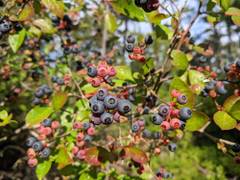
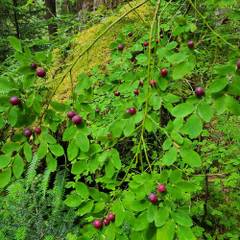
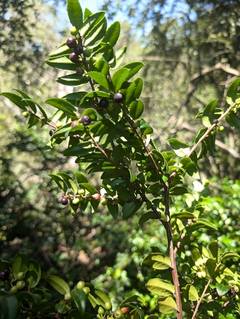
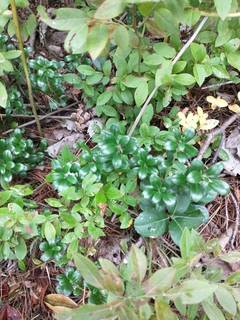
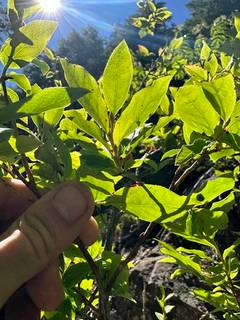
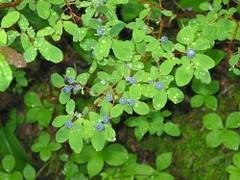
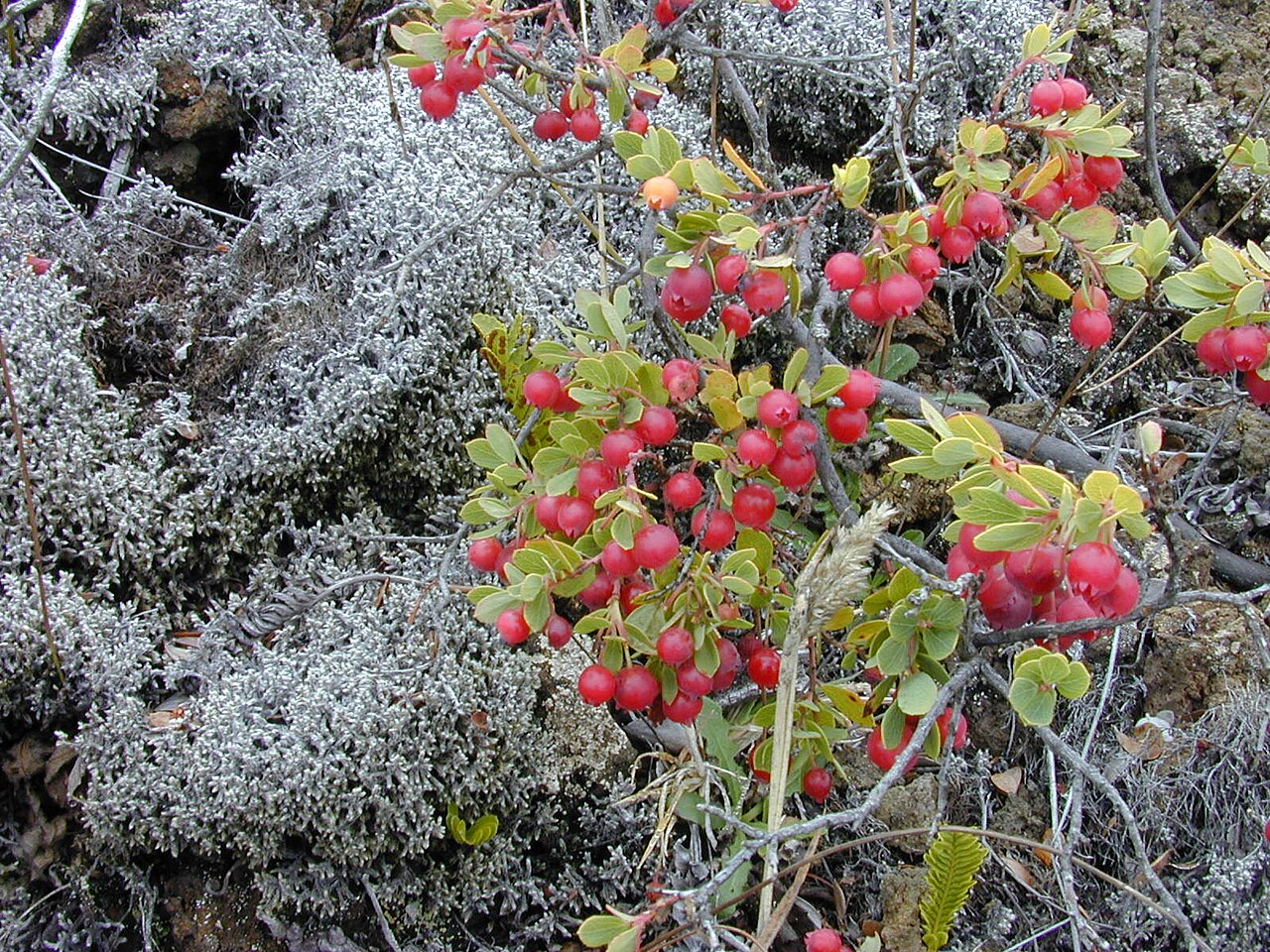
Vaccinium reticulatum is a low evergreen shrub 1-4 feet (30-120 cm) tall and 2-4 feet (60-120 cm) wide, spreading by underground rhizomes into open colonies on volcanic ground. Leaves are alternate, leathery, rounded to oval, 0.4-1.2 inches (1-3 cm) long, shallowly toothed, and carry a raised net of veins on both surfaces that gives the species its epithet; new growth and sun-exposed leaves flush red. Flowers are urn-shaped, 0.25-0.4 inch (6-10 mm) long, pink, yellow, or red, and hang singly from the leaf axils. Berries are round, 0.3-0.6 inch (8-15 mm) across, and ripen red, orange, yellow, or purple depending on the plant, with sweet-tart flesh used in jam, pie, and preserves. The shrub colonizes fresh cinder and lava, resprouting from rhizomes after fire and after burial by ash. It occupies open subalpine and alpine shrubland from 2,000 to 12,000 feet (600-3,700 m), and plants moved to warm lowland gardens decline within 1-2 seasons because they require cool nights and acidic, sharply drained substrate. Nene geese and native birds eat the berries and disperse the seed.
Native Range
Vaccinium reticulatum is endemic to the Hawaiian Islands and is most abundant on Hawaii island and Maui, with smaller populations on Molokai, Oahu, and Kauai. It grows in open subalpine shrubland, on lava flows, and across cinder fields between 2,000 and 12,000 feet (600-3,700 m). The plant is used in offerings at Kilauea and is associated with the volcano deity Pele.Suggested Uses
Grown in rock gardens, cinder beds, container collections, and Hawaiian native plantings at spacings of 2-3 feet (0.6-0.9 m) on cool upland sites. Berries are picked for jam, jelly, pie, and fresh eating, with yields of 1-3 pounds (0.5-1.4 kg) per established plant. Planted in subalpine restoration on Maui and Hawaii island, where the rhizome mass stabilizes loose cinder.How to Identify
Appearance
Size & Dimensions
Height1' - 4'
Width/Spread2' - 4'
Bloom Information
Flowering runs March through September at most elevations, with scattered flowers at other times of year. Individual urn-shaped flowers last 1-2 weeks, and a plant carries flowers and ripe berries at the same time. Berries take 6-10 weeks to ripen from green through yellow to red or purple. Plants begin flowering 3-5 years from seed or about 2 years from cuttings.
Detailed Descriptions
Flower Description
Pink, yellow, or redFoliage Description
Green with red flushing and a raised vein networkGrowing Conditions
Sun Requirements
Requires 6-12 hours of direct sunlight daily
• Full Sun: 6+ hours of direct sunlight
• Partial Shade: 3-6 hours of direct sunlight
• Full Shade: Less than 3 hours of direct sunlight
Care & Maintenance
Care Guide
Vaccinium reticulatum requires full sun, sharply drained volcanic cinder, scoria, or a coarse acidic mix at pH 4.0-5.5, and cool nights near 40-55F (4-13C) for sustained growth. It tolerates 3-5 dry months once established and fails in soil that stays wet, where Phytophthora root rot follows within a season. Container culture uses a mix of cinder, perlite, and peat with no lime, watered with rainwater or acidified water, since alkaline tap water causes rapid chlorosis. Hardiness runs to USDA zones 9-11 and mature plants withstand freezing nights and light snow at elevation. Fertilizer is applied sparingly using an acid-forming formulation at quarter rate, as standard rates scorch the shallow root system. Plants transplant badly once established because of the shallow rhizome network, so young container stock is used for new plantings.Pruning
Light tip pruning in early spring takes out winter-damaged shoots and pushes branching, cutting no more than one quarter of the growth. Fruit forms on wood from the previous season, so hard cutting in autumn removes the next crop. Rhizome spread is limited by cutting through the runners at the bed edge with a spade. Old woody stems that no longer fruit are cut to the base a few at a time across several seasons.Pruning Schedule
Prune: February
early spring
Container Growing
Suitable for container growing
Minimum container size: 5 gallons