Image 1 of 18
1 / 18
Plant Reference
Vaccinium, Genus, corymbosum, Species,
- Genus & species
blueberry
Eastern North America — from Nova Scotia to Florida; bogs, swamps, moist acidic woodlands, and pine barrens
Overview
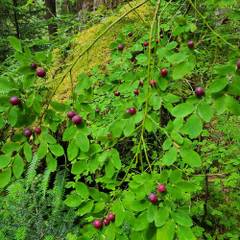
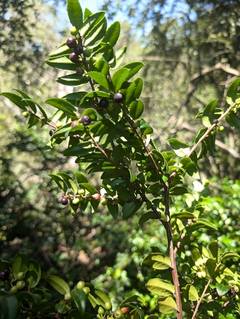
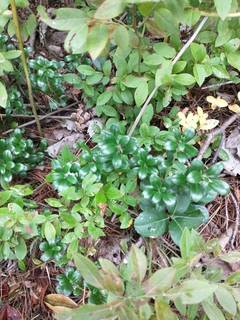
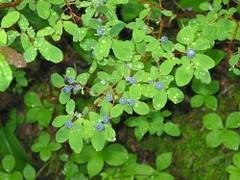
Vaccinium corymbosum is highbush blueberry (blueberry), an upright deciduous shrub growing 4-8 feet (1.2-2.4 m) tall and 3-6 feet (0.9-1.8 m) wide. White to pink urn-shaped flowers 0.3 inch (8 mm) in pendant clusters of 5-10 in April-May. Edible blue to blue-black berries 0.3-0.5 inch (8-13 mm) ripen June-August. Dark green glossy oval alternate leaves 1-3 inches (2.5-7 cm). Turns red, orange, scarlet, and burgundy in fall. In Ericaceae. Native to eastern North America. Requires strongly acidic soil (pH 4.5-5.5) — iron chlorosis, stunting, and decline in soil above pH 5.5. This strict acid-soil requirement is the primary limitation — most garden soils must be amended with sulfur or acidifying fertilizer. Requires cross-pollination — plant 2+ different cultivars. Bumblebee buzz-pollination required for fruit set. Birds consume the ripe berries — netting needed for harvest. Not drought-tolerant — consistent moisture required (shallow fibrous root system). Hundreds of named cultivars: 'Bluecrop' (mid-season, reliable), 'Duke' (early), 'Elliott' (late). Deer browse. Non-toxic. Zones 3-8. Full sun. Growth rate is moderate.
Native Range
Native to eastern North America — from Nova Scotia to Florida. Found in bogs, swamps, moist acidic woodlands, and pine barrens.Suggested Uses
Grown for edible fruit, as an ornamental shrub (fall color), and in containers of at least 5 gallons (19 L) with acidic potting mix, spaced 3-6 feet (0.9-1.8 m). Requires acidic soil (pH 4.5-5.5). Cross-pollination needed. Native to eastern North America. Non-toxic. Zones 3-8.How to Identify
Appearance
Size & Dimensions
Height4' - 8'
Width/Spread3' - 6'
Bloom Information
Mid to late spring (April-May). White to pink urn-shaped flowers 0.3 inch (8 mm) in pendant clusters of 5-10. 2 weeks. Bumblebee buzz-pollinated. Requires cross-pollination (2+ cultivars). Blue berries ripen June-August.
Detailed Descriptions
Flower Description
White to pink, urn-shaped (bell-shaped), 0.3 inch (8 mm), in pendant clusters of 5-10 in April-MayFoliage Description
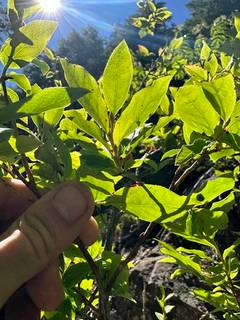
Dark green, simple, oval, alternate, 1-3 inches (2.5-7 cm), glossy; turns red, orange, scarlet, and burgundy in fallGrowing Conditions
Sun Requirements
Requires 6-8 hours of direct sunlight daily
• Full Sun: 6+ hours of direct sunlight
• Partial Shade: 3-6 hours of direct sunlight
• Full Shade: Less than 3 hours of direct sunlight
Care & Maintenance
Care Guide
Full sun (6+ hours for fruit production). Strongly acidic well-drained soil pH 4.5-5.5 — amend with sulfur if above 5.5. Not drought-tolerant — shallow roots require consistent moisture. Cross-pollination required (plant 2+ cultivars). Net against birds. Deer browse. Prune in late winter (February-March). Non-toxic. Zones 3-8.Pruning
Prune in late winter (February-March). Remove oldest canes (5+ years) at the base — fruit production declines on old wood. Keep 6-8 vigorous young canes. Remove weak twigs and crossing branches. Do not prune heavily for the first 3 years — allow the plant to establish.Pruning Schedule
Prune: February–March
winter
Container Growing
Suitable for container growing
Minimum container size: 5 gallons