Image 1 of 19
1 / 19
Plant Reference
Vaccinium, Genus, parvifolium, Species,
- Genus & species
red huckleberry
Pacific Coast of North America — from Alaska south through British Columbia, Washington, Oregon to California; moist coniferous forest understories, often on nurse logs and stumps
Overview
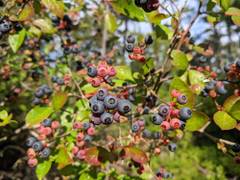
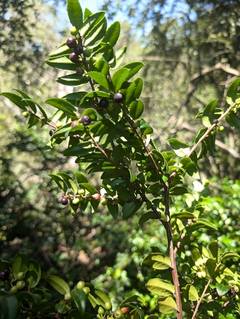
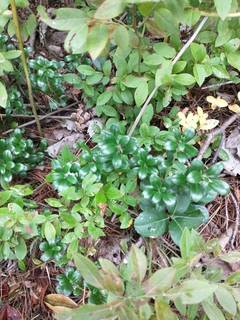
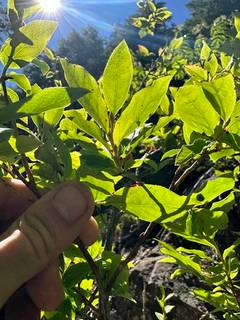
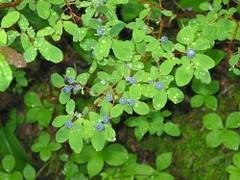
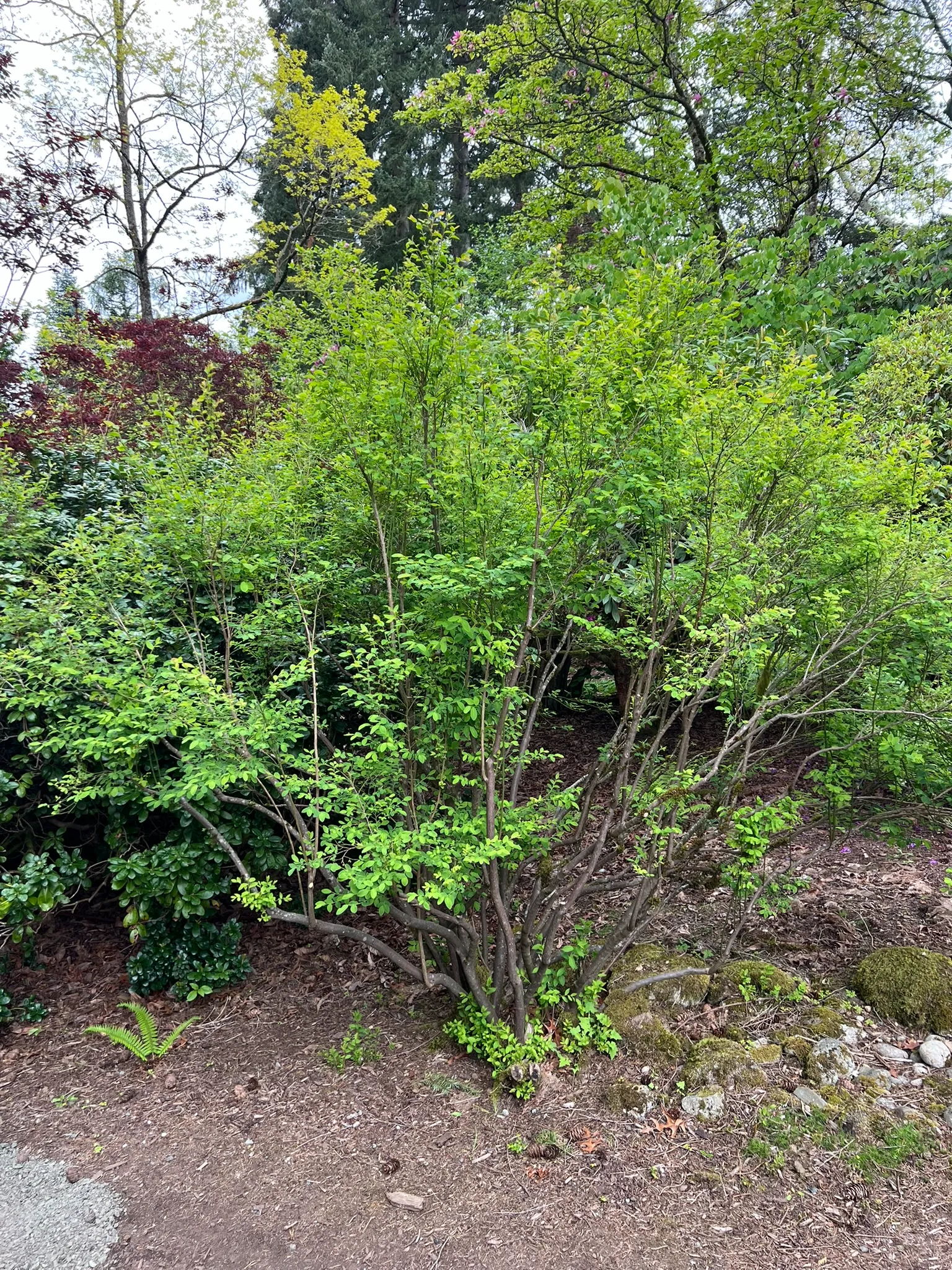
Vaccinium parvifolium is red huckleberry, an upright deciduous shrub growing 3-12 feet (0.9-3.6 m) tall and 3-8 feet (0.9-2.4 m) wide with bright green angular stems. Very small bright green oval alternate leaves 0.5-1 inch (1.3-2.5 cm) — parvifolium = small-leaved. Tiny pink to greenish-pink urn-shaped flowers 0.2 inch (5 mm) solitary in leaf axils in April-May. Translucent bright red berries 0.3 inch (8 mm) ripen July-September — edible with a tart flavor. The bright green angular stems are photosynthetic and remain green year-round after leaves drop. In Ericaceae. Native to the Pacific Coast — Alaska through California in moist coniferous forest understories. Frequently germinates on nurse logs and nurse stumps — the acidic decaying wood supports the mycorrhizal fungi required for establishment. This nurse-log dependency makes garden establishment difficult without acidic humus-rich conditions. Requires strongly acidic soil (pH 4.5-5.5). Not drought-tolerant — requires consistent moisture and shade. The wide size range (3-12 feet / 0.9-3.6 m) depends on light conditions — smaller in deep shade, larger at forest edges. Deer-resistant. Non-toxic. Zones 6-9. Part shade to full shade. Growth rate is slow.
Native Range
Native to the Pacific Coast of North America — from Alaska south through British Columbia, Washington, Oregon to California. Found in moist coniferous forest understories, often on nurse logs and stumps.Suggested Uses
Grown in native plant gardens, woodland understories, and in containers of at least 5 gallons (19 L) with acidic potting mix, spaced 3-8 feet (0.9-2.4 m). Requires acidic humus-rich soil and shade. Edible tart red berries. Native to Pacific Northwest. Non-toxic. Zones 6-9.How to Identify
Appearance
Size & Dimensions
Height3' - 12'
Width/Spread3' - 8'
Bloom Information
Mid to late spring (April-May). Pink to greenish-pink urn-shaped flowers 0.2 inch (5 mm) solitary in leaf axils. Inconspicuous. 2 weeks. Bee-pollinated. Translucent bright red berries ripen July-September.
Detailed Descriptions
Flower Description
Pink to greenish-pink, urn-shaped, tiny, 0.2 inch (5 mm), solitary in leaf axils; inconspicuousFoliage Description
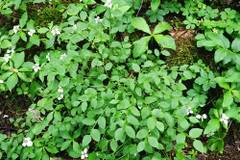
Bright green, very small, oval, alternate, 0.5-1 inch (1.3-2.5 cm); the small leaf size and the bright green angular stems together create a fine airy texture; turns yellow to red in fallGrowing Conditions
Sun Requirements
Requires 2-4 hours of direct sunlight daily
• Full Sun: 6+ hours of direct sunlight
• Partial Shade: 3-6 hours of direct sunlight
• Full Shade: Less than 3 hours of direct sunlight
Care & Maintenance
Care Guide
Part shade to full shade (2-4 hours). Strongly acidic well-drained soil pH 4.5-5.5 — humus-rich conditions. Not drought-tolerant — consistent moisture required. Establish in acidic humus-rich soil mimicking nurse-log conditions. Slow-growing. Prune in late winter (February-March). Deer-resistant. Non-toxic. Zones 6-9.Pruning
Prune in late winter (February-March). Minimal pruning needed — remove dead or crossing stems. The upright open form with bright green angular stems is natural. Slow-growing.Pruning Schedule
Prune: February–March
early spring
Container Growing
Suitable for container growing
Minimum container size: 5 gallons