Rosa, Genus, 'The Generous Gardener', Cultivar,
- Genus
- Cultivar
the generous gardener rose
Overview
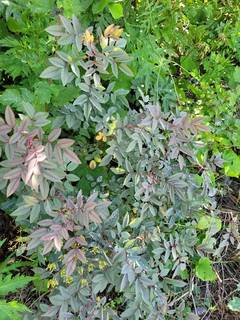
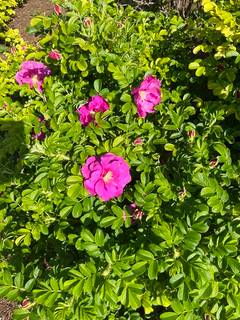
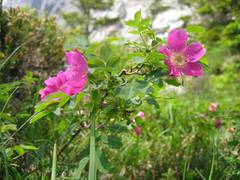
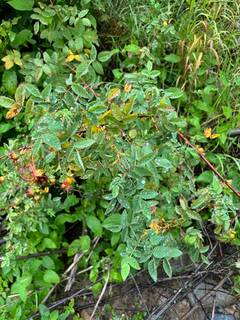
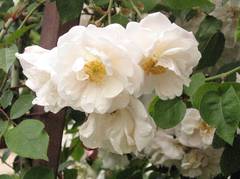
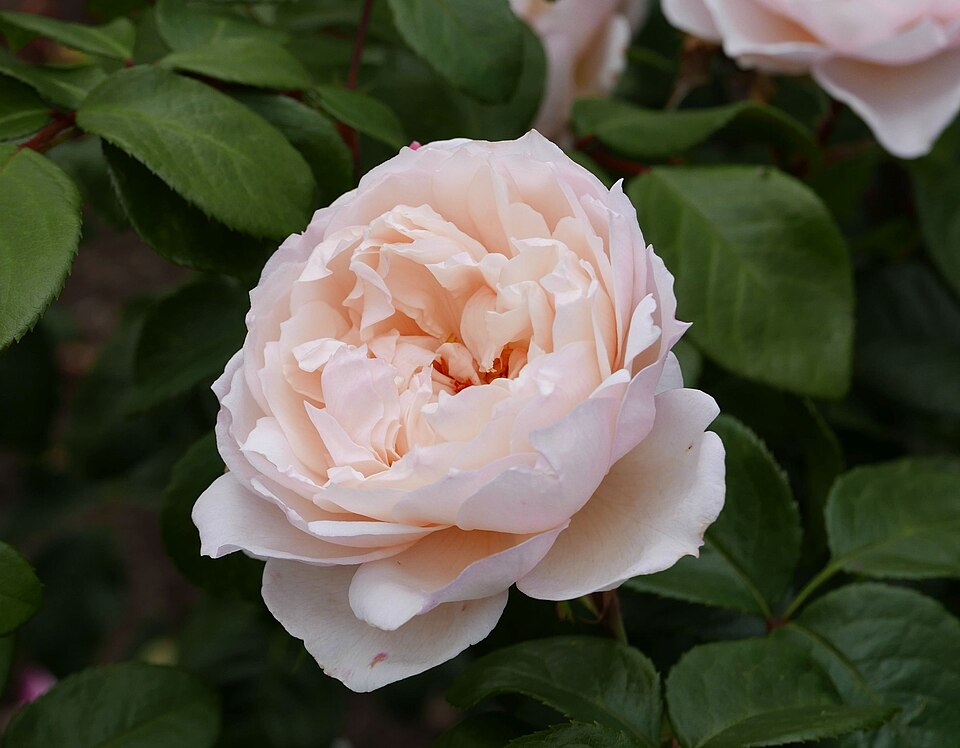
Rosa 'The Generous Gardener' is a vigorous English shrub rose grown either as a 4-5 foot (1.2-1.5 m) tall shrub or trained as a climber reaching 10-15 feet (3-4.5 m) with arching, somewhat lax canes. Compound leaves bear 5-7 ovate leaflets 1.5-3 inches (4-7.5 cm) long, deep green with a glossy surface and a slight bronze tint on emerging growth. Flowers are double cupped, 3.5-4 inches (9-10 cm) across with 55-65 petals, opening soft pale pink with deeper pink centers and exposing golden stamens as outer petals reflex; carried in clusters of 3-7 from late spring through first frost. Strong fragrance combines old rose, musk, and myrrh notes and carries 4-6 feet (1.2-1.8 m) from the plant in still air. Initial bloom flush from late May through June produces 50-80 flowers per mature plant; sporadic rebloom continues through September with reduced volume. Stems carry moderate hooked prickles 3-5 mm long along mature canes. Resistance to black spot is moderate to high; foliage holds well into autumn in zones 5-7. Lifespan in landscape settings runs 15-20 years on a well-drained site. Bloom volume drops 40-50% in part shade; the lax habit requires support to keep blooms upright in windy sites.
Native Range
Rosa 'The Generous Gardener' is a hybrid cultivar (cultivar code AUSdrawn) developed by David Austin Roses in England and introduced commercially in 2002. It has no native range; ancestry traces to old garden rose breeding lines crossed with modern repeat-bloom shrub roses.Suggested Uses
Trained on arches, pillars, low walls, or sturdy obelisks at 6-8 foot (1.8-2.4 m) spacing where the lax flowering canes can cascade downward. Grown as a freestanding shrub at the back of mixed perennial borders, the lax habit benefits from a hooped support or low fence to keep blooms off the ground. Container plantings require pots of at least 15 gallons (57 L) with daily summer watering and tend toward smaller mature size by 2-3 feet (60-90 cm) compared to in-ground plants.How to Identify
Appearance
Size & Dimensions
Height4' - 15'
Width/Spread4' - 6'
Bloom Information
Initial flush blooms from late May through late June in zones 5-7 and from April through May in zones 8-9. Light rebloom continues through September in cooler zones with 4-5 week intervals between secondary flushes. Individual cupped flowers last 5-7 days before petal shatter; entire flush duration runs 4-6 weeks. Bloom volume decreases 40-60% during sustained heat above 90°F (32°C) and the lax habit can drop blooms after heavy summer rainfall.
Detailed Descriptions
Flower Description
soft pale pink with deeper pink center and golden stamensFoliage Description
deep green, glossy with bronze new growthGrowing Conditions
Sun Requirements
Requires 5-12 hours of direct sunlight daily
• Full Sun: 6+ hours of direct sunlight
• Partial Shade: 3-6 hours of direct sunlight
• Full Shade: Less than 3 hours of direct sunlight
Care & Maintenance
Care Guide
Water deeply twice weekly during establishment for the first growing season, applying about 2 inches (5 cm) at the root zone per session. Mature plants tolerate weekly watering in zones 5-7 but require deep watering 2-3 times per week in zones 8-9. Black spot pressure runs low to moderate compared to many English roses; affected leaves yellow and drop, with severe infection reducing canopy by 30-50%. Japanese beetles damage open flowers from late June through July in eastern North America. Fertilizer is applied three times per season: at bud break, after the first bloom flush, and in mid-July, with no further fertilization after August 15 in zones 5-6 to allow canes to harden for winter. A 2-3 inch (5-7.5 cm) layer of organic mulch applied in spring maintains soil moisture and reduces splash transmission of fungal disease.Pruning
Grown as a shrub, canes are cut to 24-30 inches (60-75 cm) above ground in late winter or early spring, leaving 4-6 main canes spaced around the plant. Grown as a climber, main canes are tied horizontally to a support and lateral shoots are shortened to 4-6 buds (about 6-8 inches / 15-20 cm) in late winter. After year 4, one of the oldest canes is removed at ground level each season to renew the framework. Heavy pruning that removes more than one-third of mature wood reduces the following season's bloom by 50-70%.Pruning Schedule
Prune: February–March
winterearly spring
Container Growing
Suitable for container growing
Minimum container size: 15 gallons