Image 1 of 12
1 / 12
Plant Reference
Rosa, Genus, gymnocarpa, Species,
- Genus & species
bald-hip rose
British Columbia south through Washington and Oregon to California; dry to moist conifer-forest understories, forest edges, and open woodlands
Overview
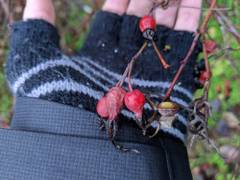
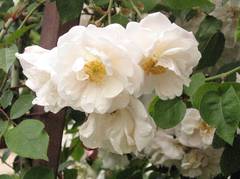
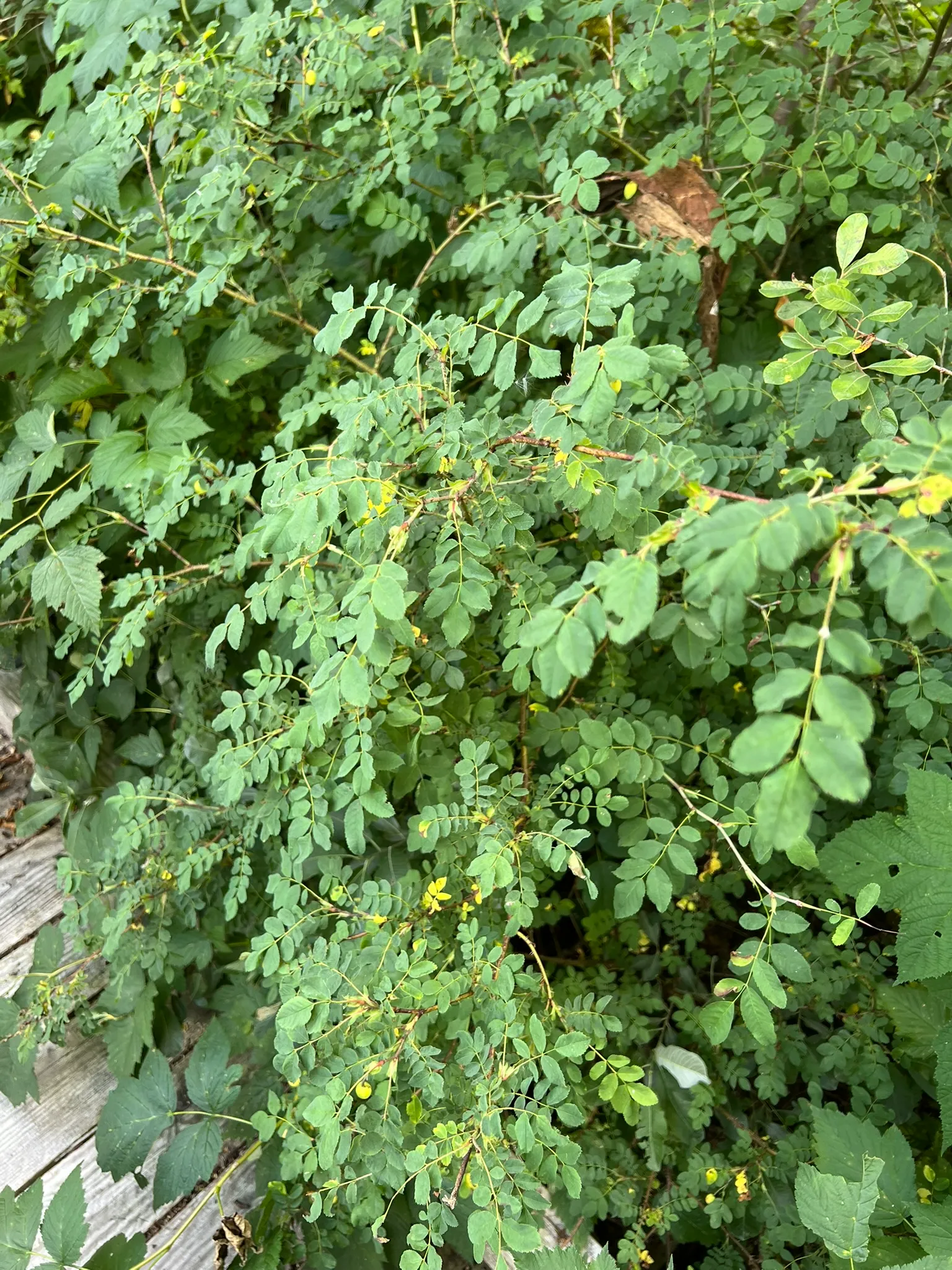
Rosa gymnocarpa is a small deciduous shrub in the family Rosaceae, native to dry to moist conifer-forest understories, forest edges, and open woodlands from British Columbia south through Washington and Oregon to California. It is the smallest native rose of the Pacific Northwest and the only native regional rose consistently found in deeply shaded coniferous forest interiors. The species epithet 'gymnocarpa' means 'naked fruit' and references the identifying character: the sepals drop from the hip before the fruit fully ripens, leaving a smooth bald hip top, a character not shared by any other Pacific Northwest native rose. Plants grow 1-5 feet (0.3-1.5 m) tall with slender stems armed with numerous slender straight needle-like prickles 1-3 mm long. Unlike most other native roses, the species has no stout paired infrastipular spines at the nodes. The pinnately compound leaves carry 5-9 small hairless leaflets 0.5-1.5 inches (1.5-4 cm) long with doubly serrate margins. From May through July, branch tips produce fragrant solitary (rarely paired) pink to pale pink flowers 0.6-1 inch (15-25 mm) across with 5 petals. Hips ripen August-September to small oval to egg-shaped red-orange fruits 0.3-0.5 inch (8-12 mm) long. Non-toxic; hips are edible and vitamin C-rich.
Native Range
Rosa gymnocarpa is native to dry to moist conifer-forest understories, forest edges, and open woodlands from British Columbia south through Washington and Oregon to California.Suggested Uses
Planted as a small woodland-understory shrub in Pacific Northwest shade gardens and native forest plantings at 2-3 foot (0.6-0.9 m) spacing. The species fills the role of the single Pacific Northwest native rose suited to dry conifer-forest interior, where other native roses decline. The fragrant May-July flowers and small red-orange bald hips support wildlife in shaded settings. Educational plantings use the species to demonstrate the deciduous-sepal identifying character within Rosa, alongside R. nutkana and R. pisocarpa for side-by-side identification comparison.How to Identify
Appearance
Size & Dimensions
Height1' - 5'
Width/Spread2' - 4'
Bloom Information
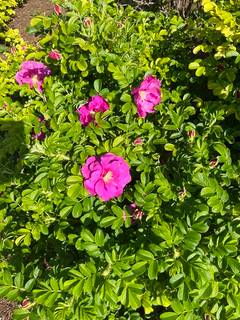
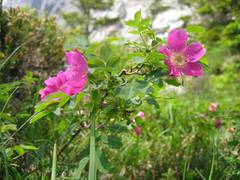
Fragrant solitary or rarely paired pink to pale pink five-petaled flowers 0.6-1 inch (15-25 mm) across, borne May through July in zones 5-9 over 4-6 weeks. Native bees and other pollinators visit the flowers. Small smooth oval red-orange hips 0.3-0.5 inch (8-12 mm) ripen August-September with the sepal-less bald top; hips are consumed by birds and small mammals through fall and winter.
Detailed Descriptions
Flower Description
Pink to pale pink; fragrant solitary five-petaled 0.6-1 inch (15-25 mm); May-July; sepals drop before hips ripen, leaving small oval red-orange bald hips 0.3-0.5 inch August-SeptemberFoliage Description
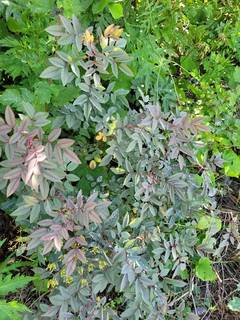
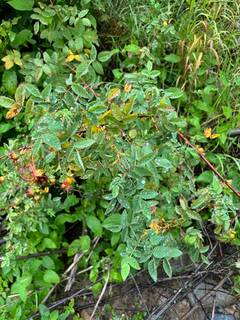
Medium green; pinnately compound with 5-9 small hairless leaflets 0.5-1.5 inches (1.5-4 cm) carrying doubly serrate margins; slender needle-like prickles 1-3 mm on slender stems; no stout paired infrastipular prickles; deciduousGrowing Conditions
Sun Requirements
Tolerates up to 4 hours of direct sunlight daily
• Full Sun: 6+ hours of direct sunlight
• Partial Shade: 3-6 hours of direct sunlight
• Full Shade: Less than 3 hours of direct sunlight
Care & Maintenance
Care Guide
Grows in partial to full shade in well-drained to average, acidic to neutral soil at pH 5.0-7.0. Hardy to USDA zone 5. The species is the only Pacific Northwest native rose that tolerates deep coniferous-forest shade and is suited to dry to moist forest-understory plantings. Drought tolerance in shade is greater than that of other regional native roses. Root sprouts spread the clump slowly over several seasons. No fertilizer is applied.Pruning
Oldest canes are removed to the base every few years in late winter to maintain vigor. Root sprouts are removed to manage lateral spread. Slender needle-like prickles on the stems support use of gloves during handling.Pruning Schedule
Prune: February–March
early spring