Image 1 of 28
1 / 28
Plant Reference
Rosa, Genus, (Floribunda, Species, Group), Subspecies,
- Genus & species
- Subspecies
floribunda roses
Complex hybrid origin — developed in Europe and North America by crossing hybrid teas with polyantha roses in the early 20th century
Overview
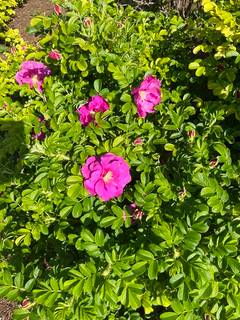
Rosa (Floribunda Group) includes floribunda roses (cluster-flowered roses), compact mounding deciduous shrubs growing 2-4 feet (0.6-1.2 m) tall and 2-3 feet (0.6-0.9 m) wide. Flowers 2-3 inches (5-7 cm) in white, pink, red, yellow, orange, apricot, lavender, or bicolor — single, semi-double, or double — borne in clusters (sprays) of 3-15 per stem. Repeat-blooming from May through October (20 weeks). Moderately fragrant (cultivar-dependent). Glossy dark green pinnately compound leaves with 5-7 serrated leaflets. In Rosaceae. Developed by crossing hybrid teas with polyantha roses in the early 20th century. The cluster habit (multiple flowers per stem) distinguishes floribundas from hybrid teas (one flower per stem). Black spot (Diplocarpon rosae), powdery mildew, and Japanese beetles are the primary pest and disease concerns — this disease susceptibility and the resulting need for regular monitoring or spraying is the primary maintenance limitation. Disease-resistant cultivars reduce spray requirements: 'Iceberg' (white), 'Julia Child' (butter-yellow), 'Sexy Rexy' (pink). Not drought-tolerant — requires 1 inch (2.5 cm) of water per week. Winter protection (mounding mulch over the graft union) needed in zones 5-6. Deer browse. Non-toxic. Zones 5-9. Full sun. Growth rate is moderate.
Native Range
Complex hybrid origin — developed in Europe and North America by crossing hybrid teas with polyantha roses in the early 20th century.Suggested Uses
Grown in rose beds, borders, mass plantings, and in containers of at least 10 gallons (38 L), spaced 2-3 feet (0.6-0.9 m). Continuous cluster bloom May-October. Disease-resistant cultivars reduce spray needs. High maintenance. Non-toxic. Zones 5-9.How to Identify
Appearance
Size & Dimensions
Height2' - 4'
Width/Spread2' - 3'
Bloom Information
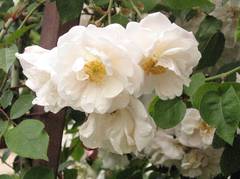
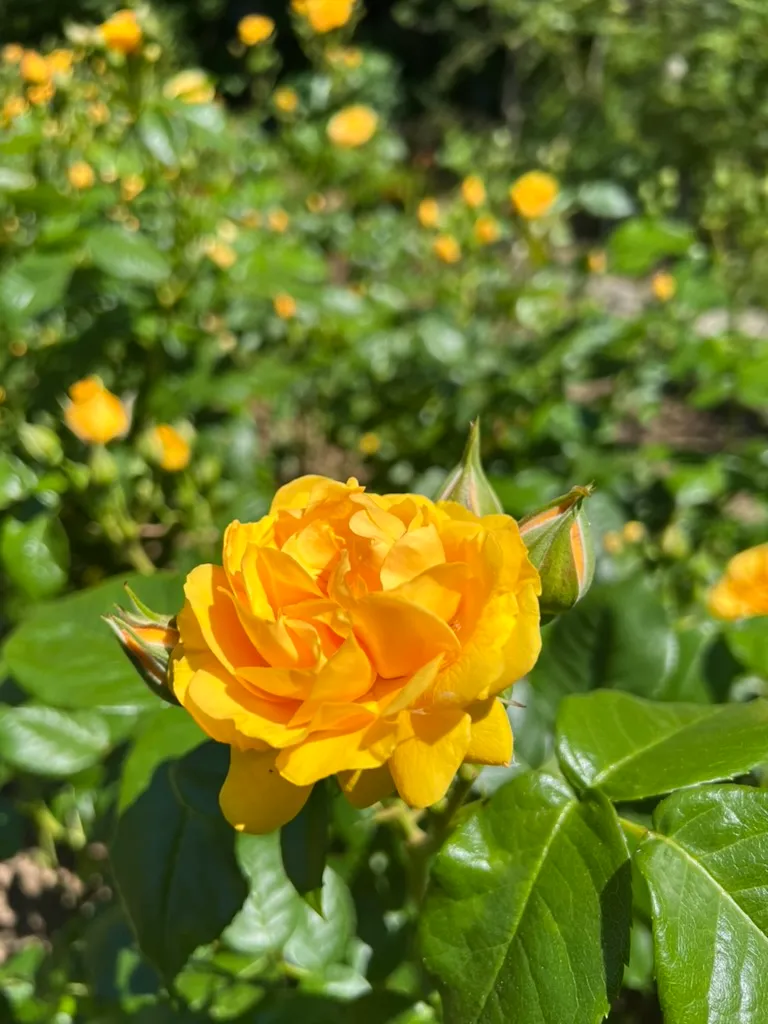
Late spring through fall (May-October). Flowers 2-3 inches (5-7 cm) in clusters of 3-15 per stem. White, pink, red, yellow, orange, lavender, or bicolor. Single, semi-double, or double. Moderately fragrant (cultivar-dependent). 20 weeks of repeat bloom. Deadhead spent clusters for continuous flowering. Bee- and butterfly-visited.
Detailed Descriptions
Flower Description
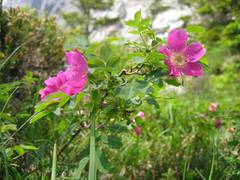
Variable by cultivar — white, pink, red, yellow, orange, apricot, lavender, and bicolor; 2-3 inches (5-7 cm) across; single, semi-double, or double; borne in clusters (sprays) of 3-15 flowers per stemFoliage Description
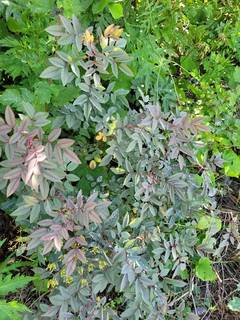
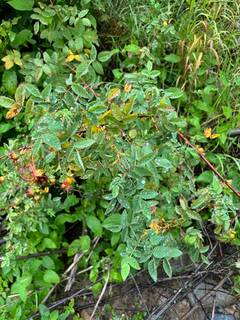
Glossy dark green, pinnately compound with 5-7 serrated leaflets each 1-2 inches (2.5-5 cm)Growing Conditions
Sun Requirements
Requires 6-12 hours of direct sunlight daily
• Full Sun: 6+ hours of direct sunlight
• Partial Shade: 3-6 hours of direct sunlight
• Full Shade: Less than 3 hours of direct sunlight
Care & Maintenance
Care Guide
Full sun (6+ hours). Well-drained soil pH 6.0-7.0. Not drought-tolerant — 1 inch (2.5 cm) water per week. Black spot and powdery mildew — choose disease-resistant cultivars. Japanese beetles in zones 5-7. Deadhead spent clusters. Winter protection (mulch over graft union) in zones 5-6. Prune in late winter (February-March). High maintenance. Deer browse. Non-toxic. Zones 5-9.Pruning
Prune in late winter (February-March) before new growth. Remove dead, damaged, and thin (pencil-diameter or smaller) canes. Shorten remaining canes to 12-18 inches (30-45 cm). Cut to an outward-facing bud. Open the center for air circulation (reduces disease). Remove suckers from below the graft union.Pruning Schedule
Prune: February–March
early spring
Container Growing
Suitable for container growing
Minimum container size: 10 gallons