Rosa, Genus, arvensis, Species,
- Genus & species
field rose
Western, central, and southern Europe
Overview
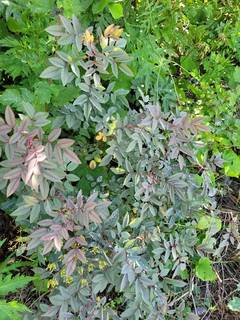
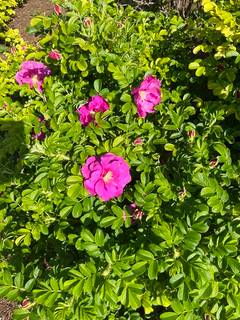
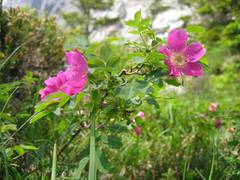
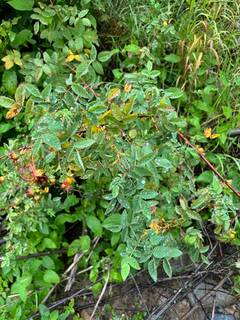
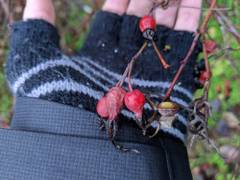
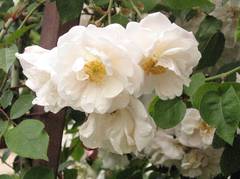
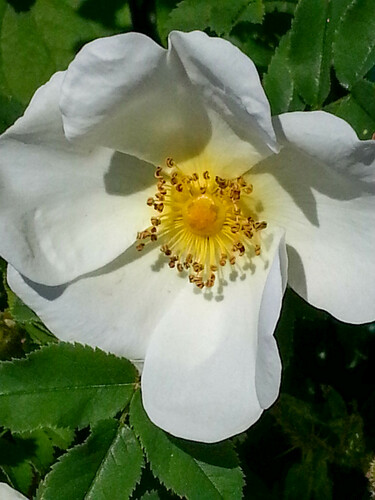
Rosa arvensis, the field rose, is a deciduous, trailing to scrambling shrub in the rose family, with slender, often purplish stems that arch and clamber 3-7 feet (1-2 m) high through hedges and over the ground. The stems carry scattered, curved thorns and pinnate leaves of five to seven oval, toothed leaflets, dull green above and paler below. In summer it bears single white flowers 1-2 inches (3-5 cm) across, each with five notched petals and a central cluster of yellow stamens, set apart by a column of fused styles standing above the petals. The flowers are lightly scented and open in loose clusters. Round to oval red hips about 0.6 inch (15 mm) follow in autumn and persist into winter. The plant spreads by arching stems that root where they touch soil, forming dense thickets. It grows in hedgerows, wood margins, scrub, and shady banks on a range of soils. Native to western, central, and southern Europe, it tolerates more shade than most wild roses and is used in native hedging and wildlife planting.
Native Range
Native to western, central, and southern Europe, from Britain and France to the Balkans and Italy. It grows in hedgerows, woodland edges, scrub, clearings, and shady banks, on clay, loam, and chalk soils.Suggested Uses
Used in native and wildlife hedging, woodland-edge planting, and informal screens where its scrambling stems can ramble. The flowers support pollinators and the hips feed birds, suiting it to conservation and naturalistic plantings.How to Identify
Appearance
Size & Dimensions
Height3' - 7'
Width/Spread6' - 10'
Bloom Information
Flowers in early to midsummer, mainly June to July, with lightly fragrant white blooms borne in loose clusters. The flowers are visited by bees and hoverflies for pollen. Red hips develop through late summer and autumn and feed birds into winter.
Detailed Descriptions
Foliage Description
dull greenGrowing Conditions
Sun Requirements
Requires 3-8 hours of direct sunlight daily
• Full Sun: 6+ hours of direct sunlight
• Partial Shade: 3-6 hours of direct sunlight
• Full Shade: Less than 3 hours of direct sunlight
Care & Maintenance
Care Guide
Grows in full sun to part shade and tolerates more shade than most roses, succeeding in hedgerows and at wood margins. It accepts a wide range of soils, including heavy clay and chalk, provided they are not waterlogged. Once established it needs little care and withstands hard cutting as part of hedge management. The arching stems root where they touch the ground, so it can spread into thickets if left unmanaged. It carries less black spot and mildew than many garden roses.Pruning
Tolerates cutting back hard in winter as part of hedgerow laying or coppicing. In gardens, overlong arching stems can be shortened after flowering or in late winter to contain spread. Removing rooted stem tips limits its tendency to form thickets.Pruning Schedule
Prune: February & July
wintersummer