Rosa, Genus, 'Lykkefund', Cultivar,
- Genus
- Cultivar
Lykkefund rose
Garden hybrid origin (Aksel Olsen, Denmark 1930; R. helenae parentage for cold hardiness; Lykkefund = 'lucky find' in Danish; zone 4 cold hardiness extends into colder climate zones than most ramblers accommodate; nearly thornless canes; very vigorous 15- to 20-foot rambler)
Overview
Rosa 'Lykkefund' is a deciduous climbing to rambling rose in the rose family (Rosaceae) reaching 15–20 feet (4.5–6 m) tall with a spread of 8–10 feet (2.4–3 m), carrying a very vigorous rambling habit on long flexible nearly-thornless canes. The cultivar was bred by Aksel Olsen in Denmark in 1930 and produces enormous flower sprays of small semi-double flowers 1.5–2 inches (4–5 cm) wide in creamy-white to pale yellow tones with prominent golden stamens across a single heavy flowering flush during June and July. The glossy light to medium green foliage carries above-average disease resistance across the cultural profile. Growth rate runs very fast. Hardy to zone 4 — zone 4 cold hardiness extends the cultivar into colder climate zones than most rambling rose cultivars accommodate, with the cold tolerance tracing to the R. helenae parentage carried across the breeding line. Named 'Lykkefund' — the Danish phrase translates to 'lucky find' in English. Strong sweet fragrance carries across the flower display. The combination of extreme cold hardiness with rambling vigor and nearly thornless cane structure runs atypical across the rambler rose class.
Native Range
Rosa 'Lykkefund' is a hybrid of garden origin, bred by Aksel Olsen in Denmark in 1930. The cultivar carries R. helenae parentage that contributes cold-hardiness character to the breeding line.Suggested Uses
Trained on walls, sturdy pergolas, or scrambled through large trees as a vertical planting at one plant per 15- to 20-foot section. Zone 4 cold hardiness extends the cultivar into cold-winter regions where most rambler roses cannot overwinter. Nearly thornless cane structure suits plantings near paths, arches, or tree-scrambling positions where thorny ramblers pose handling risk. Creamy-white to pale yellow flower color with strong sweet fragrance carries the ornamental value across the single once-blooming flush. Small structures below 10 feet are unsuitable given the 15- to 20-foot mature cane length. Plantings where continuous bloom across the growing season is the design goal are also unsuitable because the cultivar runs once-blooming.How to Identify
Appearance
Size & Dimensions
Height15' - 20'
Width/Spread8' - 10'
Bloom Information
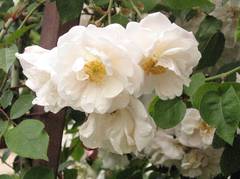
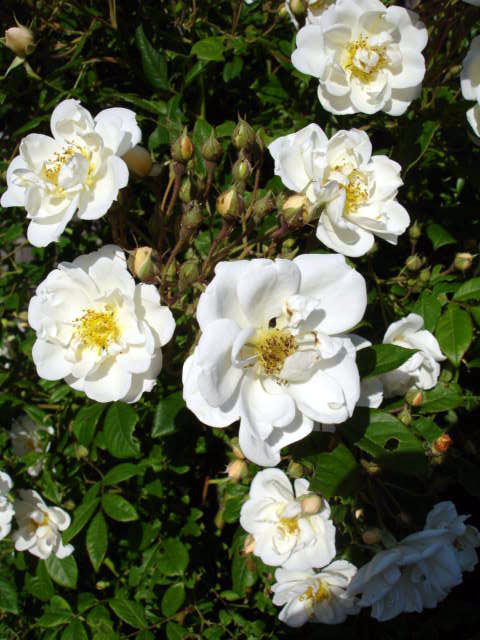
Enormous flower sprays of small semi-double flowers 1.5–2 inches (4–5 cm) wide open in creamy-white to pale yellow tones with prominent golden stamens across the June to July bloom window. Flowering runs as a single once-blooming flush with no repeat across the growing season. Bloom duration runs across a 3- to 4-week flowering window. Strong sweet fragrance carries across the flower display.
Detailed Descriptions
Flower Description
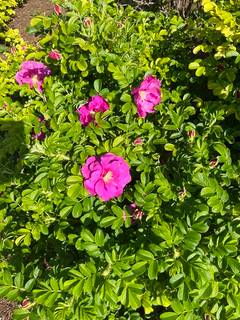
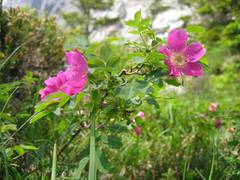
Creamy-white to pale yellow semi-double flowers 1.5-2 inches across with prominent golden stamens in enormous flower sprays during June to July; once-blooming with strong sweet fragranceFoliage Description
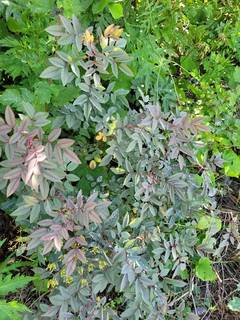
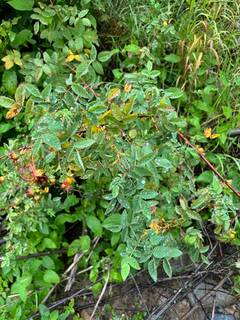
Glossy light to medium green deciduous leaves carrying above-average disease resistance across the cultivar profileGrowing Conditions
Sun Requirements
Requires 6-10 hours of direct sunlight daily
• Full Sun: 6+ hours of direct sunlight
• Partial Shade: 3-6 hours of direct sunlight
• Full Shade: Less than 3 hours of direct sunlight
Care & Maintenance
Care Guide
Grows in full sun against wall, pergola, or large-tree support structures. Well-drained soil at pH 6.0–7.0 across loam and clay substrates suits the cultural profile. Hardy to zone 4 — zone 4 cold hardiness extends the cultivar into colder climate zones than most rambling rose cultivars accommodate. Growth rate runs very vigorous, which means the cultivar requires sturdy support structure and substantial planting space. Nearly thornless cane structure makes training and maintenance handling low-risk compared with thorny ramblers. Once-blooming character means pruning runs after flowering rather than during the dormant season. Disease resistance runs above average across the cultural profile.Pruning
Pruning runs after the flowering flush ends in mid to late summer because once-blooming ramblers set flower buds on the previous year's wood — pruning during the dormant late-winter or early-spring window removes the developing flower buds and reduces the following year bloom. Annual removal of the oldest canes at the base every 3 to 4 years maintains stem turnover across the maturing plant. New growth is tied into the support structure across late summer into autumn. Nearly thornless cane structure runs low-risk for maintenance handling.Pruning Schedule
Prune: July–August
summer