Rosa, Genus, 'Don Juan', Cultivar,
- Genus
- Cultivar
don juan rose
horticultural cultivar (Italy, 1958)
Overview
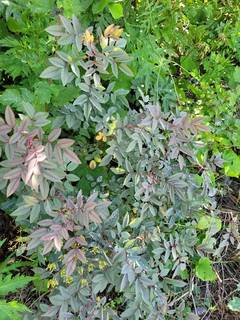
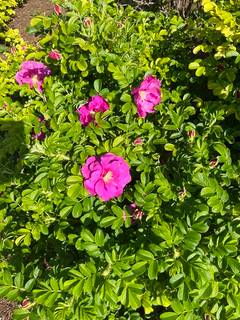
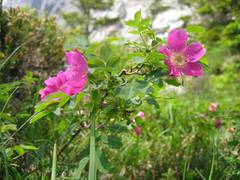
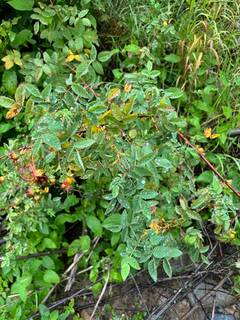
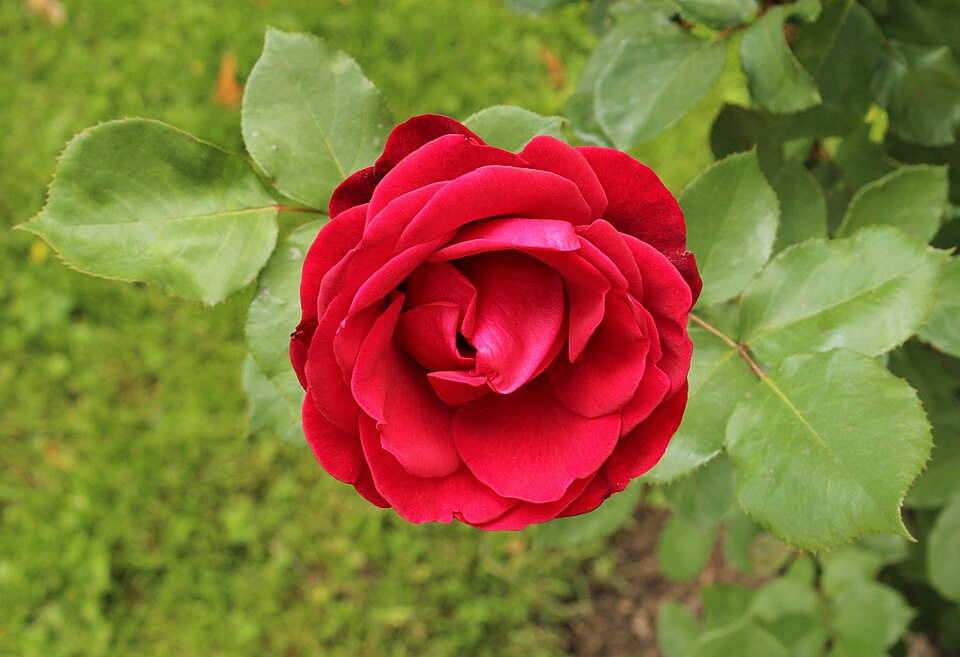
Rosa 'Don Juan' is a climbing hybrid tea rose introduced in Italy in 1958, forming an upright arching habit 8-12 feet (2.4-3.7 m) tall and 4-6 feet (1.2-1.8 m) wide. Canes are mid-thick, green to red-tinted, with prickles 0.2-0.4 inch (5-10 mm) long along the stem. Leaves alternate, pinnately compound with 5-7 leaflets each 1-2.5 inches (2.5-6 cm) long, glossy dark green with a leathery texture. Flowers are full double hybrid-tea form, 4-5 inches (10-13 cm) wide, opening dark velvety crimson-red and holding color through bloom life with minimal fading; flowers are held singly or in clusters of 2-3 along lateral shoots. Bloom is repeat-flowering: a heavy first flush from late May through June, recurrent flushes through summer, and a second peak from late August through first frost. Fragrance is strong damask-rose, detectable 5-10 feet (1.5-3 m) downwind of the bloom. Foliage is moderately susceptible to blackspot in humid summers, particularly in zones 7-9. Mature size is reached within 3-4 growing seasons.
Native Range
Rosa 'Don Juan' is a horticultural cultivar bred by Michele Malandrone and introduced in Italy in 1958, derived from Rosa 'New Dawn' crossed with Rosa 'New Yorker'. The cultivar has no wild native range; modern climbing hybrid teas trace their lineage to R. chinensis and R. wichurana crosses with hybrid teas.Suggested Uses
Used as a climber on pillars, fences, arbors, and pergolas, spaced 6-8 feet (1.8-2.4 m) apart. Sites with 6-8 hours of direct sun produce the strongest bloom and reduce disease pressure. Container culture works in pots of at least 15 gallons (57 L) with regular feeding and pruning.How to Identify
Appearance
Size & Dimensions
Height8' - 12'
Width/Spread4' - 6'
Bloom Information
First flush of bloom occurs from late May through June in zones 6-9, with a 5-week peak. Recurrent bloom flushes appear through July and August on lateral shoots, with each flush lasting 2-3 weeks. A second heavier peak occurs from late August through first frost. Hot summer temperatures above 95°F (35°C) reduce bloom size and shorten flush duration.
Detailed Descriptions
Foliage Description
glossy dark green; yellow in fallGrowing Conditions
Sun Requirements
Requires 6-10 hours of direct sunlight daily
• Full Sun: 6+ hours of direct sunlight
• Partial Shade: 3-6 hours of direct sunlight
• Full Shade: Less than 3 hours of direct sunlight
Care & Maintenance
Care Guide
Water demand is moderate to high; 1-1.5 inches (2.5-4 cm) of water per week supports establishment, and a 12-24 inch (30-60 cm) deep root system develops within 2 years. A 2-3 inch (5-8 cm) layer of organic mulch over the root zone moderates soil temperature and reduces moisture loss. Blackspot, powdery mildew, and rust develop in humid summers and on plants in poor air circulation; sulfur or copper sprays from leaf-out through July reduce defoliation in zones 7-9. Aphids appear on new growth in spring; lacewing and ladybug predators reduce populations within 2-3 weeks where broad-spectrum pesticides are absent. Plants live 20-40 years in zones 6-9 with annual pruning and disease management.Pruning
Spent flowers are removed at the first 5-leaflet leaf during repeat bloom to encourage subsequent flushes. Major structural pruning is done in late winter (February-March in zones 6-7), reducing canes to 4-6 strong primary shoots and shortening laterals to 4-6 buds. Old canes over 4 years old are cut to the base to renew vigor. Horizontal training of primary canes on supports produces more flower-bearing laterals than strictly vertical canes.Pruning Schedule
Prune: February–March
winterearly spring
Container Growing
Suitable for container growing
Minimum container size: 15 gallons