Rosa, Genus, 'Felicia', Cultivar,
- Genus
- Cultivar
felicia rose
Hybrid of garden origin; bred by Reverend Joseph Pemberton in England, 1928, as part of the Hybrid Musk class that Pemberton developed in the early 20th century; the salmon-pink-with-apricot color runs warmer than most other pink-flowered Hybrid Musks
Overview
Rosa 'Felicia' is a deciduous shrub rose reaching 4-6 feet (1.2-1.8 m) tall with a spread of 4-6 feet (1.2-1.8 m) and a graceful, arching, mounding habit with flexible canes. A Hybrid Musk rose bred by Reverend Joseph Pemberton in 1928, the cultivar carries clusters of semi-double to double flowers 2.5-3 inches (6-8 cm) wide in soft salmon-pink with apricot tones at the base of each petal. The warm salmon-apricot color separates this cultivar from cooler-toned pink Hybrid Musks such as 'Ballerina', and the semi-double to double petal count sits between the single flowers of 'Ballerina' and the fully double flowers of modern shrub roses. Flowers repeat from June through frost, a 4-5 month bloom window that pairs the cultivar with other repeat-blooming roses rather than with the once-blooming heritage class. Strong musk fragrance. Growth rate is moderate. Hardy to USDA zone 6. Glossy dark green foliage with bronze-tinged new growth carries above-average disease resistance. Bred by Pemberton as part of his Hybrid Musk breeding program — the class Pemberton developed in the early 20th century and for which 'Felicia' remains in wide cultivation nearly a century later. Tolerates more shade than most rose cultivars — a trait typical of the Hybrid Musk class.
Native Range
Rosa 'Felicia' is a hybrid of garden origin, bred by Reverend Joseph Pemberton in England in 1928, as part of his Hybrid Musk breeding series.Suggested Uses
Used in mixed borders, as a specimen shrub, or in cottage-garden plantings in zones 6-9 at 4-5 foot (1.2-1.5 m) spacing. The partial-shade tolerance (down to 4 hours of direct sun) extends the planting range into positions that rule out most rose cultivars, such as north-facing borders or sites with tall-tree shade during part of the day. The 4-5 month repeat bloom pairs with late-season perennials for continuous color from June through frost. Strong musk fragrance and graceful arching habit suit positions near seating areas, paths, or walkways where the scent and form are experienced close up. The arching habit requires space; not suited to tight formal borders or small spaces where the flexible canes cannot extend naturally.How to Identify
Appearance
Size & Dimensions
Height4' - 6'
Width/Spread4' - 6'
Bloom Information
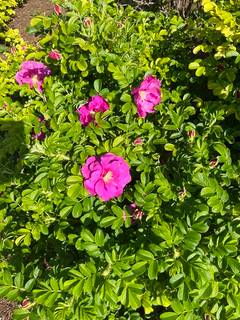
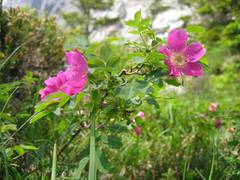
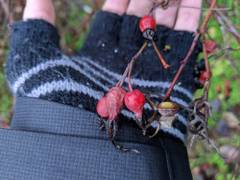
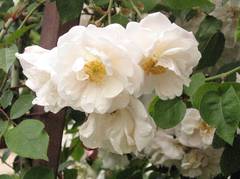
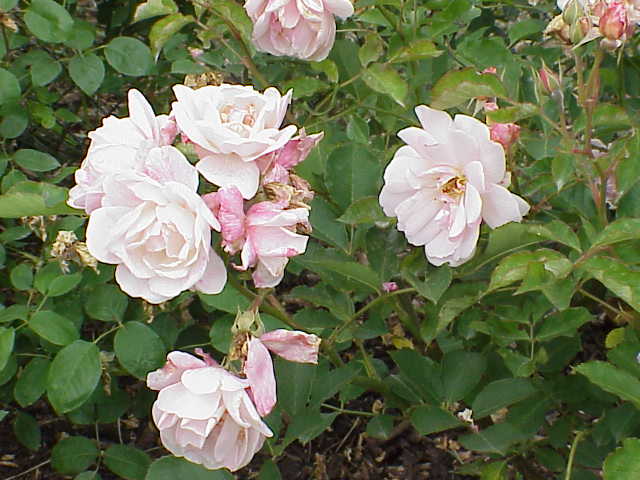
Clusters of semi-double to double soft salmon-pink flowers 2.5-3 inches (6-8 cm) wide with apricot tones at the base of each petal, June through frost. Repeat-blooming across 4-5 months in most zones. Strong musk fragrance. Small orange-red hips form in autumn where final flowers are left in place.
Detailed Descriptions
Flower Description
Soft salmon-pink with apricot tones at the base of each petal; semi-double to double flowers 2.5-3 inches (6-8 cm) wide carried in clusters; strong musk fragrance; June through frostFoliage Description
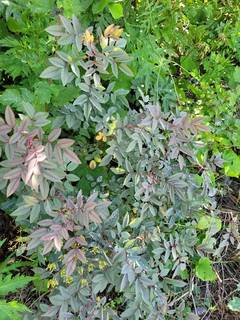
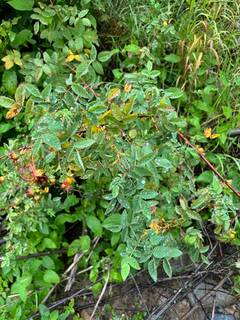
Glossy dark green pinnately compound leaves with bronze-tinged new growth; above-average disease resistance in most climates; deciduousGrowing Conditions
Sun Requirements
Requires 4-10 hours of direct sunlight daily
• Full Sun: 6+ hours of direct sunlight
• Partial Shade: 3-6 hours of direct sunlight
• Full Shade: Less than 3 hours of direct sunlight
Care & Maintenance
Care Guide
Grows in full sun to partial shade in well-drained, fertile soil at pH 6.0-7.0. Hardy to USDA zone 6. Tolerates more shade than most rose cultivars — a Hybrid Musk trait that widens the planting range into positions where other roses fail. Above-average resistance to blackspot and mildew reduces foliar-disease management. The 4-6 foot (1.2-1.8 m) arching habit requires space to hold its graceful form without crowding; allow 4-5 feet (1.2-1.5 m) of clearance from neighboring shrubs so the flexible canes can extend naturally. Feed regularly at 4-6 week intervals through the growing season to support the repeat-bloom cycle.Pruning
Prune in late winter to early spring. Preserve the arching form rather than cutting the plant back hard — reduce overall height by roughly one-third and shape selectively. Remove the oldest canes at the base every 2-3 years to bring new growth forward. Deadhead through the season to maintain the repeat-bloom cycle, stopping in early autumn to allow hips to develop.Pruning Schedule
Prune: February–March
early spring