Taxus, Genus, canadensis, Species,
- Genus & species
canada yew
Overview
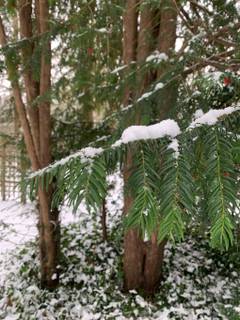
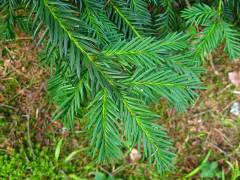
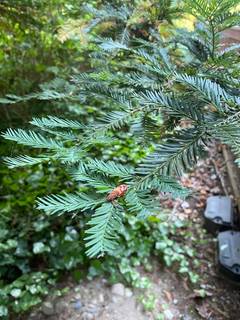
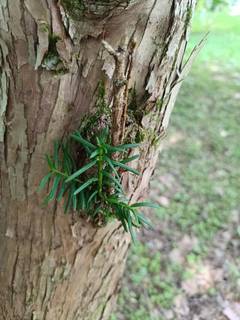
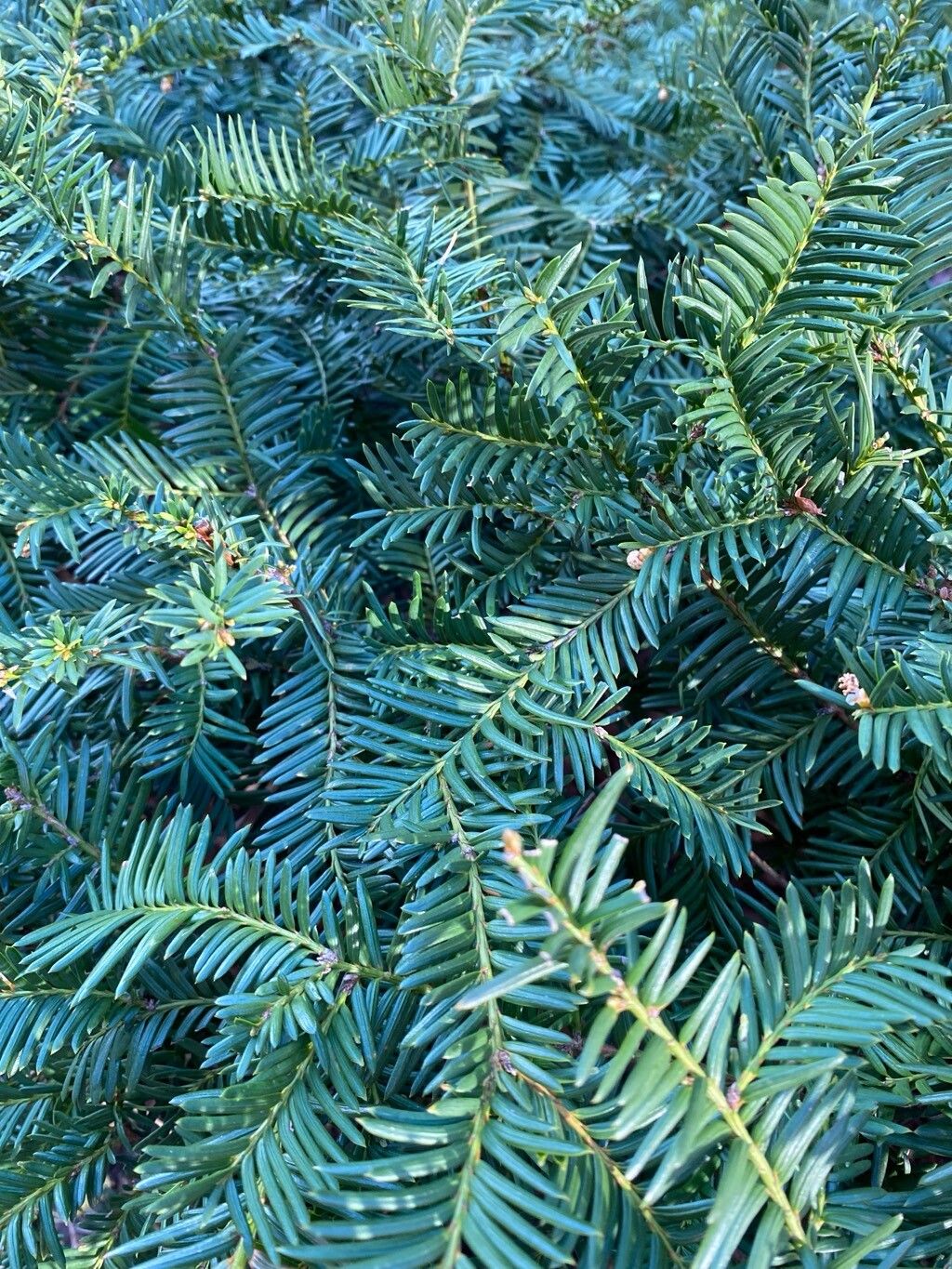
Taxus canadensis is a low, spreading evergreen conifer reaching 3-6 feet (0.9-1.8 m) tall and 6-8 feet (1.8-2.4 m) wide, with sprawling branches that root where they touch the ground. The form is open and often decumbent rather than upright. Needles are flat, 0.5-1 inch (1.3-2.5 cm) long, dark green above and pale green beneath, arranged in two ranks along the twigs, and may turn reddish-brown in winter sun. Plants are usually dioecious; small, cone-like male structures release pollen in spring, while female plants bear single seeds partly enclosed by a red, fleshy, cup-shaped aril 0.25-0.4 inch (6-10 mm) wide that ripens in late summer. Growth is slow, about 3-6 inches (8-15 cm) per year. All parts except the red aril flesh contain taxine alkaloids that are toxic to people and animals if eaten. Foliage browns in exposed winter sites with wind and full sun, and the species declines in hot summer climates and in poorly drained soil.
Native Range
Native to northeastern North America from Newfoundland and Manitoba south to the northern United States and along the Appalachians to Tennessee. Grows in the shaded understory of cool, moist forests, on rocky slopes, ravine banks, and bog margins on acidic to neutral soils.Suggested Uses
Planted as a shade-tolerant groundcover or low massing under trees and on north-facing slopes, spaced 4-6 feet (1.2-1.8 m) apart. Used for naturalizing in woodland gardens on cool, moist sites. Heavy deer browsing and the toxicity of the foliage limit its use in some landscapes.How to Identify
Appearance
Size & Dimensions
Height3' - 6'
Width/Spread6' - 8'
Bloom Information
Pollen is shed from small male cones in April and May before and during new growth. Female plants carry green seed structures at the same time that develop into red arils by August and September. Wind carries the pollen; no petalled flowers are produced.
Detailed Descriptions
Foliage Description
Dark green, sometimes reddish-brown in winterGrowing Conditions
Sun Requirements
Tolerates up to 4 hours of direct sunlight daily
• Full Sun: 6+ hours of direct sunlight
• Partial Shade: 3-6 hours of direct sunlight
• Full Shade: Less than 3 hours of direct sunlight
Care & Maintenance
Care Guide
Grow in part to full shade in moist, well-drained, acidic to neutral soil with a steady supply of moisture. Water during dry spells, since the shallow roots dry out in drought. The species browns and thins in sites open to winter wind and sun, and grows poorly in hot summer regions south of its native range. Wet, poorly drained soil leads to root rot. Deer browse the foliage heavily in winter. All parts except the aril flesh contain taxine alkaloids toxic to people, dogs, and livestock if eaten.Pruning
Prune in early spring before new growth to shorten or shape stems; the plant tolerates cutting into older wood and resprouts from bare branches. Cut out winter-burned shoots once new growth shows their extent. Sprawling stems can be cut back to keep the plant within bounds.Pruning Schedule
Prune: March–April
early spring