Image 1 of 19
1 / 19
Plant Reference
Taxus, Genus, cuspidata, Species,
- Genus & species
Japanese yew
Japan, Korea, northeastern China (Manchuria), Russian Far East; sea level to 5,900 feet (1,800 m)
Overview
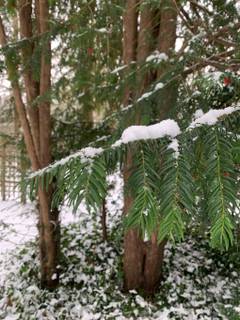
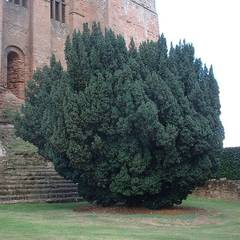
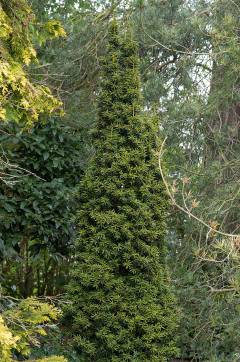
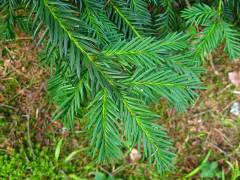
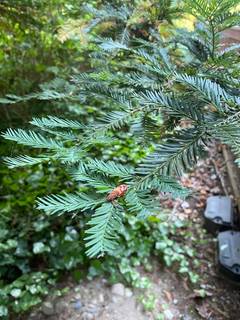
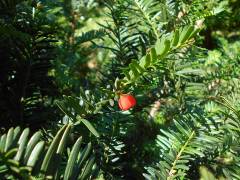
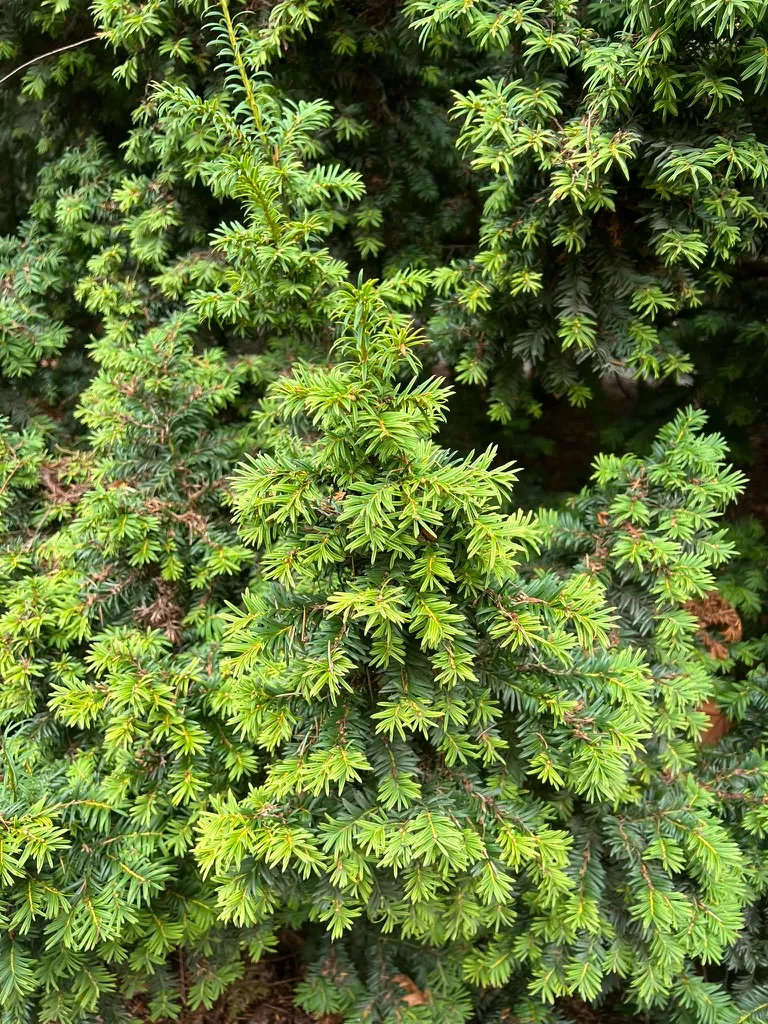
Taxus cuspidata is a slow-growing long-lived coniferous evergreen native to Japan, Korea, Manchuria, and the Russian Far East, cultivated for cold hardiness and adaptability. Plants vary considerably in habit based on cultivar selection; the species form is a large spreading shrub to small tree reaching 10-25 feet (3-7.6 m) tall and 10-25 feet (3-7.6 m) wide over many decades at a growth rate of 6-12 inches (15-30 cm) per year. The crown becomes wide-spreading and irregular with age. Needles are flat, 0.5-1 inch (12-25 mm), abruptly pointed at the tip (cuspidate), dark green above with two white (not yellowish-green) stomatal bands below, arranged in two flat ranks. The white stomatal band color is the key trait separating T. cuspidata from T. baccata. Bark is reddish-brown, thin, scaly, and exfoliates in small plates. Female plants produce seeds in red fleshy arils ripening in August-October. All parts except the red aril flesh are highly toxic to humans, pets, and livestock. Cold hardiness exceeds that of T. baccata — established plants survive to -30°F (-34°C) or lower, making the species the primary choice in yew cultivation for the colder regions where T. baccata fails.
Native Range
T. cuspidata is native to Japan, Korea, northeastern China (Manchuria), and the Russian Far East, at elevations from near sea level to 5,900 feet (1,800 m) in mixed and coniferous forests.Suggested Uses
Grown as a specimen shrub, formal hedge, foundation planting, or screen in residential landscapes, spaced 6-10 feet (1.8-3 m) from adjacent plants. Cold hardiness beyond that of T. baccata suits colder regions where English yew fails, including Pacific Northwest sites east of the Cascades. Shade tolerance allows use where few other conifers succeed. Sites where livestock, horses, or unsupervised pets can reach the foliage are not suitable — all parts except the red aril flesh are toxic. Hardy in zones 4-8.How to Identify
Appearance
Size & Dimensions
Height10' - 25'
Width/Spread10' - 25'
Colors
Bloom Information
Plants are dioecious. Male plants produce small globose yellow pollen cones in clusters on the undersides of shoots in February-March. Female plants produce seeds enclosed in bright red fleshy arils 0.3-0.4 inch (8-10 mm), ripening in August-October. The red aril flesh is edible; all other parts including the seed inside the aril are highly toxic.
Detailed Descriptions
Flower Description
yellow male pollen cones on male plants in February-March; bright red fleshy arils on female plants in August-OctoberFoliage Description
dark green above with two white stomatal bands below; flat needles 0.5-1 inch (12-25 mm), abruptly pointed at the tip (cuspidate), arranged in two flat ranks; the white stomatal band color separates T. cuspidata from T. baccata (yellowish-green bands)Growing Conditions
Sun Requirements
Requires 2-12 hours of direct sunlight daily
• Full Sun: 6+ hours of direct sunlight
• Partial Shade: 3-6 hours of direct sunlight
• Full Shade: Less than 3 hours of direct sunlight
Care & Maintenance
Care Guide
Site in full sun to deep shade (2-12 hours direct sun) in well-drained soil with a pH of 5.5-7.5; a wide range of soil types is tolerated, including clay and slightly alkaline substrates. Waterlogged sites are not suitable — good drainage is required. Water weekly during the first two growing seasons; established plants tolerate moderate drought. Cold hardiness exceeds that of T. baccata, surviving to -30°F (-34°C). Shearing and pruning are well tolerated. All parts except the red aril flesh are highly toxic to humans, pets, and livestock; sites where livestock or unsupervised pets can reach the foliage are not suitable. Hardy in zones 4-8.Pruning
Shearing and pruning are well tolerated, similar to T. baccata. Shear formal hedges in late spring (May-June) and again in late summer (August-September) as needed. The plant regenerates from old wood if cut back hard — a feature not shared by most conifers. The natural form requires no pruning. Dead wood can be removed at any time.Pruning Schedule
Prune: May–June & August–September
late springsummerfall
Container Growing
Suitable for container growing
Minimum container size: 20 gallons