Taxus, Genus, cuspidata, Species, 'Nana', Cultivar,
- Genus & species
- Cultivar
dwarf Japanese yew
Cultivar of horticultural origin; species native to Japan, Korea, northeastern China, and the Russian Far East
Overview
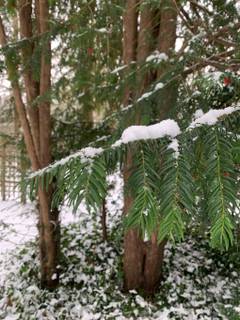
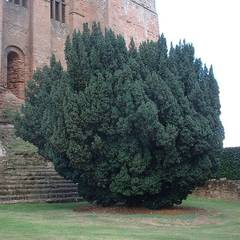
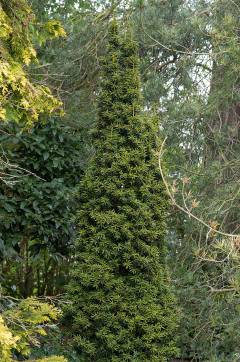
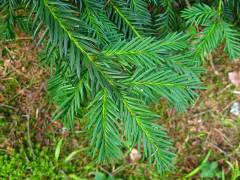
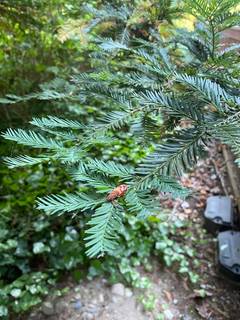
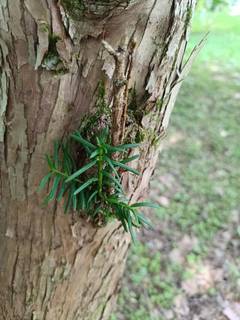
Taxus cuspidata 'Nana' is a compact slow-growing cultivar of Japanese yew that forms a low dense mound. Plants reach 3-5 feet (0.9-1.5 m) tall and 5-8 feet (1.5-2.4 m) wide at maturity over many decades at a growth rate of 2-4 inches (5-10 cm) per year. The habit is low-mounding to broadly spreading with dense, closely spaced branching. Needles are flat, 0.4-0.7 inch (10-18 mm), dark green above with two white stomatal bands below, arranged in two flat ranks; shorter and more densely spaced than on the species, giving a denser overall texture. Female plants produce red fleshy arils in autumn when a male T. cuspidata is within pollination range. All parts except the red aril flesh are highly toxic to humans, pets, and livestock. Cold hardiness extends to approximately -30°F (-34°C), a range substantially colder than T. baccata dwarf cultivars of similar form. The cultivar name 'Nana' has been applied to multiple dwarf selections over the years, so plants sold under the name may vary somewhat in final dimensions.
Native Range
Cultivar of horticultural origin. Species T. cuspidata is native to Japan, Korea, northeastern China, and the Russian Far East.Suggested Uses
Grown in foundation plantings, rock gardens, and mixed borders as a compact evergreen mound, spaced 5-6 feet (1.5-1.8 m) from adjacent plants. The slow growth and compact form suit sites where full-size yews eventually outgrow the space. Shade tolerance supports use in low-light sites under canopy. Sites where livestock, horses, or unsupervised pets can reach the foliage are not suitable — all parts except the red aril flesh are toxic. Hardy in zones 4-8.How to Identify
Appearance
Size & Dimensions
Height3' - 5'
Width/Spread5' - 8'
Colors
Bloom Information
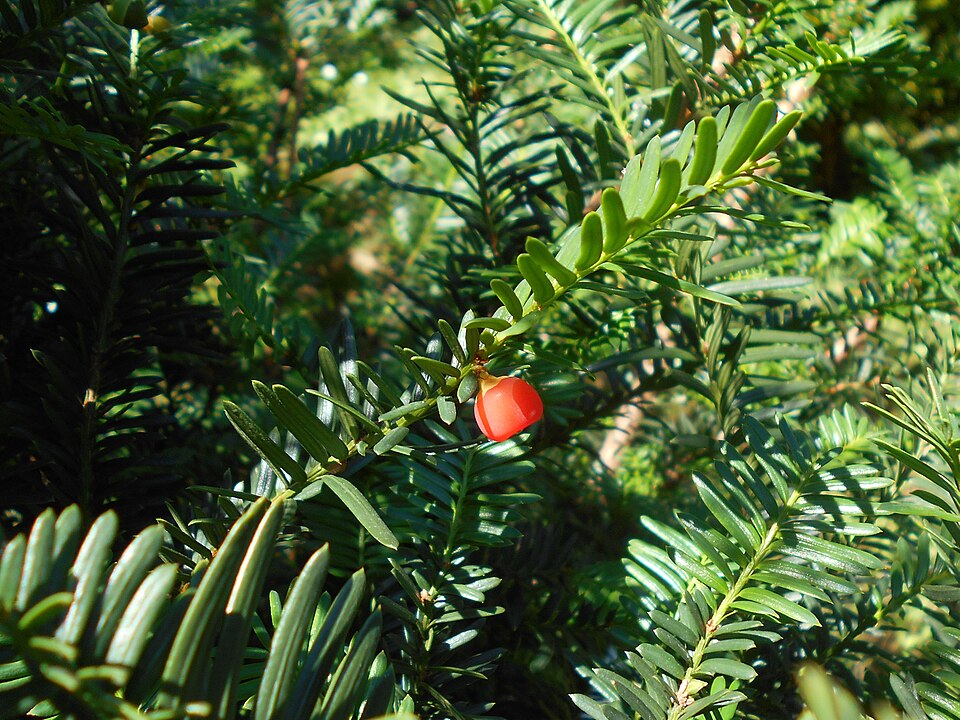
Female plants produce seeds enclosed in bright red fleshy arils 0.3-0.4 inch (8-10 mm), ripening in August-October when a male plant is nearby. The red aril flesh is edible; all other parts including the seed inside the aril are highly toxic.
Detailed Descriptions
Flower Description
bright red fleshy arils on female plants when a male plant is nearbyFoliage Description
dark green above with two white stomatal bands below; flat needles 0.4-0.7 inch (10-18 mm), arranged in two flat ranks; shorter and more densely spaced than the species, giving a denser overall textureGrowing Conditions
Sun Requirements
Requires 2-12 hours of direct sunlight daily
• Full Sun: 6+ hours of direct sunlight
• Partial Shade: 3-6 hours of direct sunlight
• Full Shade: Less than 3 hours of direct sunlight
Care & Maintenance
Care Guide
Site in full sun to deep shade (2-12 hours direct sun) in well-drained soil with a pH of 5.5-7.5; a wide range of soil types is tolerated, including clay. Waterlogged sites are not suitable — good drainage is required. Water weekly during the first two growing seasons; established plants tolerate moderate drought. Cold-hardy to approximately -30°F (-34°C). The slow growth rate means the plant takes many years to reach mature spread, so adequate horizontal clearance is set at planting. All parts except the red aril flesh are highly toxic to humans, pets, and livestock; sites where livestock or unsupervised pets can reach the foliage are not suitable. Hardy in zones 4-8.Pruning
No pruning is required. The dense mounding form develops naturally. Wayward stems can be trimmed in late spring (May-June) if needed. The plant regenerates from old wood if a size reduction is required. Dead wood can be removed at any time.Pruning Schedule
Prune: May–June
late springsummer
Container Growing
Suitable for container growing
Minimum container size: 10 gallons