Rosa, Genus, 'Sweet Drift', Cultivar,
- Genus
- Cultivar
sweet drift rose
horticultural cultivar (Meilland International, France / Star Roses, USA)
Overview
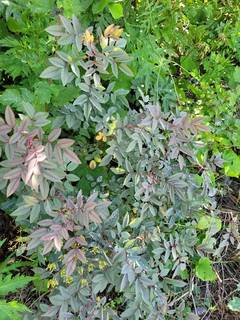
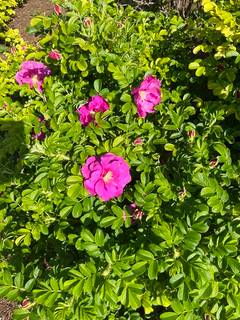
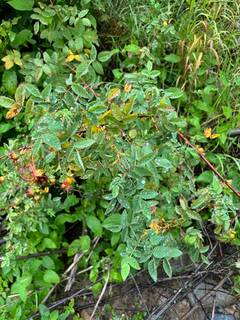
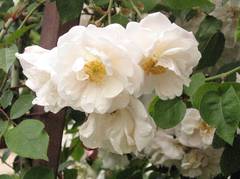
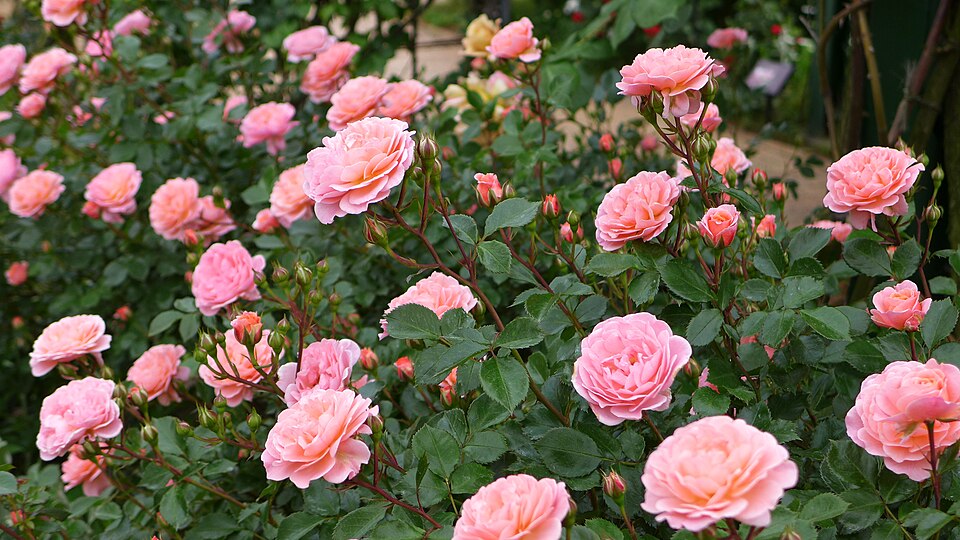
Rosa 'Sweet Drift' is a deciduous groundcover rose forming a low spreading mound 18-24 inches (45-60 cm) tall and 24-30 inches (60-75 cm) wide. Canes are slender and arching with scattered prickles 0.1-0.2 inch (3-5 mm) long. Leaves alternate, pinnately compound with 5-9 small leaflets each 0.5-1 inch (1.2-2.5 cm) long, glossy mid- to dark-green. Flowers are full double cupped form, 1-1.5 inches (2.5-4 cm) wide, opening soft pink and aging to lighter pink before falling cleanly without leaving brown residue on the plant; flowers are held in clusters of 5-15. Bloom is repeat-flowering: a heavy first flush from late May through June, recurrent flushes through summer, and a second peak from late August through frost. Fragrance is light, detectable within 1 foot (30 cm) of the bloom. Foliage is resistant to blackspot and powdery mildew across most growing zones; minor leaf disease occurs in humid summers in zones 8-10. Mature size is reached within 2-3 growing seasons.
Native Range
Rosa 'Sweet Drift' is a horticultural cultivar from the Drift series, bred by Meilland International (France) and introduced by Star Roses (United States). The cultivar has no wild native range; the Drift series crosses miniature with full-sized groundcover roses to produce compact spreading habits.Suggested Uses
Used as a groundcover spaced 24-30 inches (60-75 cm) apart, in mass plantings along borders and slopes, and as a low edging rose. Container culture works in pots of at least 5 gallons (19 L) with regular feeding and pruning; in hanging baskets the spreading habit cascades 12-15 inches (30-38 cm) over the rim.How to Identify
Appearance
Size & Dimensions
Height1'6" - 2'
Width/Spread2' - 2'6"
Bloom Information
First flush of bloom occurs from late May through June in zones 5-10, with a 5-week peak. Recurrent bloom flushes appear through July and August, with each flush lasting 2-3 weeks. A second heavier peak occurs from late August through first frost. Bloom continues into November in zones 9-10.
Detailed Descriptions
Flower Description
soft pink aging to lighter pinkFoliage Description
glossy mid- to dark-greenGrowing Conditions
Sun Requirements
Requires 6-10 hours of direct sunlight daily
• Full Sun: 6+ hours of direct sunlight
• Partial Shade: 3-6 hours of direct sunlight
• Full Shade: Less than 3 hours of direct sunlight
Care & Maintenance
Care Guide
Water demand is moderate; about 1 inch (2.5 cm) of water per week supports establishment, and an 8-12 inch (20-30 cm) deep root system develops within 1-2 years. A 2-3 inch (5-8 cm) layer of organic mulch over the root zone moderates soil temperature and reduces moisture loss. Disease resistance reduces blackspot and powdery mildew pressure compared with traditional shrub roses; minor leaf disease still occurs in humid summers in zones 8-10. Aphids appear on new growth in spring; lacewing and ladybug predators reduce populations within 2-3 weeks where broad-spectrum pesticides are absent. Plants live 10-20 years with annual pruning and self-cleaning bloom drop reducing deadheading need.Pruning
Major structural pruning is done in late winter (February-March in zones 6-7), reducing canes to one-third their previous height. Self-cleaning bloom drop minimizes the need for deadheading; spent flowers fall cleanly without brown residue. Light shaping during the season is done after each bloom flush to maintain a tidy mounded form.Pruning Schedule
Prune: February–March
winterearly spring
Container Growing
Suitable for container growing
Minimum container size: 5 gallons