Spiraea, Genus, splendens, Species,
- Genus & species
subalpine spiraea
Overview
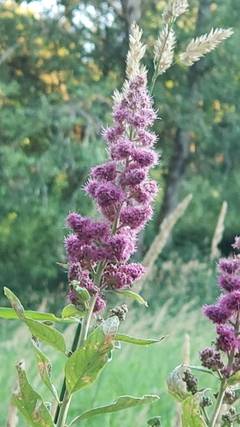
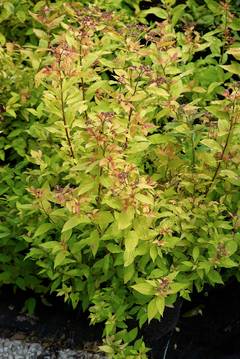
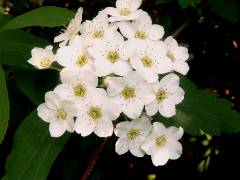
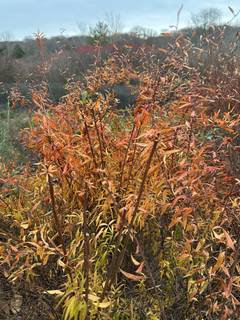
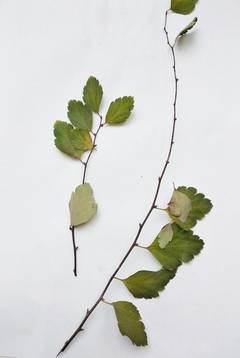
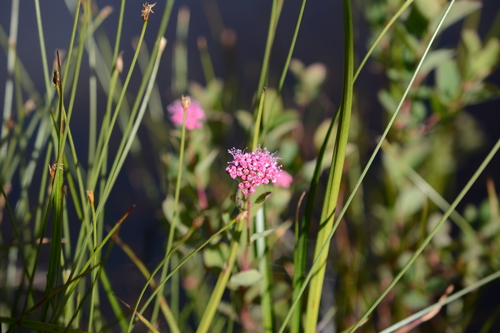
Spiraea splendens is a low deciduous shrub reaching 1-3 feet (30-90 cm) tall and 2-4 feet (60-120 cm) wide, with an upright clumping habit from spreading rhizomes that form colonies. Leaves are oval to elliptic, 0.75-2 inches (2-5 cm) long, with sharply toothed margins; the upper surface is medium green and the lower surface is paler with sparse hairs. Foliage turns yellow to red-orange in fall before dropping. Bright pink to rose-pink flowers about 0.25 inch (6 mm) across appear in flat-topped to slightly rounded corymbs 1-2 inches (2.5-5 cm) wide at the tips of the stems from July through August. Each flower cluster lasts 2-3 weeks; bloom on a single plant extends 3-4 weeks. Brown follicles ripen August through September. Spreads by underground rhizomes, expanding 4-6 inches (10-15 cm) per year, eventually forming colonies 4-8 feet (1.2-2.4 m) wide. Lifespan of individual stems 5-8 years; rhizome systems persist much longer. Restricted in the wild to subalpine and alpine habitats, where it can dominate moist rocky openings and meadow edges.
Native Range
Native to subalpine and alpine moist meadows, streamside terraces, and rocky openings in the mountains of western North America from southern British Columbia south through the Cascades and Sierra Nevada to central California, east to Idaho, Montana, and Wyoming. Found at elevations of 4,000-11,000 feet (1,200-3,350 m).Suggested Uses
Used in subalpine garden plantings, rock gardens, and high-elevation pollinator restorations. Spaced 3-4 feet (90-120 cm) apart for solid colonies or 4-5 feet (1.2-1.5 m) apart in mixed alpine borders. Garden longevity is greatest in cool maritime and montane climates; lowland sites in zones 7 and warmer often produce poor flowering and shortened lifespan.How to Identify
Appearance
Size & Dimensions
Height1' - 3'
Width/Spread2' - 4'
Bloom Information
Flowers from July through August at most sites, with peak bloom in late July to early August. In high-elevation populations (above 9,000 feet / 2,750 m), flowering can extend into early September. Each flower cluster lasts 2-3 weeks; total bloom on a single plant lasts 3-4 weeks.
Detailed Descriptions
Flower Description
pink to rose-pinkFoliage Description
medium green above, paler beneathGrowing Conditions
Sun Requirements
Requires 5-10 hours of direct sunlight daily
• Full Sun: 6+ hours of direct sunlight
• Partial Shade: 3-6 hours of direct sunlight
• Full Shade: Less than 3 hours of direct sunlight
Care & Maintenance
Care Guide
Plant container-grown stock in spring or fall in moist, well-drained soils with full sun to light shade. Water weekly through the first two growing seasons; the species needs more consistent summer moisture than most western spireas. Cool root zones encourage growth; mulch with 2-4 inches (5-10 cm) of pine needle or bark mulch to moderate soil temperature. Plants do not tolerate prolonged hot summer conditions in lowland gardens (below 2,000 feet / 600 m), where leaf scorch and crown decline are common. Spreading rhizomes extend 4-6 inches (10-15 cm) per year and can be limited by root barriers in confined garden beds. Crown rot can develop in poorly drained soils.Pruning
Prune in late winter or early spring before bud break to remove dead or damaged stems. Renewal pruning by cutting one-quarter to one-third of the oldest stems at ground level rejuvenates older colonies. Heavy pruning to within 4-6 inches (10-15 cm) of the ground is tolerated and produces a flush of new stems by midsummer.Pruning Schedule
Prune: February–March
winterearly spring