Spiraea, Genus, spp., Multiple species,
- Genus
- Multiple species
meadowsweets
Temperate Northern Hemisphere, greatest diversity in eastern Asia
Overview
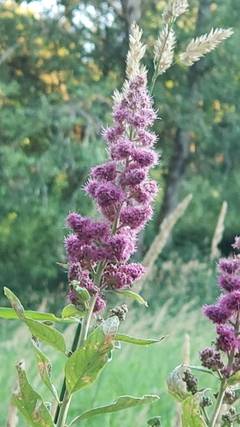
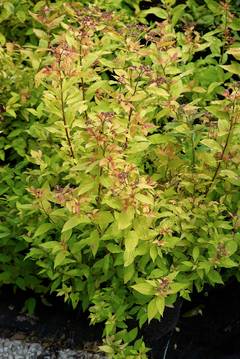
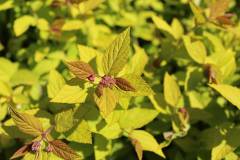
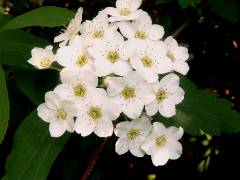
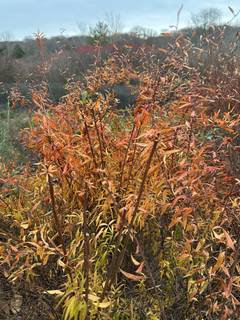
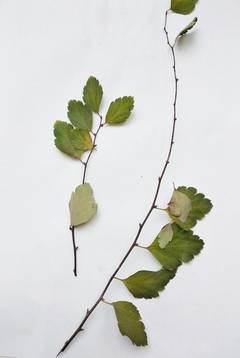
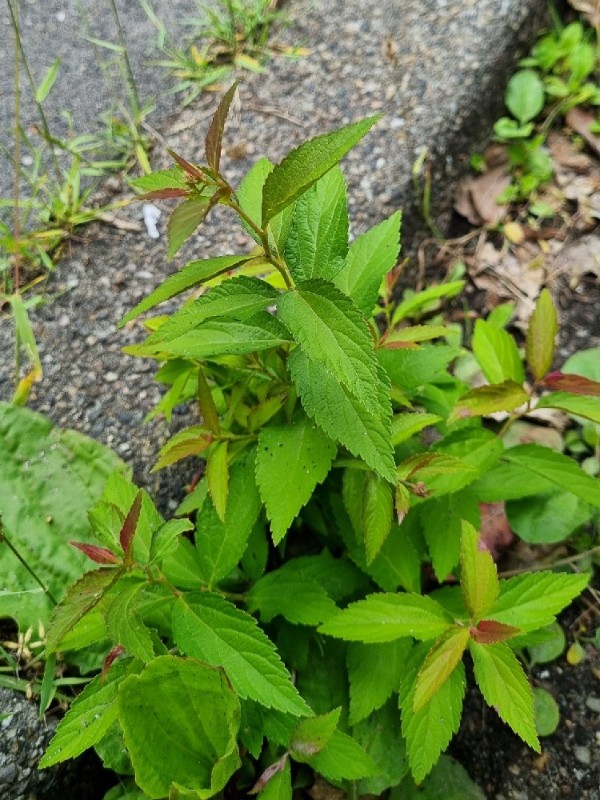
Spiraea is a genus of about 80 to 100 species of deciduous shrubs in the rose family, Rosaceae, native across the temperate Northern Hemisphere. Plants range from low mounded forms 1–3 ft (0.3–0.9 m) tall to arching shrubs reaching 6–8 ft (1.8–2.4 m), with slender, wiry branches and alternate, simple leaves 0.5–3 in (1.3–7.5 cm) long that are toothed or lobed toward the tip. The small five-petaled flowers, each about 0.1–0.3 in (3–8 mm) across, are packed into dense rounded corymbs or elongated panicles in shades of white, pink, and rose-red. Spring-flowering species such as S. prunifolia and the hybrid S. ×vanhouttei bloom on the previous year's wood, while summer-flowering species such as S. japonica and S. douglasii bloom on new growth. The dry fruit is a small cluster of follicles that splits to release numerous small seeds. Some species, including S. japonica, develop yellow, orange, or red foliage before leaf drop. Several species sucker and form colonies, and a few, including S. japonica, have escaped cultivation and are listed as invasive in parts of the eastern United States. The genus grows in moist meadows, streambanks, and open woodland.
Native Range
Spiraea is distributed across the temperate Northern Hemisphere, with the greatest diversity in eastern Asia. North American native species include S. douglasii, S. alba, and S. tomentosa. Many garden forms originate from Chinese and Japanese species.Suggested Uses
Spiraea species are used as informal hedges, foundation plantings, and massed shrubs in mixed borders. Compact summer-flowering forms are grown in containers and low edging, while arching spring-flowering forms are grown as specimen shrubs. The flowers attract bees, butterflies, and other pollinating insects.How to Identify
Appearance
Size & Dimensions
Height1' - 8'
Width/Spread2' - 8'
Bloom Information
Bloom time splits the genus: spring-flowering species such as S. prunifolia flower April to May on old wood, while summer-flowering species such as S. japonica flower June to August on new growth. Flower clusters last 2 to 4 weeks, and some summer species rebloom if spent flower heads are removed. Colors range from pure white in spring species to pink and rose-red in summer species.
Detailed Descriptions
Flower Description
white, pink, or rose-redFoliage Description
greenGrowing Conditions
Sun Requirements
Requires 6-10 hours of direct sunlight daily
• Full Sun: 6+ hours of direct sunlight
• Partial Shade: 3-6 hours of direct sunlight
• Full Shade: Less than 3 hours of direct sunlight
Care & Maintenance
Care Guide
Spiraea grows in full sun to part shade and tolerates a wide range of soils with a pH around 6.0 to 7.0, performing well in moist, well-drained ground. Established plants tolerate brief dry spells but are not strongly drought tolerant. They need little feeding and grow quickly once established. Spring-flowering species are pruned right after bloom because they flower on old wood, while summer-flowering species are cut back in late winter because they flower on new wood. Many species sucker and spread outward, so they need periodic division or removal of suckers to stay in bounds. Plants are hardy across a wide zone range and need minimal winter protection.Pruning
Spring-flowering Spiraea are pruned immediately after flowering, since their blooms form on the previous season's wood. Summer-flowering species are cut back hard in late winter or early spring, as they bloom on the current season's growth. Removing spent flower heads on summer species can prompt a second flush. Old, congested stems can be thinned to the base to renew the shrub.Container Growing
Suitable for container growing
Minimum container size: 3 gallons