Image 1 of 22
1 / 22
Plant Reference
Spiraea, Genus, ×, Hybrid, vanhouttei, Species,
- Genus & species
- Hybrid
Vanhoutte spirea
Garden hybrid — {S. cantoniensis} (China) × {S. trilobata} (northern Asia); raised in cultivation in the 1860s
Overview
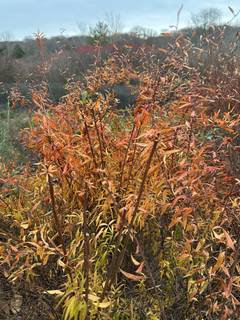
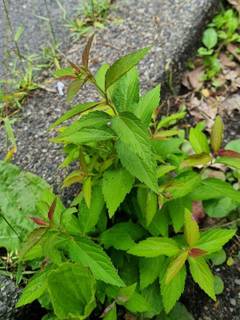
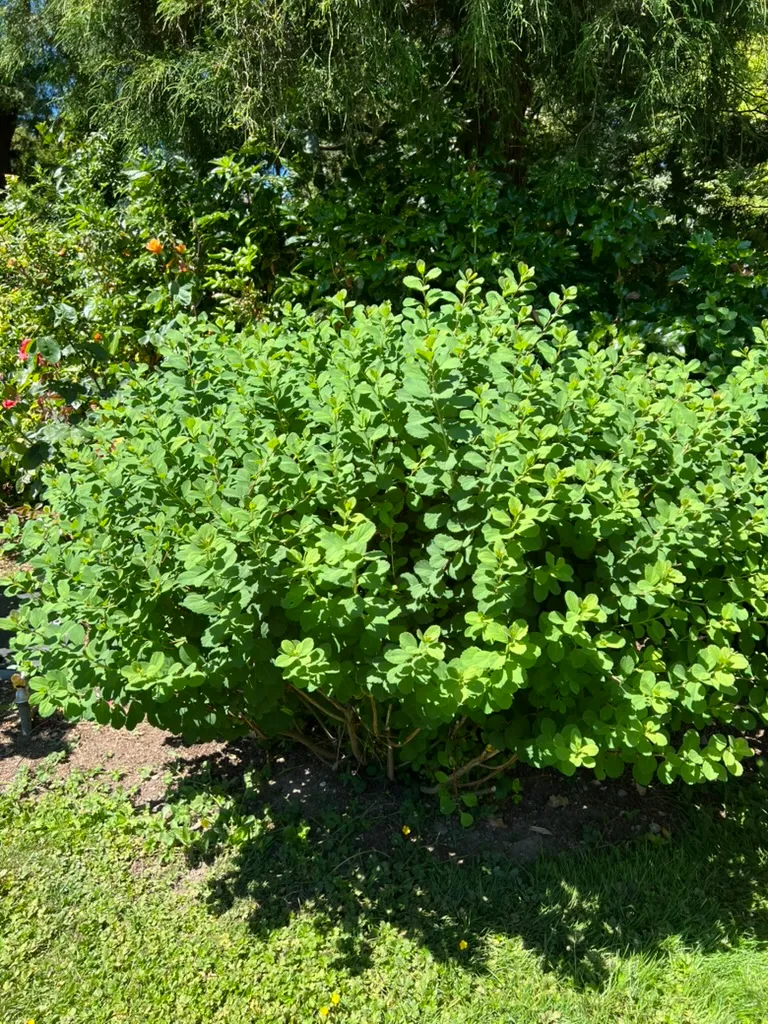
Spiraea × vanhouttei is Vanhoutte spirea (bridal wreath spirea), a large spreading deciduous shrub growing 6-10 feet (1.8-3 m) tall and 6-12 feet (1.8-3.6 m) wide with long arching stems that sweep toward the ground. White tiny 5-petaled flowers 0.3 inch (8 mm) in dense flat-topped clusters 1-2 inches (2.5-5 cm) cover the arching stems in April-May (3 weeks). Dark blue-green rhombic to obovate leaves 0.75-1.5 inches (2-4 cm), 3-5 lobed on the upper half. Turns yellow in fall. In Rosaceae. A hybrid between S. cantoniensis and S. trilobata, raised in cultivation in the 1860s. Named for Belgian horticulturist Louis Van Houtte. The large mature size (6-10 feet / 1.8-3 m tall, 6-12 feet / 1.8-3.6 m wide) is frequently underestimated at planting — this leads to excessive shearing to control size, which destroys the natural arching form. This size-versus-space mismatch is the primary limitation. Blooms on old wood — hard pruning or late winter shearing removes flower buds and eliminates the spring bloom. The plant is visually unremarkable when not in bloom — dark green mound for 49 weeks. Tolerates a wide range of soils and pH (5.0-8.0). Deer-resistant. Drought-tolerant once established. Non-toxic. Zones 3-8. Full sun to partial shade. Growth rate is fast.
Native Range
Garden hybrid — S. cantoniensis (China) × S. trilobata (northern Asia). Raised in cultivation in the 1860s.Suggested Uses
Grown as an informal hedge, screen, specimen shrub, and slope planting spaced 6-12 feet (1.8-3.6 m). Requires full mature width (6-12 feet / 1.8-3.6 m) — not for tight spaces. White spring bloom on arching stems. Prune after flowering (not winter). Deer-resistant. Non-toxic. Zones 3-8.How to Identify
Appearance
Size & Dimensions
Height6' - 10'
Width/Spread6' - 12'
Bloom Information
Mid to late spring (April-May). White tiny flowers in dense flat-topped clusters 1-2 inches (2.5-5 cm) covering the arching stems. 3 weeks on old wood. No repeat bloom. Bee- and butterfly-visited.
Detailed Descriptions
Flower Description
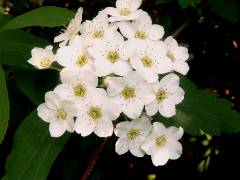
White, tiny, 5-petaled, 0.3 inch (8 mm), in dense flat-topped clusters 1-2 inches (2.5-5 cm) densely covering the arching stems in April-MayFoliage Description
Dark blue-green, rhombic to obovate, 0.75-1.5 inches (2-4 cm), 3-5 lobed or coarsely toothed on the upper half; turns yellow in fall — fall color brief and unremarkableGrowing Conditions
Sun Requirements
Requires 4-12 hours of direct sunlight daily
• Full Sun: 6+ hours of direct sunlight
• Partial Shade: 3-6 hours of direct sunlight
• Full Shade: Less than 3 hours of direct sunlight
Care & Maintenance
Care Guide
Full sun to partial shade (4-12 hours). Any well-drained soil pH 5.0-8.0. Drought-tolerant once established. Blooms on old wood — do not shear in late winter (removes flower buds). Allow full mature size (6-12 feet / 1.8-3.6 m wide) or select a smaller spirea instead. Prune after flowering (May-June). Deer-resistant. Non-toxic. Zones 3-8.Pruning
Prune after flowering (May-June) — blooms on old wood. Remove oldest stems at the base for renewal (1/3 of oldest canes annually). Do not shear into a ball — this destroys the natural arching form. If size reduction is needed, select individual stems and cut to the base rather than hedge-trimming.Pruning Schedule
Prune: May–June
late spring