Image 1 of 17
1 / 17
Plant Reference
Spiraea, Genus, douglasii, Species,
- Genus & species
western spirea
Western North America — British Columbia south through Washington, Oregon to California; moist meadows, stream banks, wetland edges, and moist open forest edges
Overview
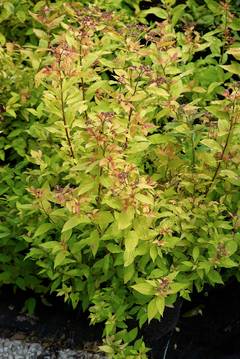
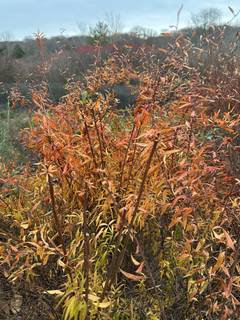
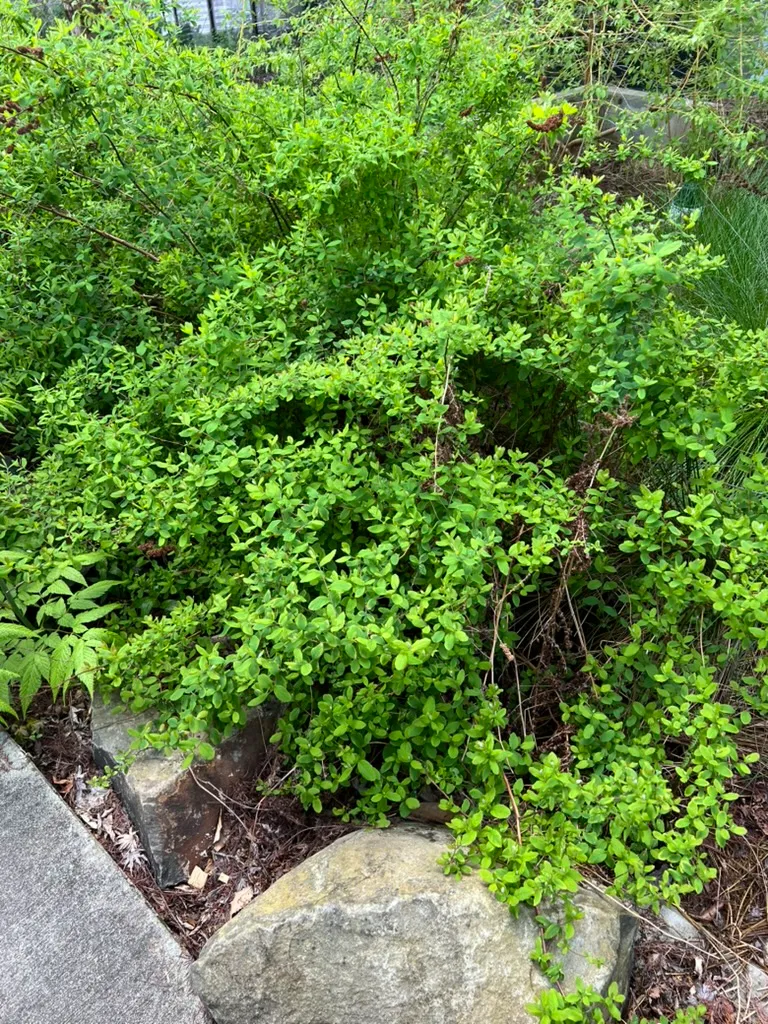
Spiraea douglasii is western spirea (Douglas spirea), an upright deciduous shrub growing 3-8 feet (0.9-2.4 m) tall and 3-6 feet (0.9-1.8 m) wide. Deep pink to rose-purple tiny 5-petaled flowers 0.1-0.2 inch (3-5 mm) in dense elongated cylindrical to narrowly conical clusters 2-6 inches (5-15 cm) at branch tips in June-August (8 weeks). The elongated cluster shape distinguishes this from flat-topped spireas (S. japonica). Dark green lance-shaped to oblong leaves 1-3 inches (2.5-7 cm) toothed on the upper half, with gray-white woolly tomentum densely covering the underside — this felted underside is the key field identification character. Turns yellow to orange in fall. In Rosaceae. Native to western North America — British Columbia through California along moist meadows, stream banks, and wetland edges. Named for David Douglas. Spreads aggressively by rhizomes in moist soil to form dense thickets — this rhizomatous spread is the primary limitation in garden settings. The colony can expand 2-4 feet (0.6-1.2 m) per year in wet conditions. Not drought-tolerant — requires consistently moist to wet soil. Deer browse. Blooms on new wood. Non-toxic. Zones 4-9. Part sun to full sun. Growth rate is fast.
Native Range
Native to western North America — British Columbia south through Washington, Oregon to California. Found in moist meadows, stream banks, wetland edges, and moist open forest edges.Suggested Uses
Grown in wetland restoration, rain gardens, stream bank stabilization, and native plant gardens in the Pacific Northwest spaced 3-6 feet (0.9-1.8 m). Midsummer bloom for pollinators. Requires moist soil. Aggressive rhizomes. Native to western North America. Non-toxic. Zones 4-9.How to Identify
Appearance
Size & Dimensions
Height3' - 8'
Width/Spread3' - 6'
Bloom Information
Early to late summer (June-August). Deep pink to rose-purple tiny flowers in elongated cylindrical clusters 2-6 inches (5-15 cm). 8 weeks of bloom on new wood. Bee- and butterfly-visited. Dried brown seed clusters persist.
Detailed Descriptions
Flower Description
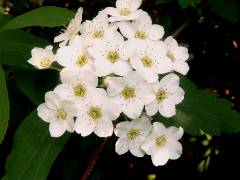
Deep pink to rose-purple, tiny 5-petaled, 0.1-0.2 inch (3-5 mm), in dense elongated cylindrical to narrowly conical clusters 2-6 inches (5-15 cm) at branch tipsFoliage Description
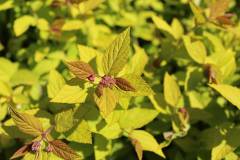
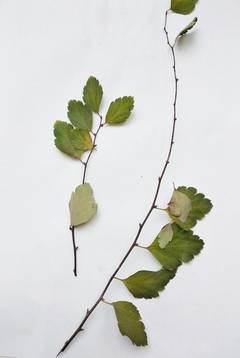
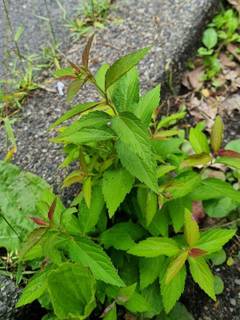
Dark green above, gray-white woolly tomentum densely covering the leaf underside — the felted underside is the key field identification character; lance-shaped to oblong, 1-3 inches (2.5-7 cm), toothed on the upper half to two-thirds; turns yellow to orange in fallGrowing Conditions
Sun Requirements
Requires 3-10 hours of direct sunlight daily
• Full Sun: 6+ hours of direct sunlight
• Partial Shade: 3-6 hours of direct sunlight
• Full Shade: Less than 3 hours of direct sunlight
Care & Maintenance
Care Guide
Part sun to full sun (3-10 hours). Consistently moist to wet soil pH 5.5-7.5. Not drought-tolerant. Spreads aggressively by rhizomes in moist soil — remove unwanted suckers to control colony spread. Blooms on new wood — prune in late winter (February-March). Deer browse. Non-toxic. Zones 4-9.Pruning
Prune in late winter (February-March) — blooms on new (current season's) wood. Remove oldest stems at the base for renewal. Remove unwanted rhizome suckers to control thicket formation. Can be coppiced to ground level for complete renewal.Pruning Schedule
Prune: February–March
early spring