Spiraea, Genus, japonica, Species,
- Genus & species
Japanese spirea
Japan, China, and Korea; open woodland margins, mountain slopes, and disturbed areas
Overview
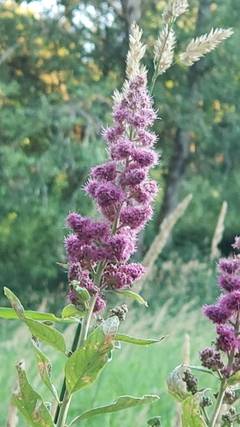
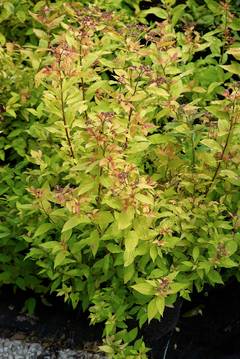
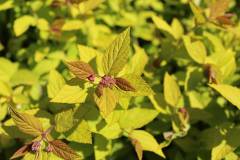
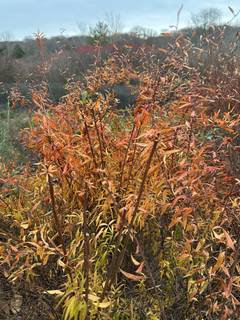
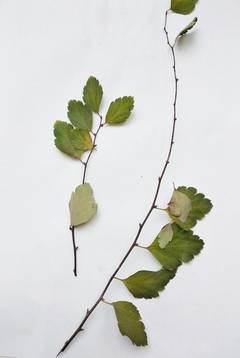
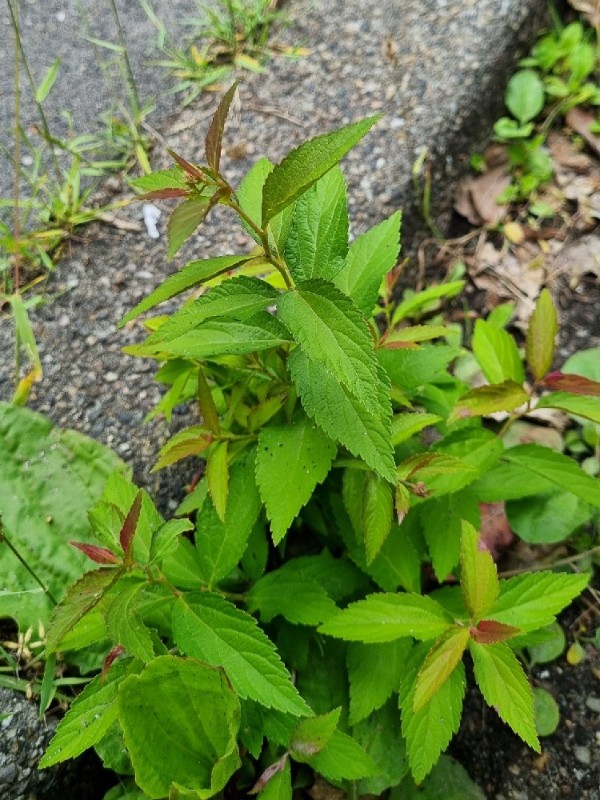
Spiraea japonica (Japanese spirea, Japanese meadowsweet) is a mounding deciduous shrub growing 2–4 feet (0.6–1.2 m) tall and 2–4 feet (0.6–1.2 m) wide. Pink to rose-pink flowers appear in flat-topped terminal corymbs 2–4 inches (5–10 cm) wide from June through July for about 5 weeks; shearing spent corymbs can produce a lighter second flush in late summer. Medium green ovate leaves 1–3 inches (2.5–7 cm) with toothed margins turn yellow to orange in fall; cultivars such as 'Goldflame' and 'Magic Carpet' carry chartreuse to gold foliage with bronze to red new growth. The species belongs to Rosaceae. Flowering occurs on current-season wood, and annual late-winter pruning to one-half to two-thirds of stem length promotes vigorous new growth and heavy corymb production. Native to Japan, China, and Korea, in open woodland margins, mountain slopes, and disturbed areas. S. japonica is classified as invasive in parts of the southeastern United States (Tennessee, Virginia, the Carolinas, Georgia), the mid-Atlantic, and some northeastern states — wind-dispersed seed allows self-sowing into riparian and forest understory habitats. This invasive potential is the principal ecological limitation. Tolerates clay, alkaline soil, and urban pollution. Drought-tolerant once established. Deer-resistant. Non-toxic. Hardy in zones 3–8.
Native Range
Native to Japan, China, and Korea, in open woodland margins, mountain slopes, and disturbed areas at low to moderate elevations.Suggested Uses
Used in mixed borders, mass plantings, foundation plantings, low hedges, and in containers of at least 5 gallons (19 L), spaced 2–4 feet (0.6–1.2 m). S. japonica is classified as invasive in parts of the southeastern and northeastern United States; sterile or low-seeding cultivars reduce spread. Deer-resistant. Non-toxic. Zones 3–8.How to Identify
Appearance
Size & Dimensions
Height2' - 4'
Width/Spread2' - 4'
Bloom Information
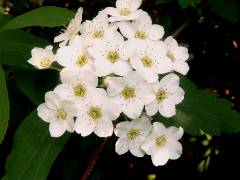
Early to midsummer (June–July) over about 5 weeks. Pink to rose-pink tiny 5-petaled flowers in dense flat-topped terminal corymbs 2–4 inches (5–10 cm). Bee- and butterfly-visited. Shearing spent corymbs can produce a lighter second flush in late summer.
Detailed Descriptions
Flower Description
Pink to rose-pink; tiny 5-petaled flowers 0.1-0.2 inch (3-5 mm) in dense flat-topped terminal corymbs 2-4 inches (5-10 cm); June-JulyFoliage Description
Medium green in the species; cultivars range chartreuse to gold with bronze to red new growth; ovate; 1-3 inches (2.5-7 cm); toothed margins; yellow to orange in fallGrowing Conditions
Sun Requirements
Requires 4-12 hours of direct sunlight daily
• Full Sun: 6+ hours of direct sunlight
• Partial Shade: 3-6 hours of direct sunlight
• Full Shade: Less than 3 hours of direct sunlight
Care & Maintenance
Care Guide
Grows in full sun to partial shade with 4–12 hours of direct light. Tolerates clay, sand, or loam at pH 5.5–7.5. Drought-tolerant once established. Flowering occurs on current-season wood; annual late-winter pruning by one-half to two-thirds of stem length promotes vigorous growth and heavy corymb production. S. japonica is classified as invasive in parts of the southeastern and northeastern United States; wind-dispersed seed self-sows into riparian and forest understory habitats. Deer-resistant. Non-toxic. Suitable for zones 3–8.Pruning
Hard prune in late winter (February–March) to one-half to two-thirds of stem length before new growth begins — flowering occurs on current-season wood. Shear spent corymbs in July to encourage a lighter second bloom flush. Tolerates renovation pruning to within a few inches of the ground.Pruning Schedule
Prune: February–March
early spring
Container Growing
Suitable for container growing
Minimum container size: 5 gallons