Solanum, Genus, spp., Multiple species,
- Genus
- Multiple species
nightshades
Worldwide, with greatest diversity in Central and South America
Overview
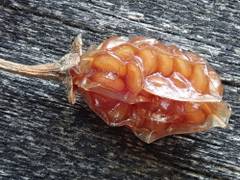
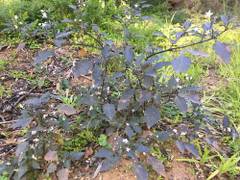
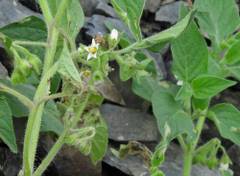
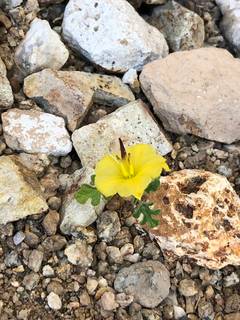
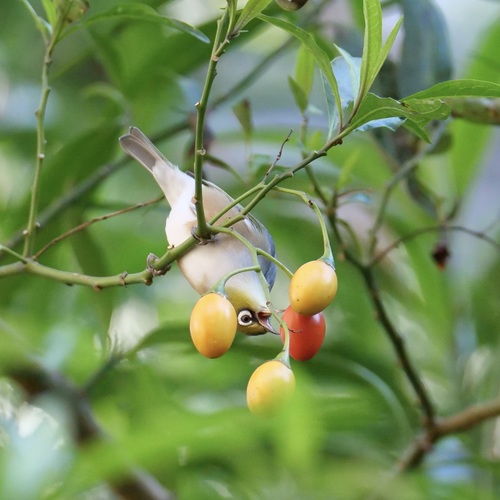
Solanum is a very large genus of about 1,500 species of annuals, perennials, vines, shrubs, and small trees in the nightshade family, Solanaceae, distributed across temperate and tropical regions worldwide. The genus includes major food crops such as the potato S. tuberosum and eggplant S. melongena, alongside many wild and weedy species. Plants range from 1 to 15 feet (0.3 to 4.5 m) tall depending on habit, with alternate leaves that are entire, lobed, or divided and sometimes armed with prickles. The flowers are star-shaped with five lobes and a projecting cone of yellow anthers, in white, purple, blue, or yellow, and measure 0.4 to 1.5 inches (1 to 4 cm) across. They are followed by berries that ripen through green, yellow, orange, red, or black. Solanum grows across USDA zones 4 to 11 as a genus, though each species occupies a narrower range. Many species contain toxic solanine alkaloids in the foliage and unripe fruit, and several, such as S. dulcamara and S. carolinense, are widespread weeds.
Native Range
Distributed across temperate and tropical regions worldwide, with the greatest diversity in Central and South America. Some species are native to North America, while many crop and weed species have spread far beyond their original ranges through cultivation and naturalization.Suggested Uses
Grown as food crops, as ornamental shrubs and vines for flowers and colorful berries, and as container and conservatory plants in cold climates. The flowers are visited by buzz-pollinating bees, and ripe berries of some species feed birds. The toxic foliage and fruit of many species limit placement where children and pets are active.How to Identify
Appearance
Size & Dimensions
Height1' - 15'
Width/Spread1' - 6'
Bloom Information
Detailed Descriptions
Flower Description
white, purple, blue, or yellow with a yellow anther coneFoliage Description
greenGrowing Conditions
Sun Requirements
Requires 6-8 hours of direct sunlight daily
• Full Sun: 6+ hours of direct sunlight
• Partial Shade: 3-6 hours of direct sunlight
• Full Shade: Less than 3 hours of direct sunlight
Water & Climate
Water Needs
Care & Maintenance
Care Guide
Most species grow in full sun to partial shade in moist, well-drained soil of moderate fertility. Steady moisture supports flowering and fruiting, while drought and poor soil reduce both. Cold tolerance ranges from USDA zone 4 for hardy perennials to zone 11 for tropical species, so siting depends on the species. Aphids, flea beetles, Colorado potato beetle, and several fungal and viral diseases affect plants across the genus. The foliage and unripe berries of many species are toxic if eaten. Tender and crop species are grown as annuals where frost occurs.Pruning
Shrubby and vining species are pruned in late winter or early spring to control size and remove weak stems. Herbaceous and crop types are cut down at the end of the season. The prickles on some species and the toxic sap make handling slow.Container Growing
Suitable for container growing
Minimum container size: 3 gallons