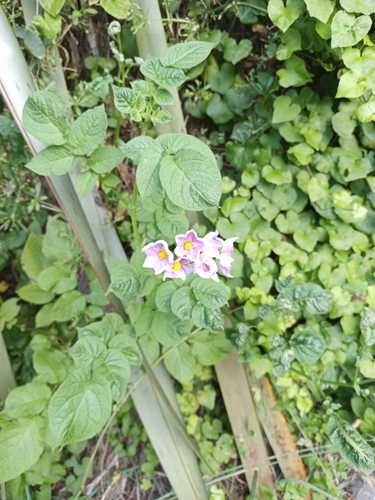
Solanum, Genus, tuberosum, Species,
- Genus & species
potato
Overview
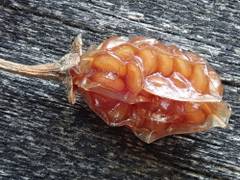
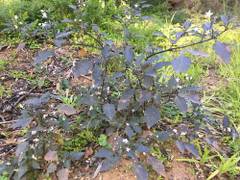
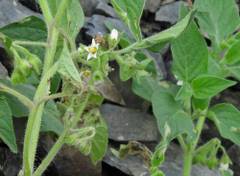
Solanum tuberosum is a herbaceous member of the nightshade family grown worldwide as a tuber crop, reaching 12-39 inches (30-100 cm) tall in a bushy, spreading mound. The branching stems carry pinnate leaves with oval leaflets of uneven size, and in cultivation the plant grows from seed tubers rather than from true seed. Underground stems (stolons) swell at their tips into the starchy tubers harvested as potatoes, which range widely in skin colour, flesh colour, and shape between varieties. Star-shaped flowers about 1 inch (2.5 cm) across appear in summer in white, pink, or purple with yellow centres, sometimes followed by small green, poisonous fruits resembling tiny tomatoes. The crop is grown as a frost-tender annual, planted in spring and lifted from summer to autumn. All green parts, the fruits, and any green-skinned tubers contain the toxic alkaloid solanine and are not safe to eat. Native to the Andes, the potato is now cultivated on every inhabited continent, with thousands of named varieties suited to different climates and uses.
Native Range
Native to the Andes of South America, particularly Peru and Bolivia, where wild and cultivated forms have been grown for thousands of years at high altitude.Suggested Uses
Grown as a staple vegetable in kitchen gardens, allotments, and field plots, and in large containers or grow-bags where space is limited. Early varieties are spaced about 12 inches (30 cm) apart and maincrop types 15 inches (38 cm) apart in rows. The tubers store for months in cool, dark, frost-free conditions.How to Identify
Appearance
Size & Dimensions
Height1' - 3'3"
Width/Spread1'6" - 2'6"
Bloom Information
Flowering occurs in summer, roughly 6-8 weeks after planting, with loose clusters of star-shaped white, pink, or purple flowers. The flowers are mostly self-pollinated and attract some bees. Flowering signals that tubers are forming below ground, though some varieties set few or no flowers.
Detailed Descriptions
Flower Description
white, pink, or purpleFoliage Description
greenGrowing Conditions
Sun Requirements
Requires 6-12 hours of direct sunlight daily
• Full Sun: 6+ hours of direct sunlight
• Partial Shade: 3-6 hours of direct sunlight
• Full Shade: Less than 3 hours of direct sunlight
Water & Climate
Water Needs
Care & Maintenance
Care Guide
Potatoes grow in full sun on deep, loose, free-draining soil enriched with organic matter, ideally slightly acidic at pH 5.0-6.5. Seed tubers are planted in spring once hard frost has passed, set 4-6 inches (10-15 cm) deep and earthed up as shoots grow to keep developing tubers out of the light. Steady moisture during flowering and tuber formation supports a heavy crop, while drought followed by rain can cause cracking. The plants are frost-tender and blacken at the first autumn frost. Tubers are lifted when the tops die down, and any exposed to light turn green and toxic. Rotating the crop and avoiding ground recently used for potatoes or tomatoes reduces blight and soil-borne disease.Pruning
No pruning is needed. Earthing up soil around the stems through the season keeps tubers covered and prevents greening. Removing flowers makes little difference to yield and is generally not done.Container Growing
Suitable for container growing
Minimum container size: 10 gallons
Toxicity Warning
Toxic to pets and humansPlanting Guide
Planting Methods & Timing
Planting Method
direct sow
Direct Sow Timing
Spring, after last frost
Days to Maturity
70–120 days
Plant Spacing
12 inches
Companion Planting
Good Companions