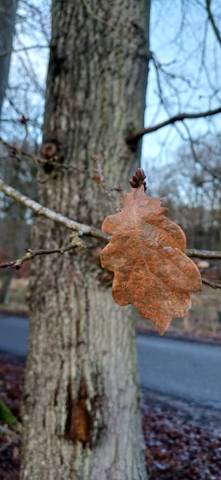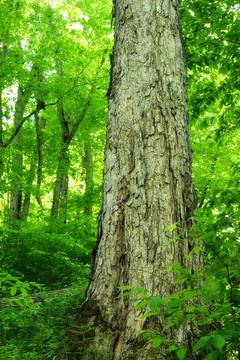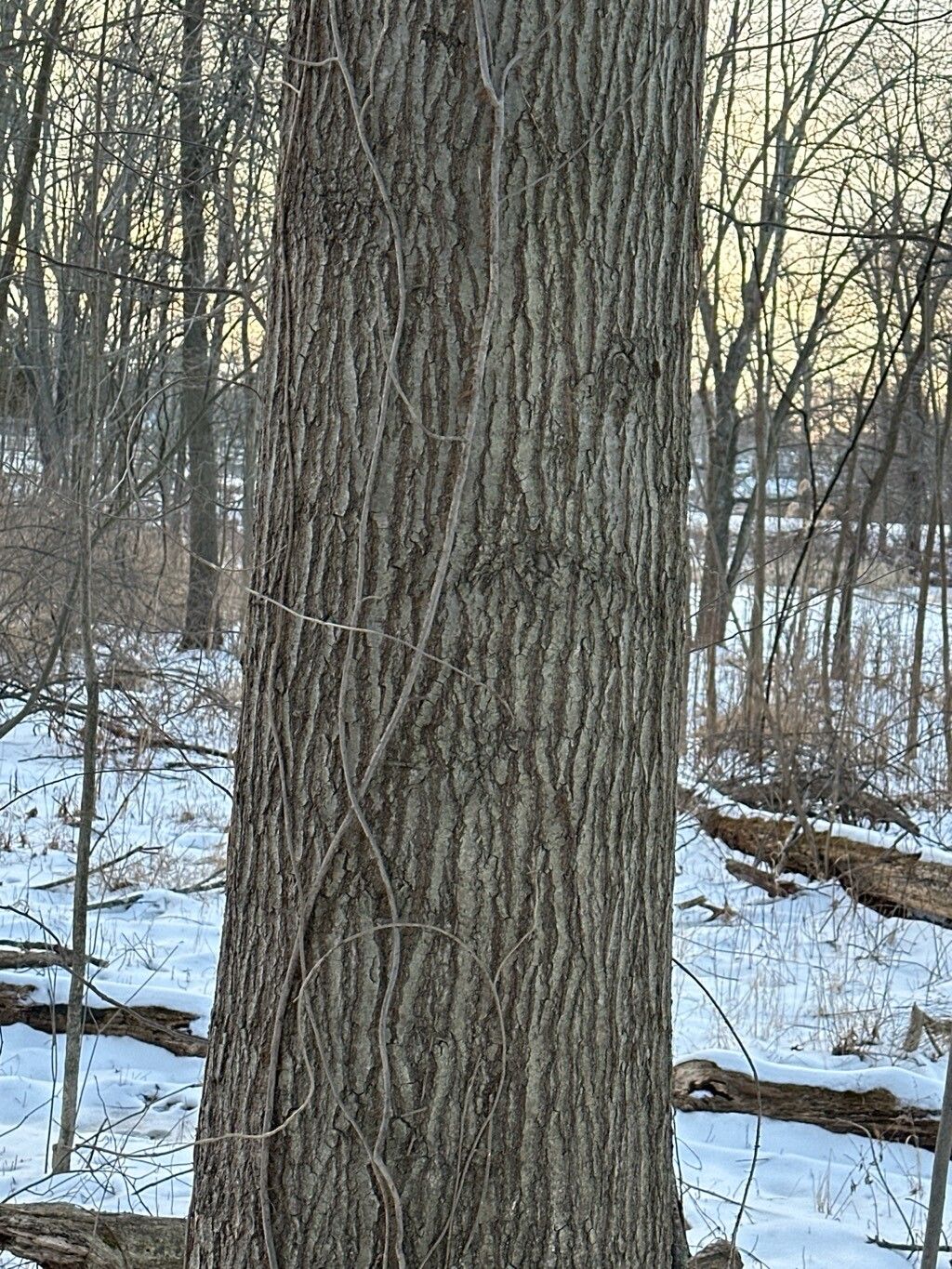
Quercus, Genus, shumardii, Species,
- Genus & species
Shumard oak tree
Central and southeastern United States
Overview
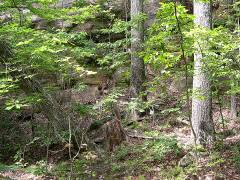
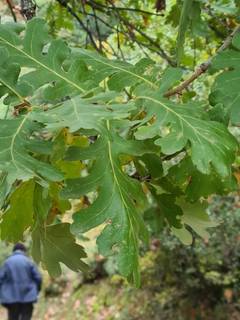
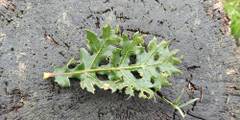
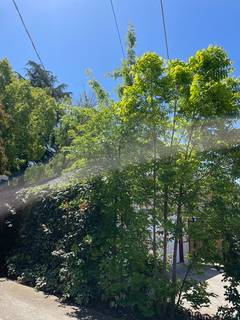
Quercus shumardii is a deciduous tree in the red oak group reaching 60-100 feet (18-30 m) tall and 40-60 feet (12-18 m) wide at maturity, with a broadly oval to rounded crown and a stout central trunk 2-4 feet (60-120 cm) in diameter on mature specimens. Leaves are dark green and glossy on the upper surface, 4-8 inches (10-20 cm) long and 3-5 inches (7.5-13 cm) wide, with 5-9 sharply pointed lobes and deep U-shaped sinuses extending two-thirds of the way to the midrib; lobe tips bear bristle points typical of the red oak group. Foliage emerges bronze-red in April, matures to dark green by June, and turns scarlet to deep red over 2-3 weeks in October-November in zones 5-7, holding color 1-2 weeks longer than Q. coccinea in many sites. Acorns are 0.6-1 inch (15-25 mm) long, oblong-ovoid, with a shallow saucer-shaped cap covering 25-30% of the nut length; acorns mature in the second autumn and drop September-November in alternating heavy and light mast years on cycles of 2-4 years. Bark is smooth grey on young trunks, developing shallow ridges and dark furrows on stems over 8 inches (20 cm) in diameter. Growth rate is 12-24 inches (30-60 cm) per year on deep moist soils, slower in compacted urban soils.
Native Range
Native to central and southeastern North America from southern Michigan and Pennsylvania south to northern Florida and west to eastern Texas and Kansas. Found in bottomland hardwood forest, mesic upland slopes, and along stream terraces on well-drained loamy soils, typically at 50-1,500 feet (15-460 m) elevation. Usually mixed with Quercus alba, Carya species, and Liriodendron tulipifera rather than forming pure stands.Suggested Uses
Planted as a shade tree, lawn specimen, or street tree on plots wider than 50 feet (15 m), spaced 40-60 feet (12-18 m) apart. Used in restoration plantings of southeastern bottomland hardwood forest and in mixed-species canopy plantings on residential and campus sites. Mature heights of 60-100 feet (18-30 m) make this species unsuitable for sites with overhead utility lines or limited overhead clearance.How to Identify
Appearance
Size & Dimensions
Height60' - 100'
Width/Spread40' - 60'
Bloom Information
Wind-pollinated, with male catkins emerging late March to mid-April just before or as leaves expand. Male catkins are 2-4 inches (5-10 cm) long, hanging in clusters of 4-8 and releasing yellow-green pollen over 7-14 days. Female flowers are inconspicuous reddish spikes 0.1-0.2 inch (2.5-5 mm) long at new leaf bases. In zones 8-9, bloom may occur in early March.
Detailed Descriptions
Flower Description
Yellow-green male catkins; reddish female spikesFoliage Description
Bronze-red on emergence; dark green in summer; scarlet to deep red in fallGrowing Conditions
Sun Requirements
Requires 6-8 hours of direct sunlight daily
• Full Sun: 6+ hours of direct sunlight
• Partial Shade: 3-6 hours of direct sunlight
• Full Shade: Less than 3 hours of direct sunlight
Care & Maintenance
Care Guide
Trees establish well in full sun on moderately acidic to neutral soils (pH 5.0-7.0) with good drainage; tolerates clay loam and heavy soils better than many red oaks but develops chlorosis on alkaline soils above pH 7.5. Watering of 20-30 gallons (76-114 L) weekly during the first three growing seasons is typical; established trees in zones 5-7 require supplemental water only during droughts longer than 4 weeks. Oak wilt (Bretziella fagacearum) is a serious disease in the central US, transmitted by sap beetles attracted to fresh wounds on red oaks during April-July; infected trees can die within months. Bacterial leaf scorch (Xylella fastidiosa) causes progressive marginal browning starting on outer branches in late summer and kills trees over 5-10 years in the southeastern US. Periodical cicada egg-laying damages young branches every 13 or 17 years in eastern populations. Lifespan is 80-120 years in zones 5-7 with adequate root run, shorter in compacted urban soils.Pruning
Pruning is performed in winter (December-February) when sap beetles that vector oak wilt are inactive; pruning during April-July substantially increases oak wilt infection risk in central US populations. Co-dominant leaders, dead wood, and crossing branches are removed during the first 15-20 years to set scaffold structure with vertical spacing of 18-30 inches (45-75 cm) between major branches. Wound dressing is applied to fresh cuts on red oaks during the growing season to reduce sap beetle attraction. Heavy pruning on mature trees creates wounds prone to colonization by decay fungi.Pruning Schedule
Prune: December–February
winter
Container Growing
Minimum container size: 25 gallons