Image 1 of 10
1 / 10
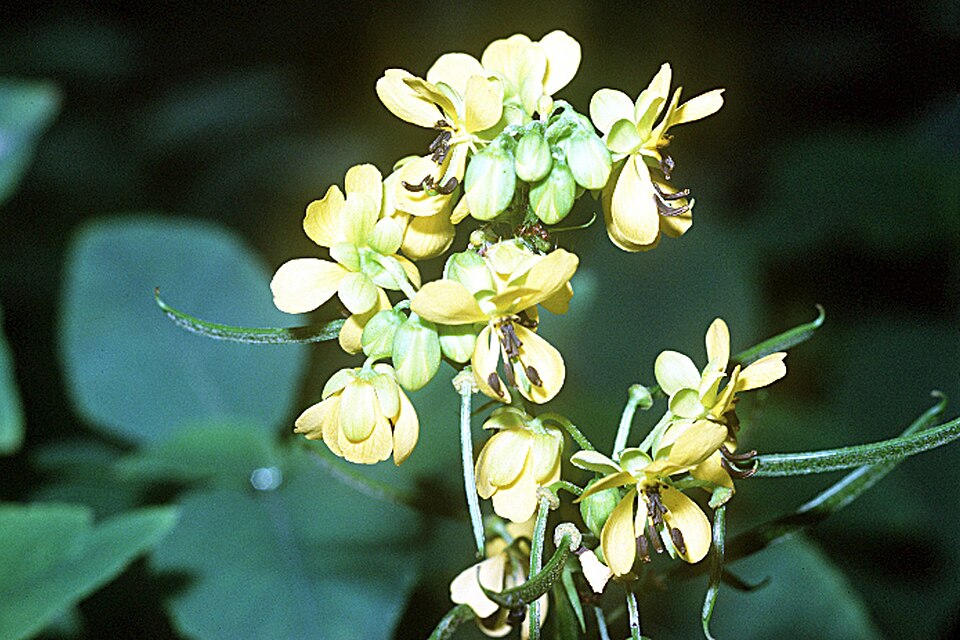
Robert H. Mohlenbrock. USDA SCS. 1989. Midwest wetland flora: Field office illustrated guide to plant species. Midwest National Technical Center, Lincoln. Provided by USDA NRCS Wetland Science Institute (WSI)., no rights reserved (CC0) · Wikimedia Commons
Senna, Genus, marilandica, Species,
- Genus & species
maryland senna
Overview
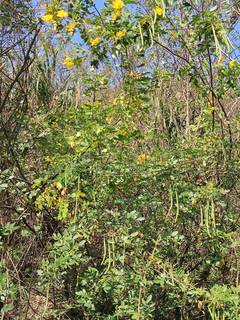
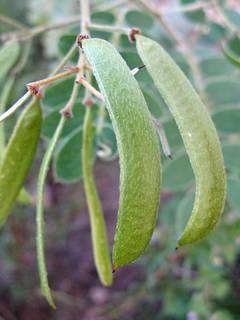
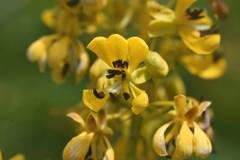
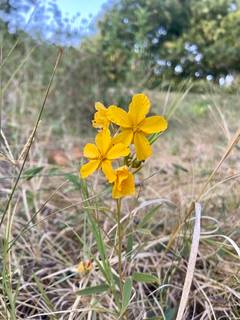
Senna marilandica is a clump-forming herbaceous perennial of the eastern and central United States, growing 3–6 feet (0.9–1.8 m) tall on stout, upright stems. The pinnately compound leaves are 6–8 inches (15–20 cm) long with four to eight pairs of oval leaflets and a small club-shaped gland near the base of the leaf stalk. Clusters of yellow flowers about 0.75 inch (2 cm) across, each with five petals and dark-tipped anthers, open from July to August in the upper leaf axils. Flat, slightly curved pods 2.5–4 inches (6–10 cm) long follow, turning black and persisting into winter. S. marilandica grows in moist open woods, prairies, stream banks, and roadsides from Pennsylvania and Iowa south to Texas and Florida. The leaves carry nectar glands that draw ants, and the foliage is a larval food for sulphur butterflies. All parts contain anthraquinone compounds that act as a strong laxative if eaten. The plant spreads slowly by rhizomes and self-seeds, and the tall stems can lean in rich soil or shade.
Native Range
Senna marilandica is native to the eastern and central United States, from Pennsylvania and Iowa south to Texas and Florida. It grows in moist open woods, prairies, stream banks, floodplains, and roadsides.Suggested Uses
Used in rain gardens, native meadows, pollinator plantings, and the back of moist borders. Spaced 24–36 inches (60–90 cm) apart, it supports bees and serves as a larval host for sulphur butterflies.How to Identify
Appearance
Size & Dimensions
Height3' - 6'
Width/Spread2' - 3'
Bloom Information
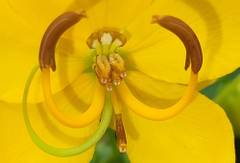
Flowering occurs from July to August. Clusters of yellow flowers about 0.75 inch (2 cm) across, with five petals and dark anthers, open in the upper leaf axils and draw bees. Flat curved pods follow, turning black and holding through winter.
Detailed Descriptions
Foliage Description
greenGrowing Conditions
Sun Requirements
Requires 6-10 hours of direct sunlight daily
• Full Sun: 6+ hours of direct sunlight
• Partial Shade: 3-6 hours of direct sunlight
• Full Shade: Less than 3 hours of direct sunlight
Care & Maintenance
Care Guide
Grow S. marilandica in full sun to part shade in moist, average to rich soil. It tolerates clay, seasonal wetness, and stream-side ground and suits rain gardens, meadows, and the back of borders. Soil pH from 5.5 to 7.5 is suitable. As a legume, it fixes nitrogen and grows on lean as well as fertile soil. In rich soil or shade the tall stems may lean and need support. It is hardy in USDA zones 4 through 8 and dies back to the ground each winter.Pruning
Cut the dead stems to the ground in late winter before new growth emerges. Stems can be shortened by one-third in late spring to reduce height and limit leaning, which delays bloom slightly. The black pods can be left through winter or cleared to limit self-sowing.Pruning Schedule
Prune: February–March
winter