Senna, Genus, bicapsularis, Species,
- Genus & species
butterfly bush senna
Caribbean, Central America, northern South America
Overview
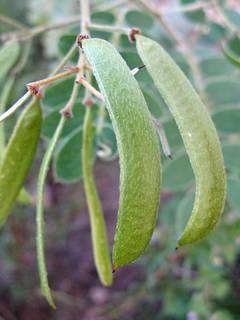
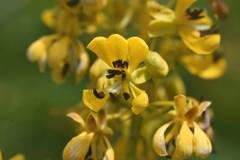
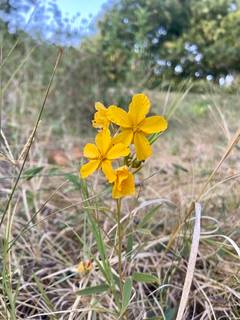
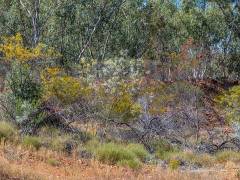
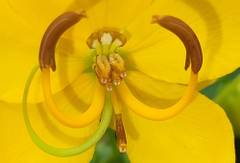
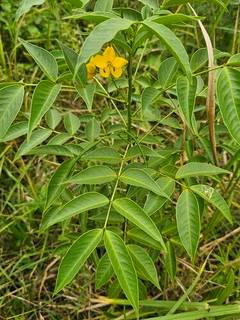
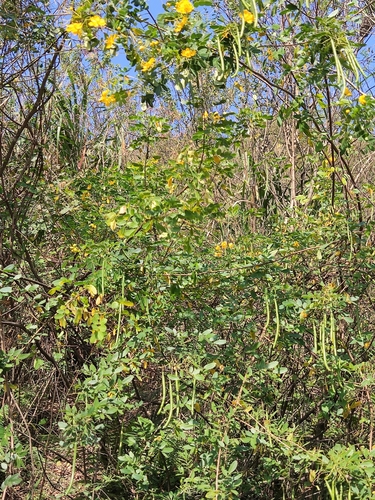
Senna bicapsularis is the butterfly bush senna (Christmas senna), growing 48-120 inches (120-300 cm) tall and 48-96 inches (120-240 cm) wide. Bright yellow 5-petaled flowers 1 inch (2.5 cm) in terminal and axillary racemes 4-8 inches (10-20 cm) from fall through winter — the cool-season bloom period gives the common name 'Christmas senna.' Blooms when few other shrubs flower, filling a seasonal gap. Butterfly-attracting: sulphur butterflies (Phoebis spp.) use Senna species as larval host plants. Medium green pinnately compound leaves with 3-4 pairs of oval leaflets 1-2 inches (2.5-5 cm). Cylindrical seed pods 3-5 inches (7-13 cm). In the legume family (Fabaceae). Native to the Caribbean, Central America, and northern South America. Classified as invasive in Hawaii, Florida, and parts of Australia and Africa, where it self-seeds aggressively into disturbed areas. All parts contain anthraquinones — a purgative toxic to dogs, cats, and humans if ingested. Drought-tolerant once established. Adapts to alkaline soils (pH to 8.0). Full sun (6+ hours). Fast-growing — 24-48 inches (60-120 cm) per year. Deer-resistant. Frost-tender: foliage damage at 30°F (-1°C). Growth rate is fast. Containers of 5+ gallons (20+ liters). Zones 9-11.
Native Range
Native to the Caribbean, Central America, and northern South America. Invasive in Hawaii, Florida, parts of Australia and Africa.Suggested Uses
Grown in the ground in zones 9-11 or in containers of 5+ gallons (20+ liters). Full sun. The cool-season bloom fills a gap when few other shrubs flower. Butterfly host plant. Invasiveness regulations vary by region. All parts toxic. Deer-resistant.How to Identify
Appearance
Size & Dimensions
Height4' - 10'
Width/Spread4' - 8'
Bloom Information
Detailed Descriptions
Flower Description
Bright yellow, in terminal and axillary racemesFoliage Description
Medium green, pinnately compound with 3-4 pairs of oval leafletsGrowing Conditions
Sun Requirements
Requires 6-10 hours of direct sunlight daily
• Full Sun: 6+ hours of direct sunlight
• Partial Shade: 3-6 hours of direct sunlight
• Full Shade: Less than 3 hours of direct sunlight
Care & Maintenance
Care Guide
Full sun (6+ hours). Drought-tolerant once established. Adapts to alkaline soils. Invasive in some tropical regions — local regulations vary by state and country. Butterfly host plant. All parts toxic (anthraquinones). Fast-growing. Deer-resistant. Frost-tender at 30°F (-1°C). Zones 9-11.Pruning
Hard pruning by one-third to one-half in late winter after flowering maintains a compact form. The fast growth rate calls for annual pruning. Seed pods are removed to reduce self-seeding (invasive in some regions).Pruning Schedule
Prune: February–March
winter
Container Growing
Suitable for container growing
Minimum container size: 5 gallons