Senna, Genus, hebecarpa, Species,
- Genus & species
American senna
Overview
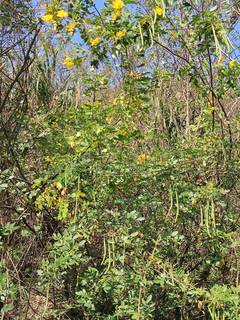
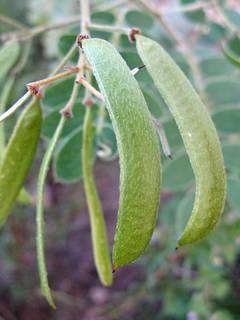
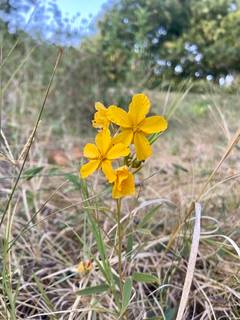
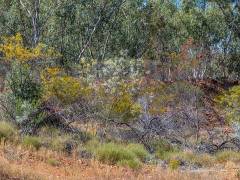
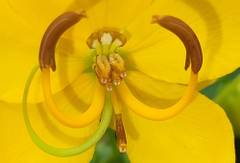
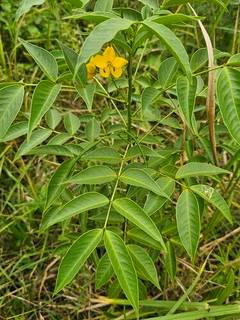
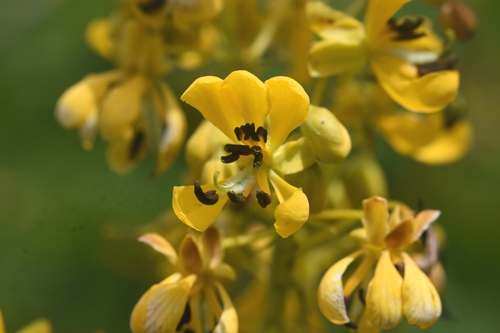
Senna hebecarpa is an upright herbaceous perennial reaching 3-6 feet (0.9-1.8 m) tall and 2-3 feet (0.6-0.9 m) wide, forming clumps from a woody crown. The stems are smooth and green, branching near the top. Pinnately compound leaves are 6-10 inches (15-25 cm) long, each with 5 to 10 pairs of oblong leaflets 1-2 inches (2.5-5 cm) long, and bear a small club-shaped gland near the base of the leaf stalk. Yellow five-petaled flowers about 0.75 inch (2 cm) across cluster in upright racemes from the upper leaf axils, with dark brown anthers at the center. Bloom runs from July to August. Flat, jointed seedpods 2-4 inches (5-10 cm) long follow, green ripening to black, finely hairy, and persist into winter. The species spreads slowly by short rhizomes and self-sows where soil is open. It grows in moist meadows, streambanks, and thickets. Foliage and seeds contain anthraquinone compounds that are cathartic if eaten in quantity. Plants can flop in rich soil or shade without support.
Native Range
Senna hebecarpa is native to eastern North America, from Ontario and Quebec south to Georgia and west to Wisconsin and Tennessee. It grows in moist meadows, floodplain thickets, streambanks, and roadside ditches.Suggested Uses
Used in rain gardens, native meadows, pollinator plantings, and the back of moist borders, spaced 24-36 inches (60-90 cm) apart. It serves as a larval host for cloudless sulphur and sleepy orange butterflies. The winter pods add structure and feed game birds.How to Identify
Appearance
Size & Dimensions
Height3' - 6'
Width/Spread2' - 3'
Bloom Information
Yellow flowers open from July to August in upright clusters above the foliage. Each raceme blooms over two to three weeks, and a plant flowers for about a month. Bumblebees collect pollen by buzz-pollination, as the flowers produce no nectar.
Detailed Descriptions
Foliage Description
Medium greenGrowing Conditions
Sun Requirements
Requires 6-10 hours of direct sunlight daily
• Full Sun: 6+ hours of direct sunlight
• Partial Shade: 3-6 hours of direct sunlight
• Full Shade: Less than 3 hours of direct sunlight
Care & Maintenance
Care Guide
Grow Senna hebecarpa in full sun to part shade on moist, fertile soils with a pH of 5.5 to 7.0. It tolerates clay and seasonal wetness and stands drought once its deep roots are established. Plants reach full height in two to three years and may lean in rich soils, where a sheltered spot or support keeps stems upright. Extrafloral glands on the leaves attract ants that deter some leaf-eaters. Stems can be cut to the ground in late fall, or the seedpods left standing for winter structure and birds. The species fixes nitrogen through root nodules and builds poor soils over time.Pruning
Stems are cut back to the ground in late fall or early spring after seed drop. No other pruning is needed during the growing season. Removing spent flower clusters before pods form limits self-sowing where that is a concern.Pruning Schedule
Prune: March & November
fallearly spring