Senna, Genus, spp., Multiple species,
- Genus
- Multiple species
sennas
Tropics and subtropics worldwide, with many species in the Americas
Overview
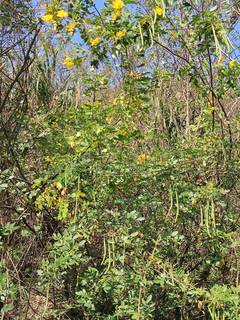
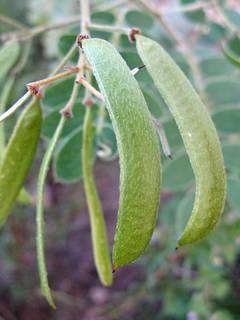
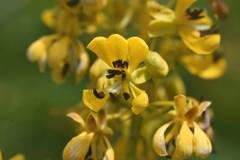
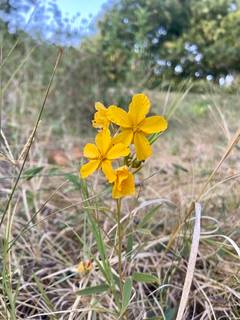
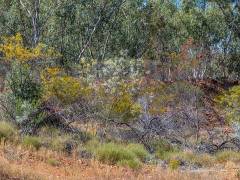
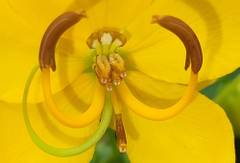
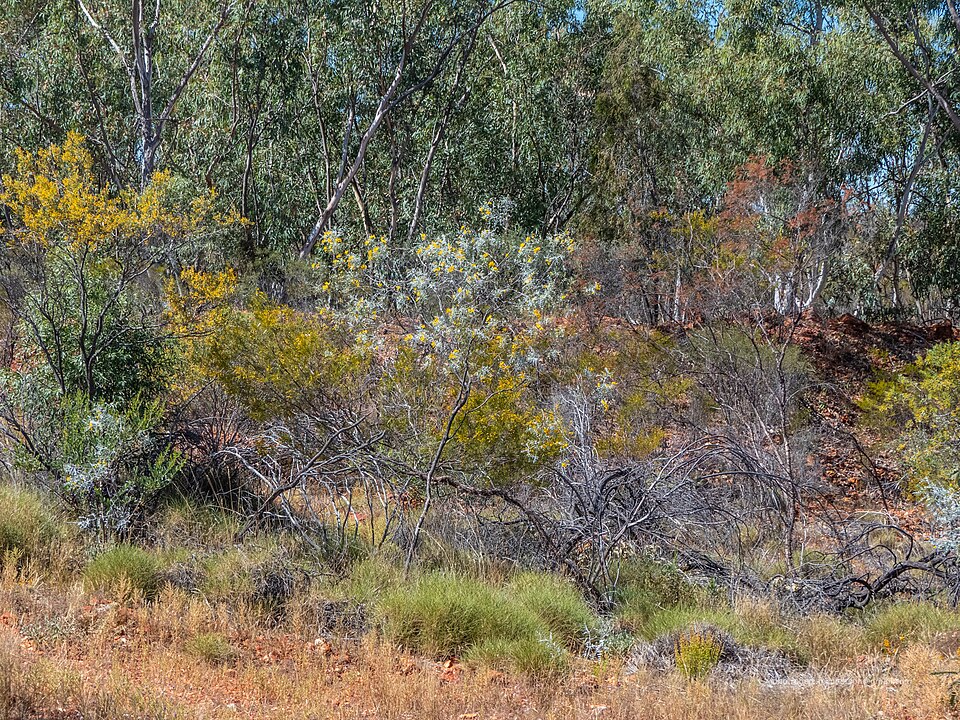
Senna is a genus of about 300 species of herbs, shrubs, and small trees in the legume family (Fabaceae), spread through the tropical and subtropical regions of the world with a few hardy species in temperate zones. Many were once classified in Cassia. Plants range from knee-high perennials to trees 30 feet (9 m) tall, all bearing pinnately compound leaves divided into paired leaflets. The flowers are five-petaled and nearly always yellow, carried in upright or branching clusters, and are followed by flat or cylindrical pods that can be several inches long. Several species are grown for the laxative drug senna, extracted from the dried leaves and pods of S. alexandrina. The foliage is a larval food for sulphur butterflies, whose caterpillars feed on the leaflets. The leaves, pods, and seeds contain compounds that are purgative and can poison grazing livestock and pets in quantity. Some shrubby species spread by seed and are weedy in warm climates.
Native Range
Senna is found throughout the warm regions of the Americas, Africa, Asia, and Australia, with its greatest diversity in tropical America. North American natives such as S. hebecarpa and S. marilandica grow in meadows, thickets, and streambanks across the eastern and central United States.Suggested Uses
Sennas are grown in borders, wildlife and butterfly gardens, and as flowering shrubs and small trees, with perennial species spaced 24 to 36 inches (60 to 90 cm) apart. The summer flowers feed bees, and the foliage supports sulphur butterfly caterpillars. Larger species are used as a seasonal screen or specimen in warm climates.How to Identify
Appearance
Size & Dimensions
Height1' - 30'
Width/Spread1' - 15'
Bloom Information
Flowering runs through late summer into autumn, roughly July to September in temperate gardens and over a longer season in the tropics. The clustered yellow flowers open over several weeks. Pods follow and ripen from green to brown, often hanging through winter.
Detailed Descriptions
Foliage Description
greenGrowing Conditions
Sun Requirements
Requires 6-8 hours of direct sunlight daily
• Full Sun: 6+ hours of direct sunlight
• Partial Shade: 3-6 hours of direct sunlight
• Full Shade: Less than 3 hours of direct sunlight
Care & Maintenance
Care Guide
Most Senna grow in full sun on well-drained soil at pH 5.5 to 7.5 and tolerate heat, humidity, and drought once established. Hardiness varies widely across the genus, with perennial species such as S. hebecarpa root-hardy to USDA zone 4 or 5 and tropical species tender below USDA zone 9. As legumes, the plants fix nitrogen and need little feeding. Water young plants through their first season; established plants are drought-tolerant. Cut perennial species to the ground in late winter, since they bloom on new growth. Caterpillars of sulphur butterflies chew the leaves but rarely cause lasting harm.Pruning
Cut perennial Senna to the ground in late winter or early spring, as flowers form on the current season's growth. Prune shrubby and tree species after flowering to shape them and remove old pods. Trim back the vigorous warm-climate species to limit self-sown seedlings.Pruning Schedule
Prune: March
early spring
Container Growing
Suitable for container growing
Minimum container size: 5 gallons