Senna, Genus, artemisioides, Species,
- Genus & species
silver senna
Overview
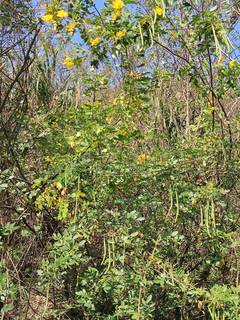
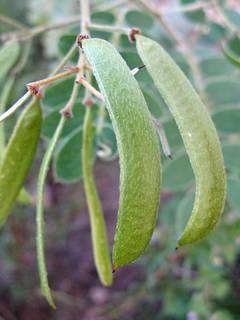
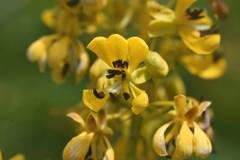
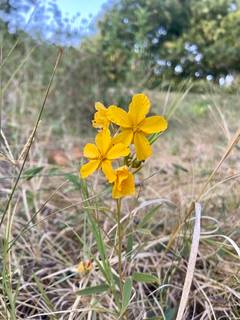
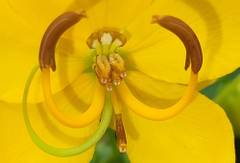
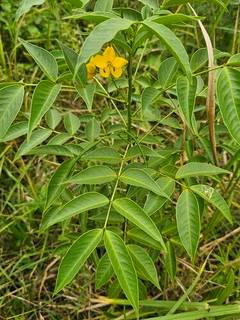
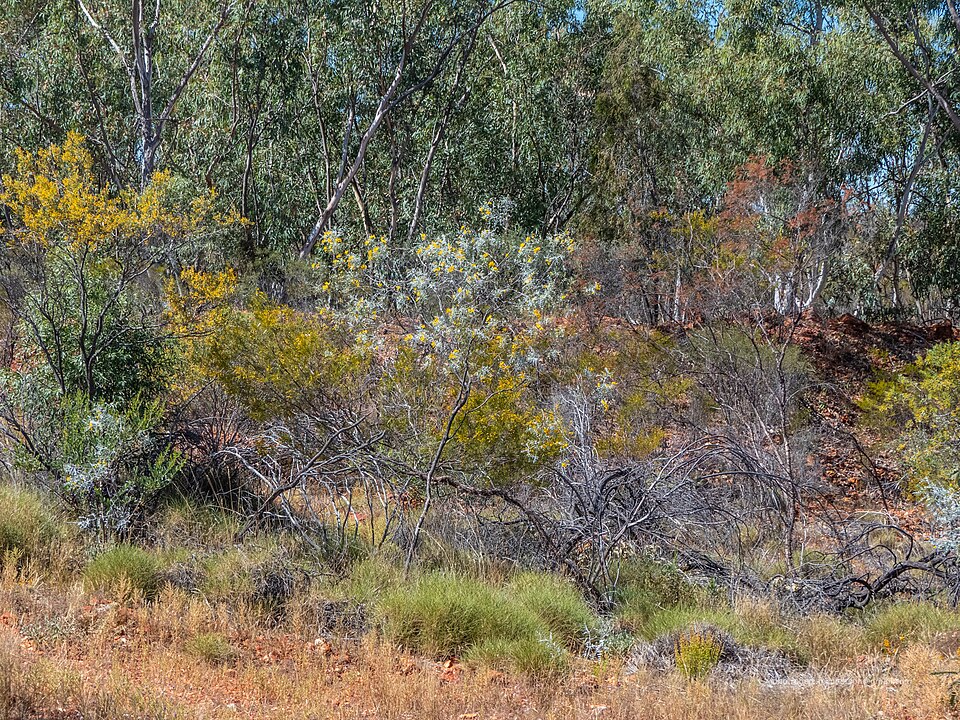
Senna artemisioides is an evergreen shrub reaching 3-10 feet (1-3 m) tall and 3-8 feet (1-2.4 m) wide, forming a rounded, densely twiggy bush. It is a variable species complex; foliage ranges from flat, silvery-grey pinnate leaflets to narrow, cylindrical, needle-like segments, all covered in dense silver-grey hairs. Cup-shaped yellow flowers 0.4-0.6 inch (10-15 mm) across are carried in small clusters through the canopy, mainly in winter and spring. Flat brown seed pods 1.5-3 inches (4-7.5 cm) long follow and persist on the plant. Adapted to arid and semi-arid conditions, it is drought- and heat-tolerant once established and grows rapidly to fill its mature size in 2-4 years. Foliage and pods contain anthraquinone compounds that act as purgatives and can cause digestive upset in livestock and people if eaten. Plants are short-lived, typically 5-10 years, and are damaged by hard frost and by wet, poorly drained soils.
Native Range
Native to the arid and semi-arid interior of mainland Australia, occurring in all mainland states. Grows on sandplains, rocky ridges, and dry watercourses in well-drained sandy, loam, and stony soils, often on calcareous ground.Suggested Uses
Planted in dryland, native, and low-water gardens as an informal screen or windbreak, spaced 5-8 feet (1.5-2.4 m) apart. Used for revegetation and erosion control on dry, exposed sites. Frost sensitivity and a short lifespan limit its use in cold or high-rainfall regions.How to Identify
Appearance
Size & Dimensions
Height3' - 10'
Width/Spread3' - 8'
Bloom Information
Detailed Descriptions
Foliage Description
silver-greyGrowing Conditions
Sun Requirements
Requires 6-12 hours of direct sunlight daily
• Full Sun: 6+ hours of direct sunlight
• Partial Shade: 3-6 hours of direct sunlight
• Full Shade: Less than 3 hours of direct sunlight
Care & Maintenance
Care Guide
Grows in full sun in sharply drained sandy or stony soils, including alkaline ground. Established plants survive on rainfall alone in arid climates and decline with regular irrigation or in heavy, wet soils. The species tolerates extreme heat but is cut back or killed by frost below about 25F (-4C). Growth is rapid, with plants reaching full size within a few years. Few pests affect it, though root rot occurs in poorly drained positions. Plants are commonly replaced after 5-10 years as they become woody and open.Pruning
Light trimming after flowering, cutting back the current season growth by up to one quarter, maintains density. Removing spent pods reduces self-seeding, which can be prolific in bare ground. Hard pruning into old wood is slow to reshoot.Pruning Schedule
Prune: October–November
spring
Container Growing
Suitable for container growing
Minimum container size: 7 gallons