Senna, Genus, septemtrionalis, Species,
- Genus & species
arsenic bush
Mexico, Central America, and South America
Overview
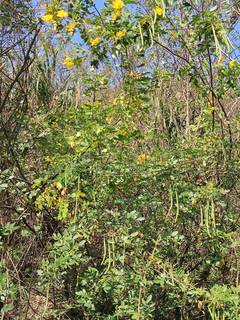
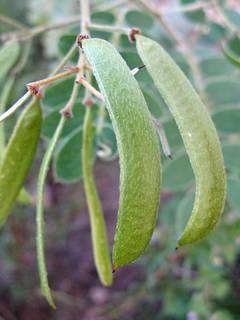
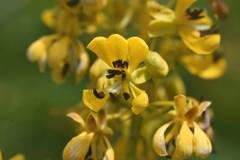
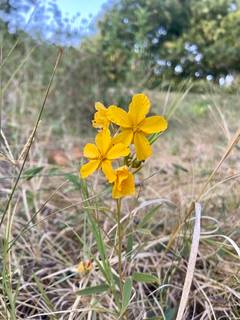
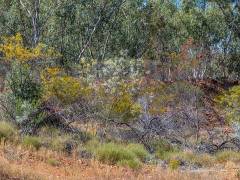
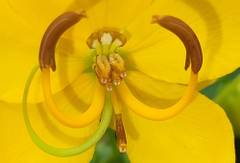
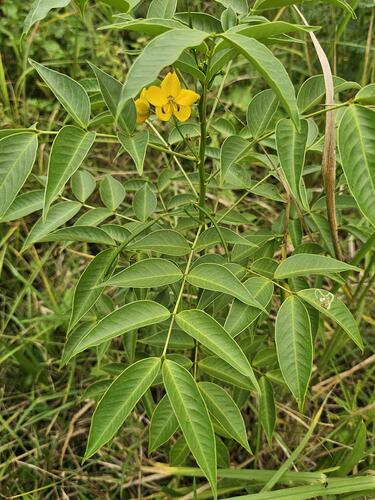
Senna septemtrionalis is an evergreen shrub 6-13 feet (2-4 m) tall and 5-10 feet (1.5-3 m) wide, with an erect, open framework. The leaves are pinnate, 3-6 inches (8-15 cm) long, with three to four pairs of glossy green oval leaflets and a small gland near the base of the leaf stalk. Cup-shaped bright yellow flowers about 1-1.5 inches (25-40 mm) across open in clusters at the branch tips, mainly from autumn into winter. Cylindrical pods 3-5 inches (8-13 cm) long follow, ripening brown and splitting to release many seeds. S. septemtrionalis is native to Mexico, Central America, and South America, but has naturalised widely and is regarded as an invasive environmental weed in parts of eastern Australia, where it spreads by seed along watercourses, roadsides, and disturbed bushland. The foliage and seeds contain compounds that can cause poisoning in livestock and pets if eaten. Plants are relatively short-lived but seed prolifically, so infestations persist.
Native Range
Senna septemtrionalis is native to Mexico, Central America, and South America. It has naturalised in Australia, New Zealand, southern Africa, and other warm regions.Suggested Uses
S. septemtrionalis has been grown as a fast yellow-flowering screen in warm-climate gardens. In parts of Australia where it has naturalised as an environmental weed, it is managed as a plant to control rather than cultivate.How to Identify
Appearance
Size & Dimensions
Height6' - 13'
Width/Spread5' - 10'
Bloom Information
Flowering occurs mainly from autumn into winter, roughly April to August in the naturalised range, and can extend into other seasons in warm climates. Cup-shaped bright yellow flowers open in clusters at the branch tips. Cylindrical pods develop afterward and ripen brown.
Detailed Descriptions
Foliage Description
glossy greenGrowing Conditions
Sun Requirements
Requires 6-9 hours of direct sunlight daily
• Full Sun: 6+ hours of direct sunlight
• Partial Shade: 3-6 hours of direct sunlight
• Full Shade: Less than 3 hours of direct sunlight
Care & Maintenance
Care Guide
S. septemtrionalis grows in full sun to part shade across a wide range of soils and tolerates dry periods once established. It grows quickly from seed and spreads where seedlings are not controlled. It withstands light frost in USDA zones 9-11, with foliage damaged by harder frost. It is regarded as an invasive environmental weed in parts of Australia, where its seeding into bushland and along waterways is a recognised problem. The foliage and seeds are reported to be poisonous to grazing animals.Pruning
Cutting back the stems controls size but prompts vigorous regrowth, and removing the pods before they ripen reduces seed spread. S. septemtrionalis reshoots strongly from cut stems. Stems can be cut to ground level, though regrowth follows quickly.Pruning Schedule
Prune: August–September
winter