Sedum, Genus,
- Genus
stonecrop
Northern Hemisphere; centers of diversity in Europe, western Asia, and Central Asia; rocky outcrops, alpine screes, and dry woodland margins
Overview
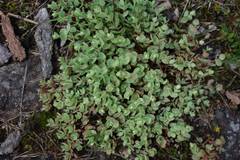
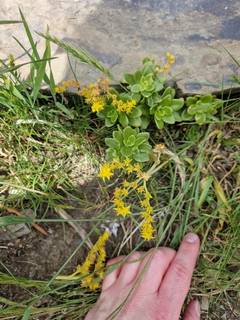
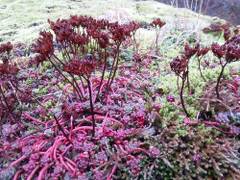
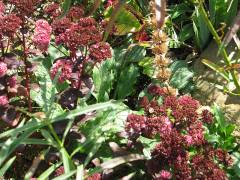
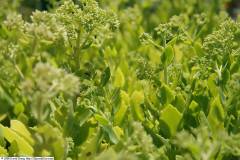
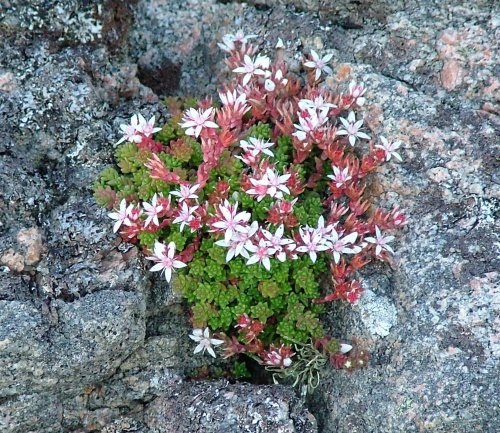
Sedum is a large genus of succulent herbs and subshrubs in Crassulaceae, comprising approximately 400 species native primarily to the Northern Hemisphere. Garden stonecrops range from low mat-forming groundcovers 1-3 inches (2.5-7.5 cm) tall to upright border perennials 12-24 inches (30-60 cm) tall. The defining characteristic is thick fleshy water-storing leaves — typically small, rounded to cylindrical, glaucous to bright green, arranged spirally on the stem. Flowers are 5-petaled, star-shaped, produced in flat-topped or dome-shaped cymes in yellow, white, pink, or red depending on species. Low-growing species such as S. acre and S. spurium serve as groundcovers; taller species such as S. spectabile (now reclassified as Hylotelephium spectabile by some authorities) are herbaceous border plants. Hardiness, size, and cultural requirements vary by species and should be verified for individual selections. Sharp drainage is the primary cultural requirement — wet winter soils cause crown rot. Some species, including S. acre, spread and self-seed aggressively in garden conditions. This entry represents the genus.
Native Range
Sedum species are native across the Northern Hemisphere, with centers of diversity in Europe, western Asia, and Central Asia. Individual species occupy habitats from coastal cliffs and rocky outcrops to alpine screes and dry woodland margins. Several species have naturalized widely outside their native ranges. Some species are native to North America.Suggested Uses
Low-growing species are grown as groundcovers, rock garden subjects, green roof plantings, and container edges in full sun and sharply drained conditions, spaced 6-12 inches (15-30 cm) apart. Taller upright species are grown in mixed borders and pollinator gardens, spaced 18-24 inches (45-60 cm) apart. Drought tolerance and low maintenance needs suit dry full-sun Pacific Northwest sites with sharp drainage. Non-toxic. Deer-resistant. Hardy in zones 3-9. This entry represents the genus.How to Identify
Appearance
Size & Dimensions
Height1" - 2'
Width/Spread6" - 2'
Bloom Information
Bloom period varies by species, ranging from May through October. Low-growing groundcover types (e.g., S. acre, S. spurium) typically flower May-July; upright border types (e.g., S. spectabile) flower August-October. Flowers are 5-petaled, star-shaped, in flat-topped or dome-shaped cymes in yellow, white, pink, or red.
Detailed Descriptions
Flower Description
yellow, white, pink, or red depending on species; 5-petaled, star-shaped, in flat-topped or dome-shaped cymesFoliage Description
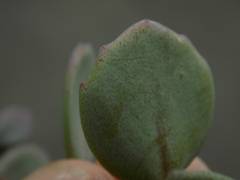
glaucous green to gray-green; thick and fleshy, water-storing; small, rounded to cylindrical, arranged spirally on the stemGrowing Conditions
Sun Requirements
Requires 4-12 hours of direct sunlight daily
• Full Sun: 6+ hours of direct sunlight
• Partial Shade: 3-6 hours of direct sunlight
• Full Shade: Less than 3 hours of direct sunlight
Care & Maintenance
Care Guide
Site in full sun (4-12 hours direct sun) in well-drained to dry lean soil. Sharp drainage is the critical requirement — waterlogged or wet winter soils cause crown rot and plant death. Poor, rocky, and sandy soils are tolerated; lean soils promote compact healthy growth. Drought tolerance is high once established for most species. No fertilization is required in fertile soils; excess nitrogen promotes floppy growth. Non-toxic. Deer-resistant. Hardy in zones 3-9.Pruning
Low-growing groundcover species require no pruning. Taller upright border species (e.g., S. spectabile types) can be cut back to the ground in late winter (February-March) before new growth emerges. Flower heads on upright types can be left standing through winter for structure and seasonal interest. Divide clumps of upright types every 3-4 years to maintain vigor.Pruning Schedule
Prune: February–March
early spring
Container Growing
Suitable for container growing
Minimum container size: 1 gallons