Sambucus, Genus, nigra, Species, 'Black Lace', Cultivar,
- Genus & species
- Cultivar
black lace elderberry
Species native to Europe, northern Africa, and southwestern Asia; hedgerows, woodland edges, and disturbed areas; cultivar 'Black Lace' developed in England by East Malling Research
Overview
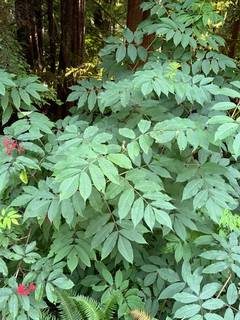
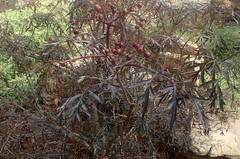
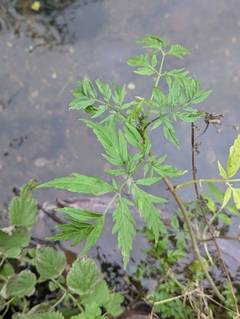
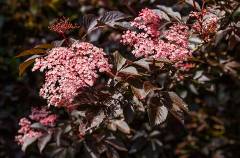
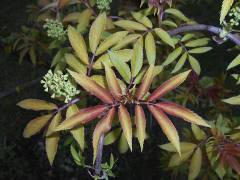
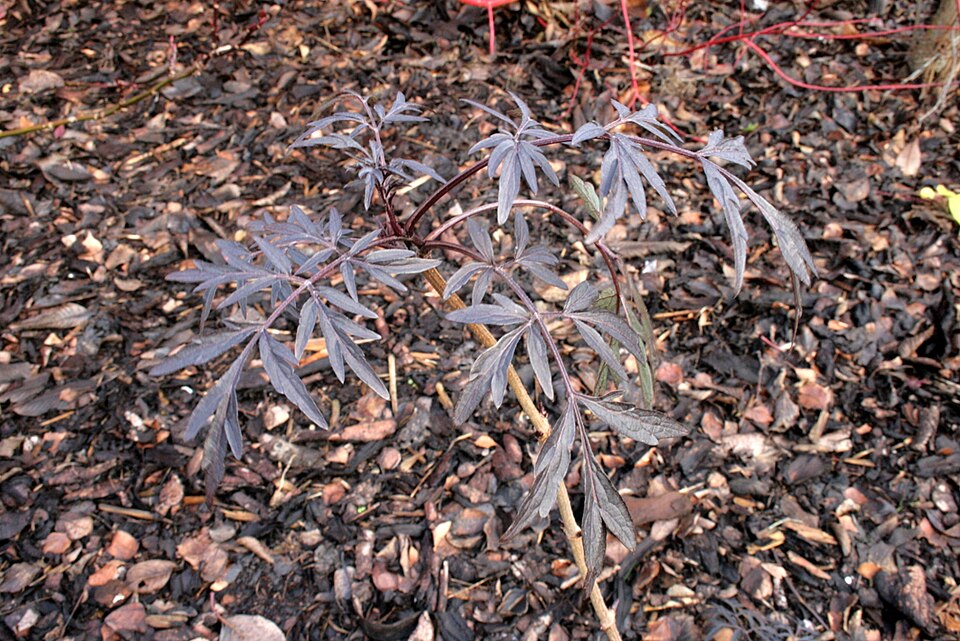
Sambucus nigra 'Black Lace' is an upright deciduous shrub growing 6-10 feet (1.8-3 m) tall and 6-8 feet (1.8-2.4 m) wide. Pale pink to rose-pink flowers are carried in flat-topped cymes, 4-8 inches (10-20 cm), in June for about 3 weeks, with a light lemony muscat scent. Black berries follow in late summer. Foliage is near-black to dark purple with deeply dissected pinnately compound lacy leaflets (5-7 per leaf), resembling Japanese maple foliage — the dark color is most intense in full sun and fades toward purple-green in shade. Also marketed under the cultivar registration name 'Eva' PBR. Developed in England by East Malling Research. Hard pruning in late winter is the primary maintenance requirement — cutting all stems to 12-18 inches (30-45 cm) in February-March stimulates vigorous new growth with the strongest dark color and a compact form. Without annual hard pruning, plants become leggy and foliage color weakens. Raw (unripe or uncooked) berries, leaves, stems, bark, and roots contain cyanogenic glycosides and are toxic to pets and humans; cooked ripe berries are safe and are traditionally used in elderberry syrup and wine. This raw-plant toxicity is the primary safety consideration. Drought-tolerant once established. Deer-resistant.
Native Range
Species S. nigra is native to Europe, northern Africa, and southwestern Asia, in hedgerows, woodland edges, and disturbed areas. Cultivar 'Black Lace' was developed in England by East Malling Research.Suggested Uses
Grown as a dark-foliaged accent in mixed borders, edible-fruit gardens (cooked use only), and as a cold-climate alternative to Japanese maple where zone hardiness is a constraint, spaced 6-8 feet (1.8-2.4 m) apart. Near-black foliage. Cooked ripe berries are edible. Raw plant parts are toxic. Deer-resistant. Hardy in zones 4-7.How to Identify
Appearance
Size & Dimensions
Height6' - 10'
Width/Spread6' - 8'
Bloom Information
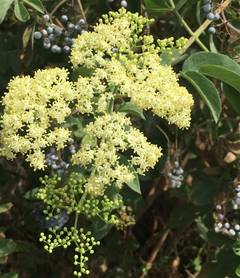
Early summer (June). Pale pink to rose-pink tiny flowers in flat-topped umbel-like cymes, 4-8 inches (10-20 cm). Light lemon-muscat scent. 3 weeks. Bee- and butterfly-visited. Black berries follow in late summer (cook ripe berries before eating; raw plant parts are toxic).
Detailed Descriptions
Flower Description
pale pink to rose-pink, tiny, in large flat-topped umbel-like cymes 4-8 inches (10-20 cm) across; June; lightly fragrant (lemony muscat scent); pink flowers contrast with the near-black foliage; followed by black berries in late summerFoliage Description
near-black to dark purple in full sun, dark purple-green in partial shade; deeply dissected pinnately compound lacy leaflets with 5-7 deeply cut leaflets that resemble Japanese maple foliage; full sun is required for the darkest color intensityGrowing Conditions
Sun Requirements
Requires 4-12 hours of direct sunlight daily
• Full Sun: 6+ hours of direct sunlight
• Partial Shade: 3-6 hours of direct sunlight
• Full Shade: Less than 3 hours of direct sunlight
Care & Maintenance
Care Guide
Site in full sun (4-12 hours direct sun — full sun for the darkest foliage color) in almost any well-drained soil with a pH of 5.5-7.5 (clay, loam, and sand are tolerated). Drought-tolerant once established. Hard pruning in late winter (February-March) to 12-18 inches (30-45 cm) is the primary maintenance task — this produces the strongest dark color and a compact form. Raw plant parts (unripe berries, leaves, stems, bark, roots) contain cyanogenic glycosides and are toxic to pets and humans; cooked ripe berries are safe for human consumption. Deer-resistant. Hardy in zones 4-7.Pruning
Hard prune in late winter (February-March) — cut all stems to 12-18 inches (30-45 cm). This stimulates vigorous new growth with the strongest dark foliage color and a compact form. Without annual hard pruning, plants become leggy and the foliage color weakens. Hard pruning sacrifices the current season's flowers, so growers must choose between flowers/fruit and the most compact dark-foliaged form.Pruning Schedule
Prune: February–March
early spring