Sambucus, Genus, nigra, Species,
- Genus & species
black elder
Europe, North Africa, and western Asia
Overview
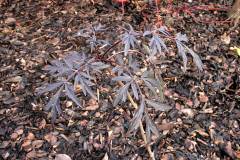
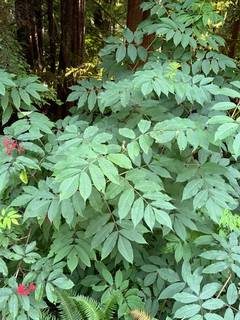
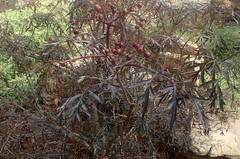
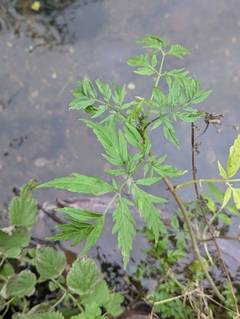
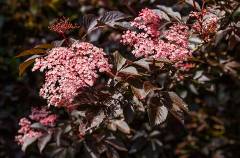
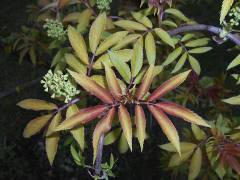
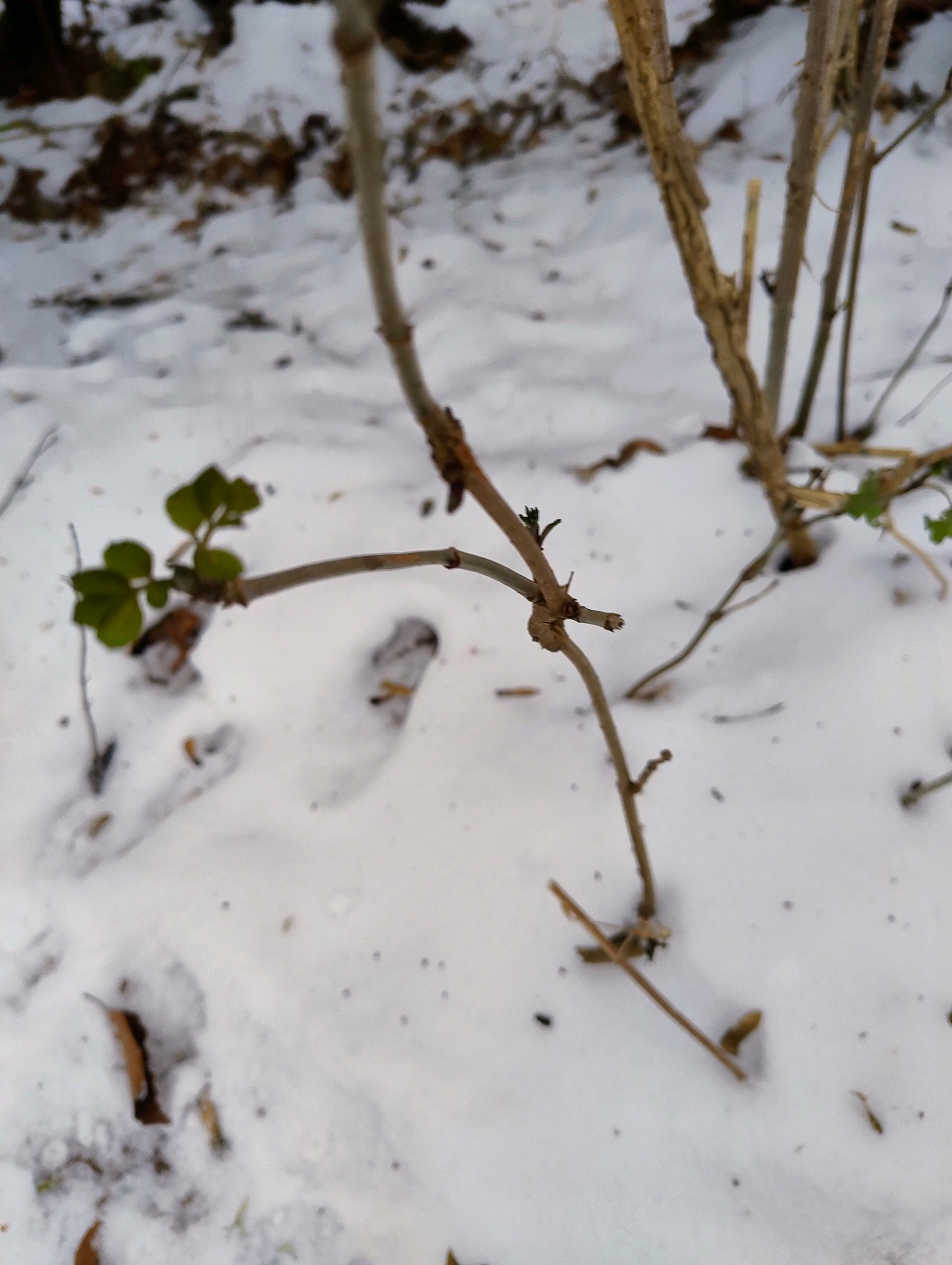
Sambucus nigra is a fast-growing deciduous shrub or small tree in the moschatel family, reaching 10-20 feet (3-6 m) tall and wide, occasionally to 30 feet (9 m). The arching stems carry pinnate leaves with five to seven toothed leaflets 2-5 inches (5-13 cm) long, mid green and rank-smelling when crushed. Flat-topped clusters of small creamy-white flowers, each cluster 4-10 inches (10-25 cm) across, open from late spring into early summer with a musky-sweet scent. The flowers are followed by hanging clusters of glossy black-purple berries about 0.2 inch (5 mm) across that ripen from August into September. Stems are pithy and brittle, and the shrub suckers from the base to form a broad clump. Growth is rapid, adding 3-6 feet (0.9-1.8 m) in a season on young plants. Leaves, bark, roots, and unripe berries contain cyanogenic glycosides that cause nausea and vomiting if eaten raw.
Native Range
Native to Europe, North Africa, and western Asia. Grows in hedgerows, woodland edges, riverbanks, scrub, and waste ground on moist, nitrogen-rich soils from lowland to about 5,000 feet (1,500 m). Widely naturalized beyond its native range.Suggested Uses
Grown in wildlife hedges, woodland edges, and informal shrub borders at 8-12 foot (2.4-3.7 m) spacing. Flowers and cooked ripe berries are used in cordials, wines, and preserves. The suckering habit and brittle stems make it less suited to small, formal gardens.How to Identify
Appearance
Size & Dimensions
Height10' - 20'
Width/Spread10' - 20'
Bloom Information
Detailed Descriptions
Foliage Description
Mid greenGrowing Conditions
Sun Requirements
Requires 4-8 hours of direct sunlight daily
• Full Sun: 6+ hours of direct sunlight
• Partial Shade: 3-6 hours of direct sunlight
• Full Shade: Less than 3 hours of direct sunlight
Care & Maintenance
Care Guide
Grows in full sun to part shade in moist, fertile soil and tolerates seasonal wetness and a wide pH range. Establishes rapidly and suckers from the base, spreading into a broad clump over a few years. Water during dry spells in the first two seasons; established plants withstand short droughts but drop leaves early in prolonged dry heat. Aphids, blackfly, and spider mites occur on soft new growth. Stems are brittle and break in wind or under snow load. Cyanogenic glycosides in leaves, stems, roots, and unripe berries cause nausea and vomiting if consumed raw, while cooking destroys the toxins in ripe berries.Pruning
Cut out one-third of the oldest stems at the base in late winter to renew the shrub. Hard pruning of all stems reduces flowering the following season. Remove suckers in spring to limit spread.Pruning Schedule
Prune: February–March
winterearly spring