Salix, Genus, repens, Species,
- Genus & species
creeping willow
Overview
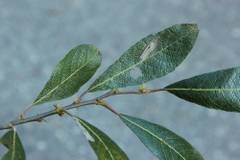
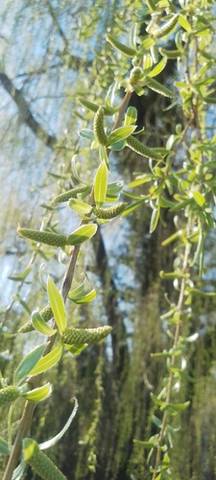
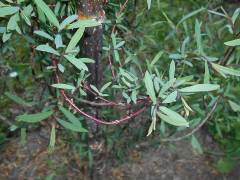
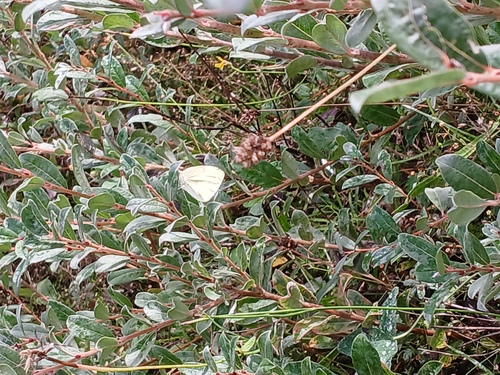
Salix repens is a low, spreading deciduous shrub in the willow family, typically 12-60 inches (30-150 cm) tall and often wider than high, spreading by suckers and rooting stems. The slender branches may creep along the ground or rise in low, rounded mounds depending on the form and site. Leaves are small, 0.4-1.4 inches (10-35 mm) long, oval to narrowly elliptic, dark green above and clothed beneath in silky silvery hairs that catch the light. Like all willows the species is dioecious, with male and female catkins on separate plants. Catkins appear from March to May, before or with the young leaves: the males yellow with pollen, the females greener and developing into fluffy white seed. The shrub grows on coastal dunes, damp heaths, fens, and moist grassland, tolerating both sandy and peaty soils. It withstands wind, salt spray, and seasonal waterlogging but needs an open, sunny position and is shaded out beneath taller scrub.
Native Range
Native across Europe and into western Asia, from the Atlantic coasts and British Isles east to Siberia. Common in Britain on dunes, heaths, and damp ground throughout.Suggested Uses
Planted for ground cover and slope or dune stabilisation on damp, sandy, or peaty soils. The early catkins support emerging spring pollinators. It is used in coastal and wetland naturalistic schemes and informal low hedging.How to Identify
Appearance
Size & Dimensions
Height1' - 5'
Width/Spread3' - 6'
Bloom Information
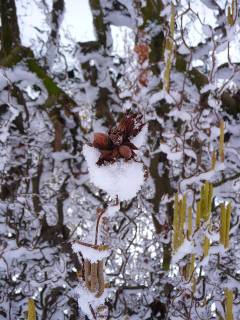
Catkins open from March to May, ahead of or alongside the emerging leaves. Male and female catkins grow on separate plants, the males supplying early pollen and nectar to bees and other insects. Female catkins ripen by early summer into masses of white, cottony, wind-borne seed.
Detailed Descriptions
Foliage Description
greenGrowing Conditions
Sun Requirements
Requires 6-10 hours of direct sunlight daily
• Full Sun: 6+ hours of direct sunlight
• Partial Shade: 3-6 hours of direct sunlight
• Full Shade: Less than 3 hours of direct sunlight