Salix, Genus, cinerea, Species,
- Genus & species
grey willow
Europe, western Asia, and North Africa
Overview
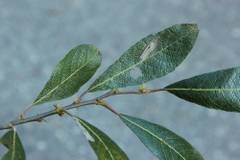
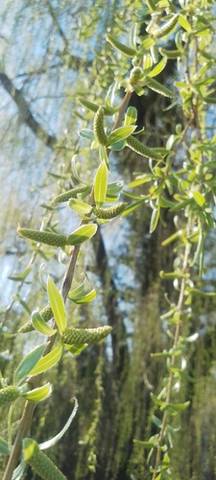
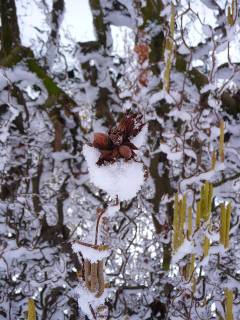
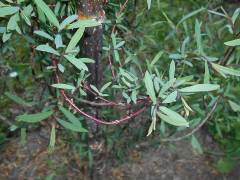
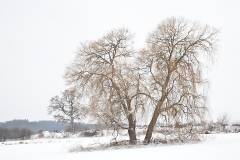
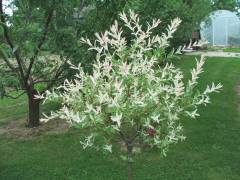
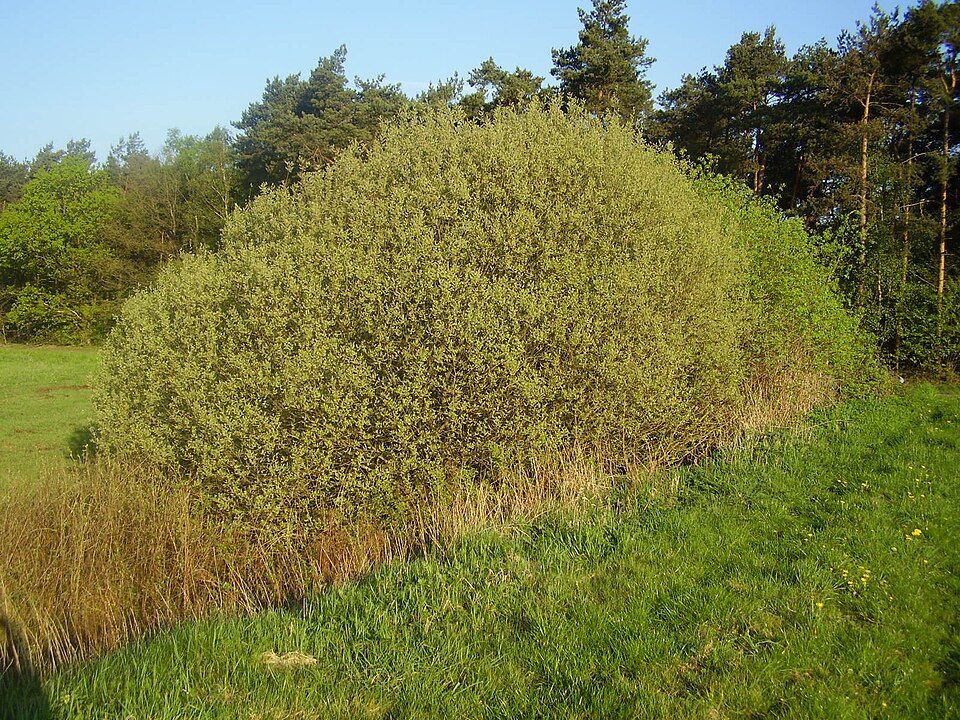
Salix cinerea is a vigorous, multi-stemmed deciduous shrub or small tree of the willow family, reaching 13-50 feet (4-15 m) tall with a dense, rounded crown. The young twigs and the undersides of the leaves are clothed in grey down, giving the plant its name, and the leaves are obovate, 1.5-4 inches (4-10 cm) long, broadest above the middle with finely toothed margins. It is dioecious, with male and female catkins on separate plants; the silvery male catkins, the familiar pussy willow, open on bare stems in early spring before the leaves and turn yellow with pollen. Female catkins ripen into fluffy, wind-borne seed by early summer. It grows in fens, wet woodland, marshes, ditches, and the margins of ponds and lakes, tolerating waterlogged, mildly acidic to neutral soils. It spreads quickly by seed and by stems that root where they touch wet ground, and can colonize damp open land densely. Native across Europe and into western Asia and North Africa, it is a widespread willow across the British Isles. Brittle stems and a suckering habit make it short-lived in tidy settings.
Native Range
Salix cinerea is native across Europe and into western Asia and North Africa. It is a widespread willow of wet ground throughout the British Isles.Suggested Uses
Planted for wet-ground stabilization, in wildlife and bog gardens, and in conservation schemes for fen and carr habitat. The early catkins feed insects, the foliage supports moth caterpillars, and coppiced stems are used for biomass and basketry.How to Identify
Appearance
Size & Dimensions
Height13' - 50'
Width/Spread13' - 33'
Colors
Bloom Information
Catkins open from February to April, before or with the new leaves. Male plants carry silvery, then yellow, pollen-laden catkins, while female plants bear greener catkins that ripen into fluffy seed by May or June. The early catkins are an important nectar and pollen source for emerging bees.
Detailed Descriptions
Foliage Description
grey-green, grey beneathGrowing Conditions
Sun Requirements
Requires 6-12 hours of direct sunlight daily
• Full Sun: 6+ hours of direct sunlight
• Partial Shade: 3-6 hours of direct sunlight
• Full Shade: Less than 3 hours of direct sunlight
Care & Maintenance
Care Guide
Grows in full sun to part shade on permanently moist to wet soils, including waterlogged clay, fen peat, and pond margins. A soil pH from 5.5 to 7.5 suits it, and it tolerates flooding and exposure. It grows fast and roots easily from cuttings or fallen stems, so it can spread widely on damp ground. The brittle branches shed in wind, and the dense suckering habit needs regular cutting back in managed settings. It coppices strongly, regrowing from cut stumps. It is hardy to USDA zone 4.Pruning
Stems are coppiced or pollarded in late winter to control size and renew growth, and the plant regrows strongly from cut stumps. Dead and crossing branches are removed at the same time. Cutting is held off in spring when sap rises and catkins form.Pruning Schedule
winter