Salix, Genus, ×, Hybrid, matsudana, Species, ×, Hybrid, alba, Subspecies,
- Genus & species
- Hybrid
- Subspecies
willow hybrid tree
Overview
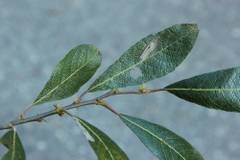
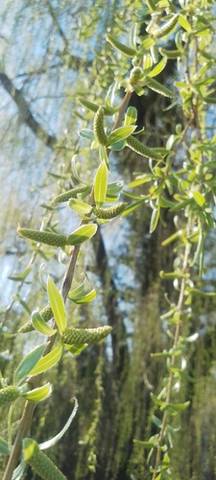
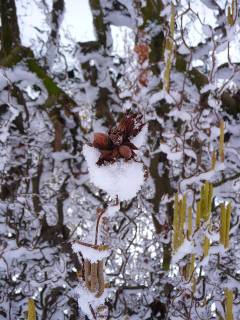
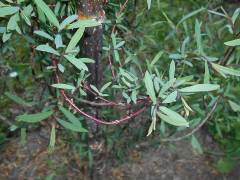
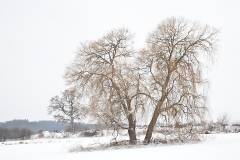
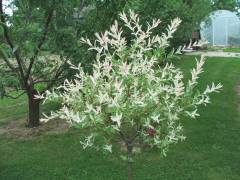
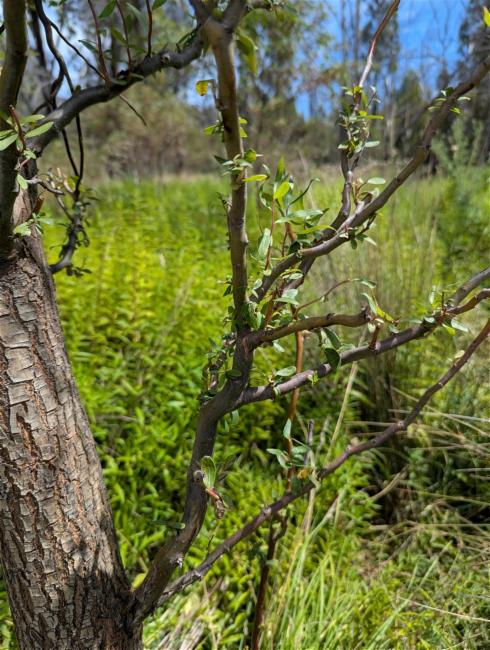
Salix matsudana × S. alba is a fast-growing deciduous tree reaching 35-50 feet (10-15 m) tall and 15-25 feet (4.5-7.5 m) wide at maturity, with an upright oval to pyramidal canopy and a single trunk or multiple stems from cuttings. Bark is gray-brown with shallow ridges, becoming furrowed with age. Lance-shaped leaves are 3-5 inches (7-13 cm) long and 0.5-0.8 inch (1.3-2 cm) wide, olive-green above with a paler underside, turning yellow before dropping in autumn. Catkins appear in early spring before leaf-out; male and female catkins occur on separate trees, 1-2 inches (2.5-5 cm) long, yellow-green. The hybrid is largely sterile and rarely produces viable seed. Growth rate is rapid at 6-10 feet (1.8-3 m) per year in moist soils during the first 5 years, slowing after age 10. The tree is short-lived; mature specimens usually decline within 15-30 years from canker diseases or wind breakage. Roots are aggressive and shallow, extending 2-3 times the canopy width, and are known to invade septic fields, drainage tiles, and sewer lines.
Native Range
This hybrid willow is a cross between Salix matsudana (native to northern China and Korea) and S. alba (native to Europe, North Africa, and central Asia). The cross was made for biomass and windbreak use; named selections were developed in Australia and New Zealand in the late 20th century and introduced to North American horticulture by the 1990s.Suggested Uses
Planted as a fast-growing windbreak, screen, or shelterbelt at 8-12 foot (2.4-3.7 m) spacing in zones 4-9. Used for streambank stabilization and short-rotation biomass on moist sites. Container culture is not practical because of mature size and root vigor.How to Identify
Appearance
Size & Dimensions
Height35' - 50'
Width/Spread15' - 25'
Bloom Information
Catkins emerge from late March through April in zones 4-7 and from early March in zones 8-9. Male catkins last 7-14 days and shed pollen; female catkins last 14-21 days. Bloom occurs before leaf emergence; cool spring weather extends pollen shed by 5-10 days.
Detailed Descriptions
Foliage Description
olive-green above, paler beneath; yellow in fallGrowing Conditions
Sun Requirements
Requires 6-10 hours of direct sunlight daily
• Full Sun: 6+ hours of direct sunlight
• Partial Shade: 3-6 hours of direct sunlight
• Full Shade: Less than 3 hours of direct sunlight
Care & Maintenance
Care Guide
Water deeply twice weekly during the first growing season; established trees tolerate periodic flooding and 4-6 weeks without rain. Willow leaf spot (Marssonina salicicola) and twig canker (Cytospora chrysosperma) are common in zones 5-8 and cause defoliation in wet years; fallen leaves left in place sustain inoculum that infects the next season's foliage. Aphids, willow sawfly (Nematus ventralis), and gypsy moth (Lymantria dispar) feed on foliage in summer. Iron chlorosis develops on alkaline soils above pH 7.5 in arid climates. Storm damage is frequent because of brittle wood; broken limbs ranging from 1-6 inches (2.5-15 cm) in diameter drop during high winds. Aggressive root systems extend 2-3 times the canopy width and damage septic fields, drainage tiles, foundations, and sewer lines within 50 feet (15 m).Pruning
Pruning in late winter to early spring before bud break removes dead, broken, or low branches. Coppicing every 3-5 years to within 6 inches (15 cm) of the ground produces dense regrowth used for biomass and basket-making; coppiced stumps can resprout for 50 or more years. Storm damage prompts mid-season corrective cuts to remove broken limbs. Pruning when leaves are wet promotes spread of fungal cankers; cuts during dry weather reduce infection.Pruning Schedule
Prune: February–March
winter