Salix, Genus, discolor, Species,
- Genus & species
white pussy willow
Northern North America (Canada and northern United States from Newfoundland to British Columbia, south to West Virginia and Wyoming)
Overview
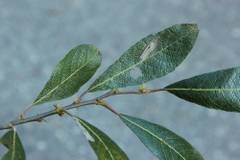
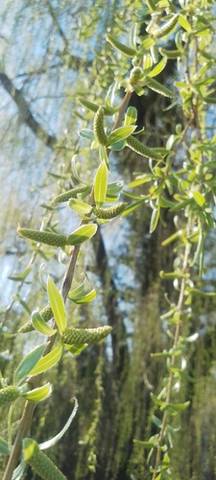
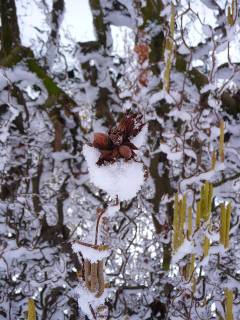
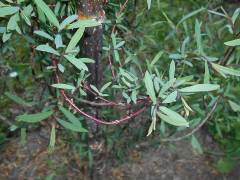
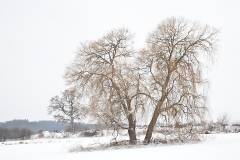
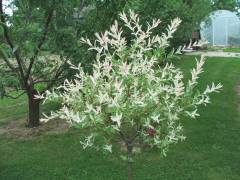
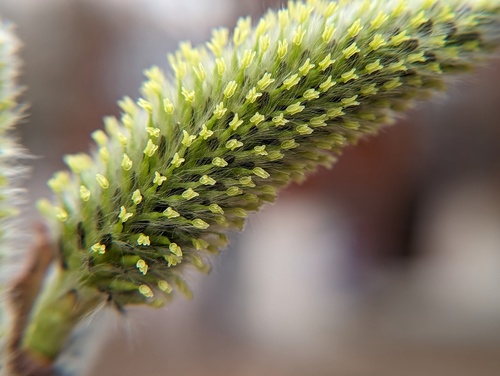
Salix discolor is a deciduous large shrub or small tree native to North America, reaching 6-20 feet (1.8-6.0 m) tall and 8-15 feet (2.4-4.5 m) wide, often multi-stemmed from the base. Bark gray-brown and smooth on young stems, becoming furrowed on trunks over 4 inches (10 cm) in diameter. Lance-shaped to oblong leaves are 2-4 inches (5-10 cm) long and 0.5-1.5 inches (1.3-4 cm) wide, dark green and glossy above, glaucous and densely white-hairy below; leaves emerge after catkins. Plants are dioecious. Silvery-gray catkins, 0.75-1.5 inches (2-4 cm) long, appear in late winter through early spring on bare stems before leaf-out; male catkins develop yellow pollen anthers as bloom progresses, female catkins are smaller and yellow-green. Hardy to zone 2 (-50°F / -46°C). Tolerates seasonally wet soils and brief flooding up to 4 weeks; drought tolerance is low and leaf scorch develops within 2-3 weeks of soil drought. Susceptible to scale, willow leaf beetle, and stem cankers; cut-stem infestations spread within 30-60 days of infection. Spreads by root suckers in moist soils; mature clumps reach 12-15 feet (3.7-4.5 m) wide if suckers are not removed.
Native Range
Native to most of Canada and the northern United States, from Newfoundland and Labrador west to British Columbia, south to Maryland, the Appalachian Mountains of West Virginia, northern Indiana, Iowa, and Wyoming. Occurs in marshes, stream banks, wet meadows, and lake margins from sea level to 5,000 feet (1,500 m) elevation.Suggested Uses
Used in moist or wet sites including rain gardens, pond edges, and bioswales, spaced 6-10 feet (1.8-3.0 m) apart in zones 2-7. Planted as a winter accent shrub for catkin display in mixed shrub borders. Grown in 15-25 gallon (57-95 L) containers for cut-stem production; container plants typically reach 6-8 feet (1.8-2.4 m) and require winter watering in zones 5 and below.How to Identify
Appearance
Size & Dimensions
Height6' - 20'
Width/Spread8' - 15'
Bloom Information
February through April in zones 4-7, with peak catkin display 2-3 weeks before leaf-out. Individual catkins remain in silvery-gray bud stage 2-3 weeks before pollen anthers emerge on male plants. Total bloom period spans 4-6 weeks. Bloom occurs 4-6 weeks earlier in zones 6-7 than in zones 2-4 due to warmer late-winter temperatures.
Detailed Descriptions
Flower Description
silvery gray catkins, yellow as anthers emergeFoliage Description
dark greenGrowing Conditions
Sun Requirements
Requires 4-12 hours of direct sunlight daily
• Full Sun: 6+ hours of direct sunlight
• Partial Shade: 3-6 hours of direct sunlight
• Full Shade: Less than 3 hours of direct sunlight
Care & Maintenance
Care Guide
Water weekly during the first growing season; established plants require 1 inch (2.5 cm) of weekly water through dry periods. Apply 2-3 inches (5-7.5 cm) of organic mulch in spring; mulch maintains soil moisture and reduces leaf scorch. Willow leaf beetles defoliate plants in May through July; populations decline with cold winter temperatures below 0°F (-18°C). Bacterial wetwood and cankers develop on stressed or improperly pruned wood; cuts made in late winter rather than during active growth reduce infection rates by 60-80%. Container plants in pots smaller than 15 gallons (57 L) require watering every 2-3 days in summer and become rootbound within 3 years.Pruning
Cut older stems to 6-12 inches (15-30 cm) above ground in late winter every 3-5 years to maintain a vigorous shrub form and reduce canker incidence. Remove suckers at ground level monthly during the growing season or thin to allow controlled spread. Coppice pruning to ground level every 6-8 years on cut-flower production plants produces 4-6 foot (1.2-1.8 m) straight stems with prominent catkins the following spring.Pruning Schedule
Prune: February–March
winter
Container Growing
Suitable for container growing
Minimum container size: 15 gallons