Image 1 of 8
1 / 8
Plant Reference
Salix, Genus, babylonica, Species, 'Tortuosa', Cultivar,
- Genus & species
- Cultivar
corkscrew willow
Species native to northern China; 'Tortuosa' is a contorted-stem cultivar selected from {Salix matsudana} or {S. babylonica} (taxonomic authorities differ on the parent species)
Overview
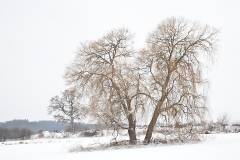
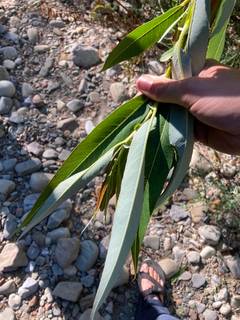
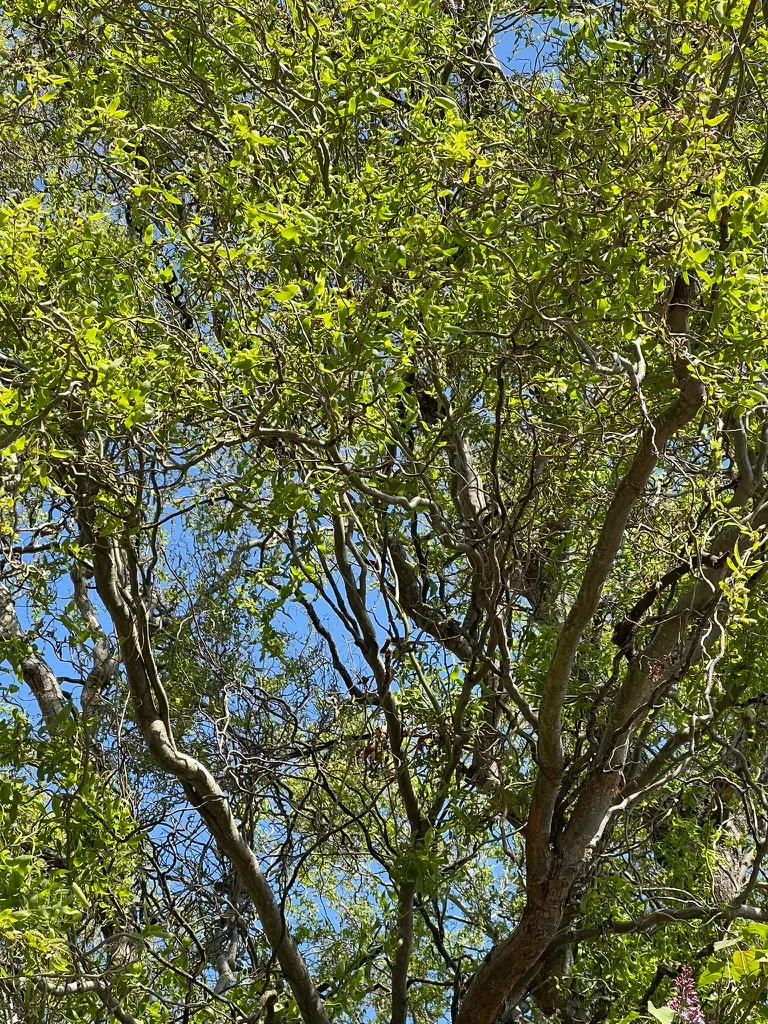
Salix babylonica 'Tortuosa' is an upright deciduous tree in the family Salicaceae reaching 25–40 feet (7.5–12 m) tall and 15–25 feet (4.5–7.5 m) wide with contorted twisted spiraling branches and stems that give the cultivar its common names corkscrew willow and curly willow. The trunk and main limbs develop normally in the first few years and then begin producing the twisted branching pattern on the secondary and tertiary growth, so the contorted silhouette develops gradually as the tree matures and is most visible on the outer canopy of established specimens. Leaves are narrow lance-shaped, 2–5 inches (5–13 cm) long, medium green, and also twisted and curled along the length of the blade, so the foliage echoes the contorted stem habit through the growing season. Yellow-green catkins 1–2 inches (2.5–5 cm) long open with the new leaves in March and April and are wind-pollinated and worked lightly by early-season bees. Fall color is a clean yellow before leaf drop. Growth is rapid at 3–5 feet (0.9–1.5 m) per year in moist soil. The contorted branches are harvested in winter for florist and craft use, and the cut stems hold the twisted shape in floral arrangements and dried decorations. Some taxonomic authorities classify this cultivar under Salix matsudana 'Tortuosa' rather than S. babylonica 'Tortuosa', and 'Tortuosa' is commonly sold under either name depending on the nursery source. Limitation: 'Tortuosa' shares the aggressive water-seeking root system of the parent species, with roots extending 2–3 times the canopy spread (30–75 feet / 9–23 m from the trunk) that invade sewer lines, septic systems, drain tile fields, water supply lines, and foundation footings where they find moisture; sites within 75 feet (23 m) of underground utilities, septic systems, or buildings are unsuitable for this cultivar. The wood is brittle and branches fail in ice storms and high winds, calling for frequent cleanup throughout the growing season, and the cultivar is short-lived for a tree at 20–30 years. Borers, cankers, and twig blight all affect the species through the growing season.
Native Range
The species Salix babylonica is native to northern China, and the cultivar 'Tortuosa' was selected for its contorted twisted stems and introduced to Western cultivation as a florist and ornamental selection. Some taxonomic authorities classify the cultivar under Salix matsudana (Chinese willow, sometimes treated as a separate species from S. babylonica) rather than under S. babylonica, and nurseries sell the cultivar under both names depending on the source of the propagation material.Suggested Uses
Used as a specimen tree near ponds, lakes, rain gardens, and other large open moist sites at 15–25 foot (4.5–7.5 m) spacing where the contorted winter silhouette is the reason for planting and where the 30–75 foot (9–23 m) root spread of the water-seeking system will not reach any underground feature. The cut branches supply florist and craft material through winter. Small residential lots, positions near buildings, driveways, septic systems, and buried utility corridors are unsuitable because of the root invasion risk, the brittle wood storm damage pattern, and the short 20–30 year lifespan of the cultivar.How to Identify
Appearance
Size & Dimensions
Height25' - 40'
Width/Spread15' - 25'
Bloom Information
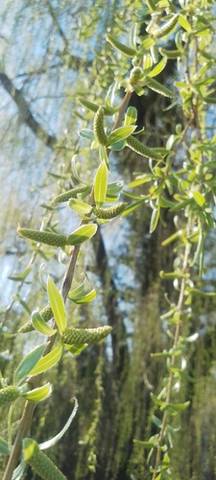
Yellow-green catkins 1–2 inches (2.5–5 cm) long open with the new leaves in March and April and are wind-pollinated and worked lightly by early-season bees emerging from overwintering. The bloom is inconspicuous and is not an ornamental feature of the cultivar, which is grown for the contorted winter silhouette and the twisted foliage rather than for floral display.
Detailed Descriptions
Flower Description
yellow-green catkins 1-2 inches (2.5-5 cm) long opening in March and April with the new leaves; inconspicuous and wind-pollinatedFoliage Description
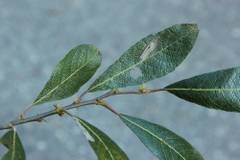
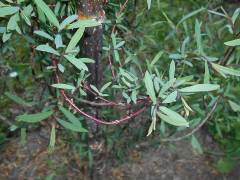
medium green through the growing season; narrow lance-shaped, 2-5 inches (5-13 cm) long, twisted and curled along the length of the blade — the curled leaves echo the contorted stem habit; turns yellow in fallGrowing Conditions
Sun Requirements
Requires 6-10 hours of direct sunlight daily
• Full Sun: 6+ hours of direct sunlight
• Partial Shade: 3-6 hours of direct sunlight
• Full Shade: Less than 3 hours of direct sunlight
Care & Maintenance
Care Guide
Site in full sun with 6–10 hours of direct sun per day in consistently moist soil with a pH of 5.5–8.0. The cultivar tolerates clay and loam and establishes rapidly on moist to wet sites including pond banks and stream edges. Sites within 75 feet (23 m) of sewer lines, septic systems, drain tile fields, water supply lines, and foundation footings are unsuitable for this cultivar because the aggressive water-seeking root system extends 2–3 times the canopy spread and invades any underground water source. The brittle wood calls for frequent cleanup of fallen branches after ice storms and high wind events, and borers, cankers, and twig blight all affect the cultivar through the growing season without producing mortality but shortening the productive life. The short 20–30 year lifespan should be planned for from the start. Hardy in USDA zones 4–8.Pruning
Pruning is done in winter (January and February) while the tree is dormant. Dead, broken, and crossing branches are removed after every significant storm event because the brittle wood fails repeatedly. The contorted branch structure is the feature of the cultivar and is preserved by removing only structurally problematic limbs rather than straightening or training the canopy. Contorted branches can be harvested in winter while dormant for florist and craft use, and the cut stems hold the twisted shape indefinitely in dried arrangements. Formative pruning is kept to the minimum needed because heavy cuts stimulate water sprouts that weaken the brittle framework.Pruning Schedule
Prune: January–February
winter