Image 1 of 14
1 / 14
Plant Reference
Salix, Genus, scouleriana, Species,
- Genus & species
Scouler’s willow
Western North America — from Alaska south through British Columbia, Washington, Oregon to California; also east to the Rocky Mountains; dry forest interiors, forest edges, disturbed sites, stream banks, and subalpine meadow margins
Overview
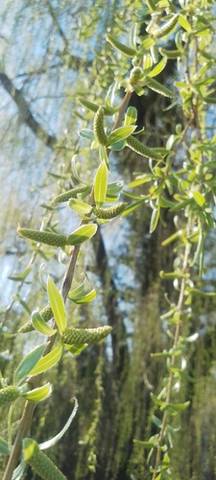
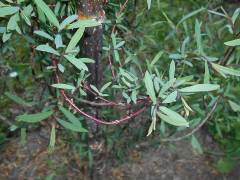
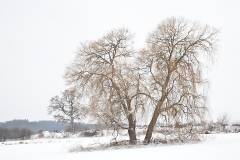
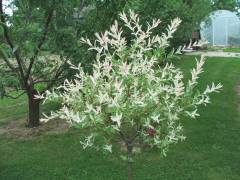
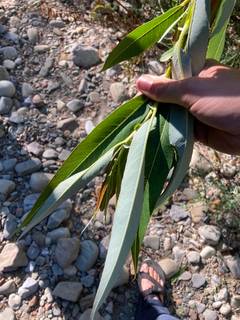
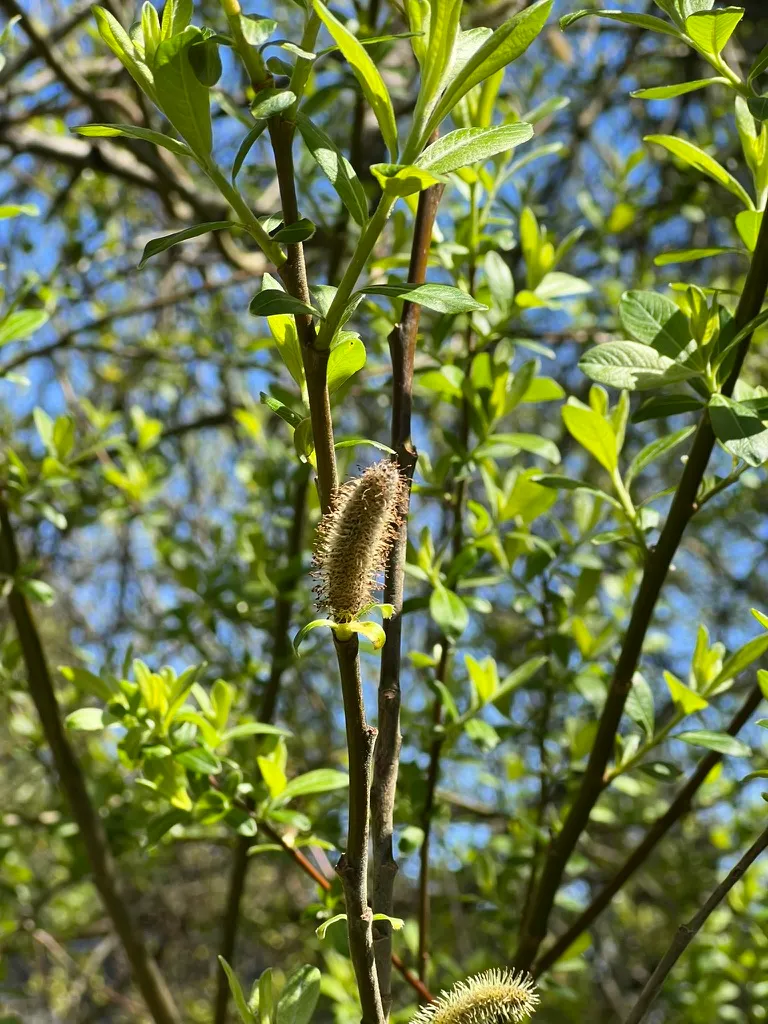
Salix scouleriana is Scouler's willow, an upright deciduous large shrub or small tree growing 6-25 feet (1.8-7.5 m) tall and 6-15 feet (1.8-4.5 m) wide. Silvery-gray catkins (pussy willows) on bare branches in February-April — male catkins become yellow with pollen; dioecious. Dark green oval to obovate leaves 1-3 inches (2.5-7 cm) with dense rusty to tawny woolly hairs on the underside — this felted underside is the key identification character. Turns yellow in fall. In Salicaceae. Native to western North America — Alaska through California and east to the Rocky Mountains. Named for John Scouler. Unlike most willows, S. scouleriana grows in dry upland sites — forest interiors, rocky slopes, and disturbed areas — and is not restricted to stream banks. This is the most drought-tolerant native willow in the Pacific Northwest. The early catkins are a critical early-season pollen and nectar source for native bees. The wide size range (6-25 feet / 1.8-7.5 m) depends on site conditions — smaller on dry rocky sites, larger in moist locations. Multi-stemmed — suckers from the base to form thickets. This suckering spread is the primary maintenance limitation in garden settings. Deer browse. Female trees produce cottony seed that disperses in spring. Non-toxic. Zones 3-9. Part sun to full sun. Growth rate is moderate to fast.
Native Range
Native to western North America — from Alaska south through British Columbia, Washington, Oregon to California; also east to the Rocky Mountains. Found in dry forest interiors, forest edges, disturbed sites, stream banks, and subalpine meadow margins.Suggested Uses
Grown in native plant gardens, restoration plantings, wildlife habitat, and erosion control in the Pacific Northwest, spaced 6-15 feet (1.8-4.5 m). Tolerates dry upland sites (unlike most willows). Early catkins for pollinators. Suckers to form thickets. Native to western North America. Non-toxic. Zones 3-9.How to Identify
Appearance
Size & Dimensions
Height6' - 25'
Width/Spread6' - 15'
Bloom Information
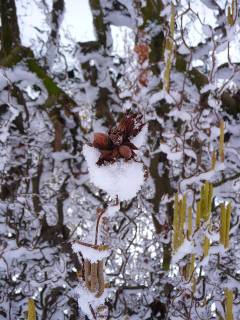
Late winter to early spring (February-April). Silvery-gray catkins (pussy willows) on bare branches. Male catkins become yellow with pollen. Dioecious. 4 weeks. Critical early pollen source for native bees. Cottony seed released April-May.
Detailed Descriptions
Flower Description
Silvery-gray catkins (pussy willows) on bare branches before leaves in February-April; male catkins become yellow with pollen; female catkins greenish; dioeciousFoliage Description
Dark green above, dense rusty to tawny woolly hairs beneath — the felted leaf underside is a reliable field identification character; oval to obovate (widest at or above the middle), 1-3 inches (2.5-7 cm); turns yellow in fallGrowing Conditions
Sun Requirements
Requires 3-10 hours of direct sunlight daily
• Full Sun: 6+ hours of direct sunlight
• Partial Shade: 3-6 hours of direct sunlight
• Full Shade: Less than 3 hours of direct sunlight
Care & Maintenance
Care Guide
Part sun to full sun (3-10 hours). Well-drained soil pH 5.5-7.5 — unlike most willows, tolerates dry upland sites. Drought-tolerant once established. Suckers from the base to form thickets — remove suckers to control spread. Female trees produce cottony seed. Deer browse. Prune after catkins fade (April-May). Non-toxic. Zones 3-9.Pruning
Prune after catkins fade (April-May). Remove oldest stems at the base for renewal. Remove unwanted suckers to control thicket formation. Can be coppiced (cut to ground) in late winter for vigorous regrowth with larger catkins the following spring.Pruning Schedule
Prune: April–May
late spring