Salix, Genus, nigra, Species,
- Genus & species
black willow
Overview
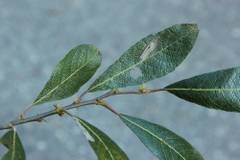
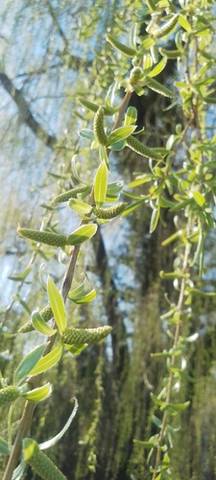
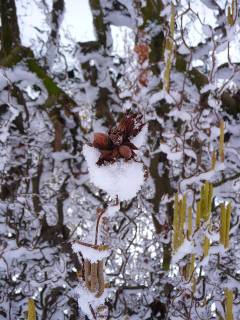
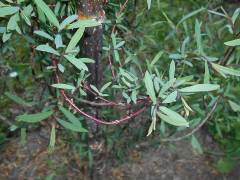
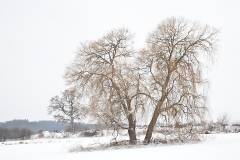
Salix nigra is a fast-growing deciduous tree in the willow family, reaching 30-60 feet (9-18 m) tall and occasionally 100 feet (30 m), often with several leaning trunks and a broad, irregular crown; mature trunks reach 3 feet (90 cm) in diameter. The narrow, lance-shaped leaves are 3-6 inches (7.5-15 cm) long, finely toothed, green on both surfaces, and taper to a long point. Dark grey-brown bark becomes deeply furrowed into shaggy, scaly ridges with age. The tree is dioecious, bearing slender yellow catkins 1-3 inches (2.5-7.5 cm) long as the leaves emerge in spring, with male and female catkins on separate trees. Female catkins ripen to capsules that release tiny, cottony seeds carried by wind and water. Salix nigra grows along rivers, lakes, and wetlands, where its dense roots bind banks and slow erosion. Limitations include brittle wood prone to storm breakage, a short lifespan of 40-75 years, and aggressive roots that seek out drains and septic lines.
Native Range
Salix nigra is native to eastern and central North America, from New Brunswick and Ontario south to Florida and Texas and west to the Great Plains, with scattered populations in the Southwest and northern Mexico. It grows in wet ground along streams, rivers, lake shores, swamps, and floodplains.Suggested Uses
Salix nigra is planted for streambank and shoreline stabilisation, in rain gardens and wet detention areas, and as a fast screen on damp ground, spaced 15-30 feet (4.5-9 m) apart. Its flexible stems are used in living stakes and bioengineering, and the early catkins support pollinators.How to Identify
Appearance
Size & Dimensions
Height30' - 60'
Width/Spread20' - 40'
Bloom Information
Salix nigra flowers in early to mid-spring, around March to May, as or just before the new leaves expand. Slender yellow catkins carry nectar and pollen that draw early bees, with male and female catkins borne on separate trees. Seed capsules ripen by early summer and shed cottony, wind-borne seed that germinates within days on wet soil.
Detailed Descriptions
Foliage Description
Green on both sides, pale yellow in fallGrowing Conditions
Sun Requirements
Requires 6-12 hours of direct sunlight daily
• Full Sun: 6+ hours of direct sunlight
• Partial Shade: 3-6 hours of direct sunlight
• Full Shade: Less than 3 hours of direct sunlight
Care & Maintenance
Care Guide
Salix nigra grows in full sun on consistently moist to wet soil and tolerates seasonal flooding, saturated ground, and heavy clay better than most trees. It establishes quickly from dormant cuttings pushed into damp soil and grows several feet per year when young. Drought and dry sites cause dieback, since the tree depends on a high water table. Cankers, willow blight, aphids, and leaf beetles are common but rarely fatal. Brittle limbs drop in storms, so the tree is kept away from buildings and paving. No fertiliser is needed on the moist, fertile sites it occupies.Pruning
Salix nigra is pruned in late winter to remove dead, broken, and crossing limbs and to reduce weight on overextended branches. It resprouts vigorously from cut stumps and can be coppiced or pollarded for cut stems and erosion plantings. Large wounds decay readily, so cuts are kept small where possible.Pruning Schedule
Prune: February–March
winter