Salix, Genus, atrocinerea, Species,
- Genus & species
rusty willow
Western and southern Europe and North Africa
Overview
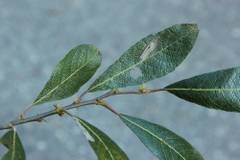
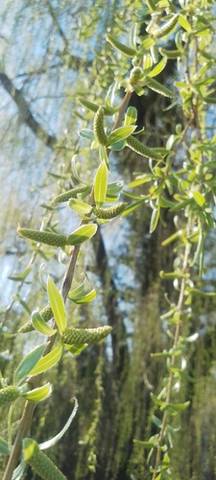
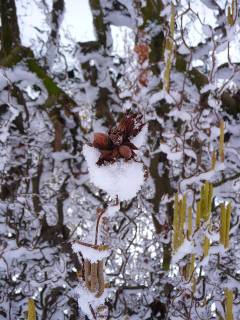
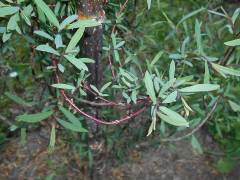
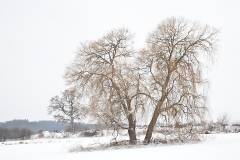
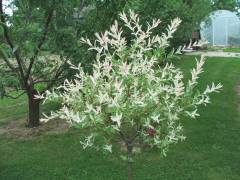
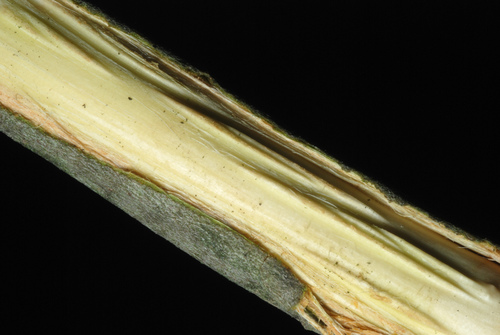
Salix atrocinerea is a deciduous shrub or small tree in the family Salicaceae, reaching 13-50 feet (4-15 m) tall, often multi-stemmed with a broad, bushy crown. The obovate to oblong leaves are 1-4 inches (2.5-10 cm) long, dull green above and grey-felted beneath, where scattered rust-coloured hairs along the veins give the species its name; the leaf edges are slightly toothed or wavy. Twigs are reddish-brown and, with the bark peeled, show short raised ridges on the wood. Like other willows it is dioecious, the male and female catkins borne on separate trees from February to April before the leaves; male catkins are silvery then yellow with pollen, female catkins greener and longer. Seeds are tiny and carried on white down. The species grows in wet woodland, carr, fen, ditch sides, hedgerows, and damp scrub across western and southern Europe and North Africa, on moist to wet soils. It is fast-growing and tolerant of wet, poor ground but short-lived for a tree, brittle-wooded, and quick to seed into damp open ground where it can become weedy.
Native Range
Native to western and southern Europe and North Africa, from Britain and Ireland south to the Iberian Peninsula and east through France and Italy. It grows in wet woodland and carr, fens, marshes, ditch and stream sides, damp hedgerows, and scrub on moist to waterlogged soils.Suggested Uses
Planted in wet woodland, on pond and stream banks, and in conservation and biomass plantings, where its fast growth stabilises wet soil and feeds early insects. The spring catkins are an early pollen and nectar source for bees, and the trees support many willow-feeding insects. It suits damp, naturalistic ground rather than small or dry gardens.How to Identify
Appearance
Size & Dimensions
Height13' - 50'
Width/Spread13' - 30'
Bloom Information
Catkins appear from February to April, before or with the emerging leaves, on separate male and female trees. Male catkins open silver-grey and turn yellow with pollen, drawing early bees and other insects, while female catkins are greener. By late spring the female catkins release tiny seeds on tufts of white down.
Detailed Descriptions
Flower Description
silver-grey to yellowFoliage Description
dull greenGrowing Conditions
Sun Requirements
Requires 5-10 hours of direct sunlight daily
• Full Sun: 6+ hours of direct sunlight
• Partial Shade: 3-6 hours of direct sunlight
• Full Shade: Less than 3 hours of direct sunlight