Salix, Genus, ×, Hybrid, fragilis, Species,
- Genus & species
- Hybrid
hybrid crack willow
Europe and western Asia; naturalized widely along waterways
Overview
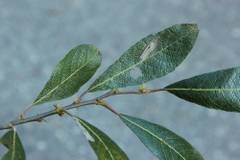
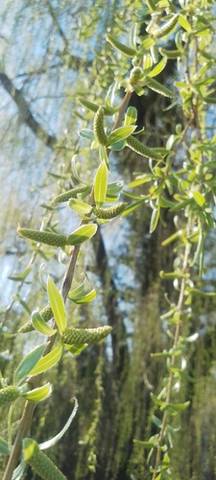
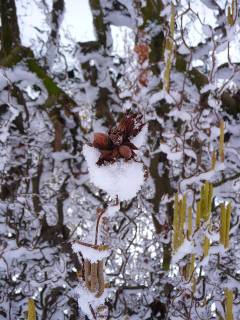
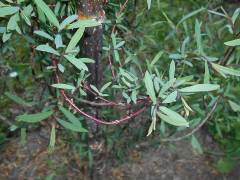
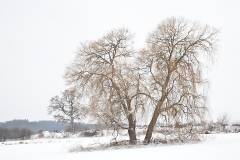
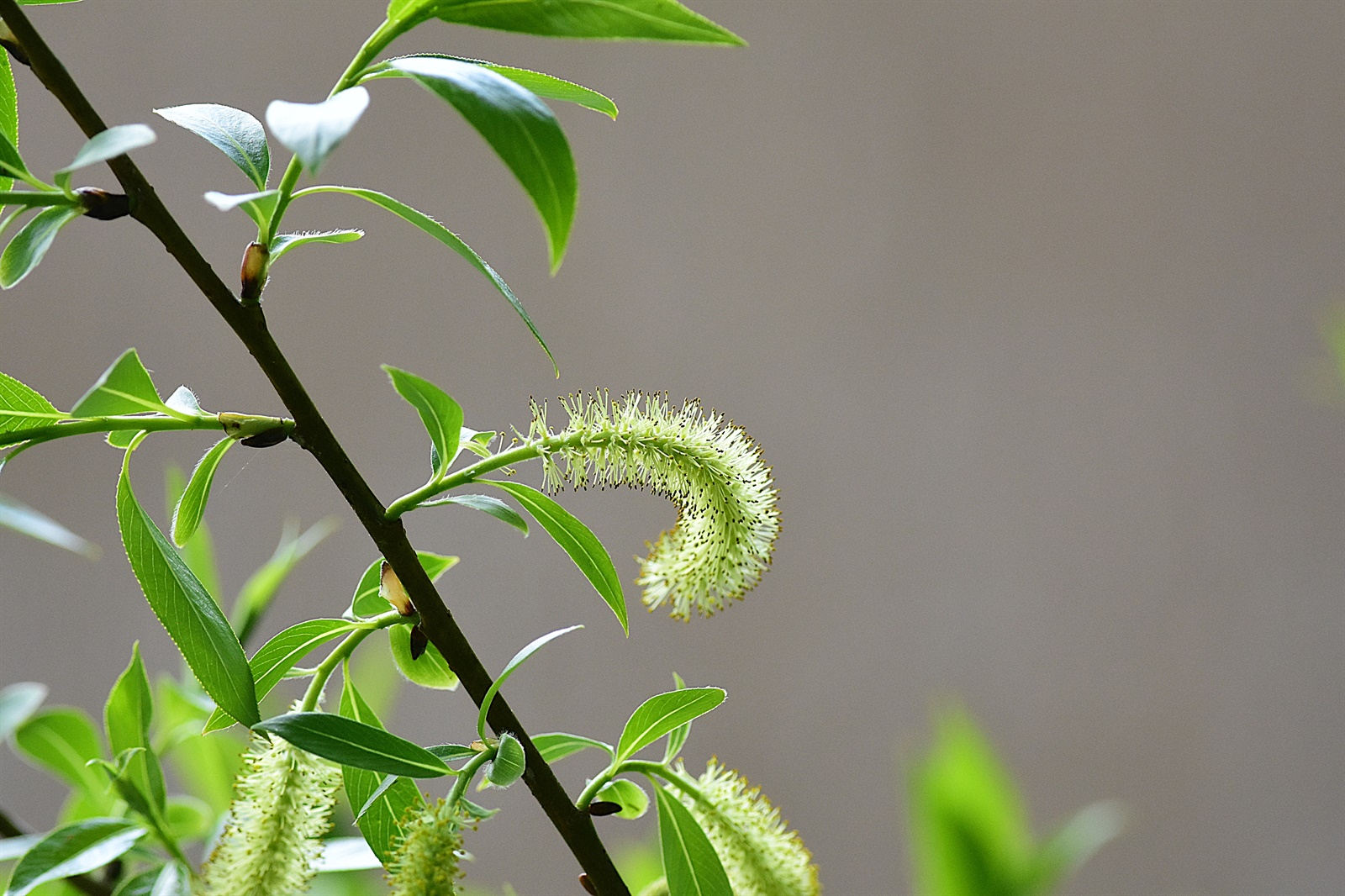
Salix × fragilis is a fast-growing deciduous tree reaching 33–66 feet (10–20 m) tall and 30–50 feet (9–15 m) wide, with a broad, often leaning crown and rough, deeply furrowed gray-brown bark. Long, narrow lance-shaped leaves 3–6 inches (7.5–15 cm) long are glossy green above and pale beneath, with finely toothed margins. The common name comes from the twigs, which snap cleanly from the branch at the base with an audible crack, and the fallen pieces float downstream and root, starting new trees. Slender yellow-green catkins 1.5–2.5 inches (4–6 cm) long appear with the leaves in spring on separate male and female trees. The tree grows along rivers, ditches, and damp ground and tolerates flooding and waterlogged soil. Its brittle wood drops limbs in storms, and the spreading roots can block drains and lift paving. Salix × fragilis is listed as an invasive weed along waterways in Australia, New Zealand, and parts of North America, where it crowds out native streamside vegetation. It is short-lived for a tree, often declining within 40–60 years.
Native Range
Salix × fragilis is a hybrid of Salix euxina and Salix alba, long cultivated and native to Europe and western Asia. It has been planted for centuries for basketry, riverbank stabilization, and shade, and has naturalized along watercourses far beyond its origin. In many regions it now grows as a self-sown tree of wet ground.Suggested Uses
Historically planted for riverbank stabilization, windbreaks, basketry, and fast shade, spaced 20–30 feet (6–9 m) apart. Current use is limited by its invasive spread and brittle wood, and it is discouraged near natural waterways. Coppiced stems are still grown for biomass and craft material in managed plantings.How to Identify
Appearance
Size & Dimensions
Height33' - 66'
Width/Spread30' - 50'
Bloom Information
Catkins appear in spring, about April to May, opening with or just before the new leaves. Male and female catkins grow on separate trees, both yellow-green and pollinated by wind and insects. Bees gather pollen and nectar from the early catkins. Female trees release tufted, wind-borne seed in late spring.
Detailed Descriptions
Foliage Description
greenGrowing Conditions
Sun Requirements
Requires 6-10 hours of direct sunlight daily
• Full Sun: 6+ hours of direct sunlight
• Partial Shade: 3-6 hours of direct sunlight
• Full Shade: Less than 3 hours of direct sunlight
Care & Maintenance
Care Guide
Salix × fragilis grows in full sun on moist to wet soil at pH 5.5–8.0 and tolerates flooding, heavy clay, and poor ground. The tree needs ample water and grows poorly on dry sites, while its thirsty, spreading roots seek out drains and water lines. It is hardy in USDA zones 4–8 and withstands hard winters. The brittle branches break in wind and ice and drop limbs, so the tree is kept away from buildings and paths. Because it is invasive along waterways, planting near natural streams is discouraged in many regions. Cut stems and fallen twigs root readily in damp soil.Pruning
Pollarding or coppicing in late winter, cutting the stems back hard to a stump or framework, produces a flush of straight new shoots and limits the size of the brittle crown. Removing damaged and crossing limbs reduces storm breakage. Cut material roots easily, so it is not left lying on wet ground where spread is a concern.Pruning Schedule
Prune: February–March
winter