Salix, Genus, alba, Species, 'Tristis', Cultivar,
- Genus & species
- Cultivar
golden weeping willow
Europe, western Asia, and Central Asia; riparian zones, riverbanks, and moist lowland areas
Overview
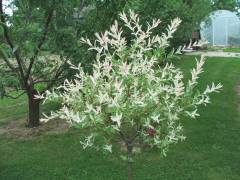
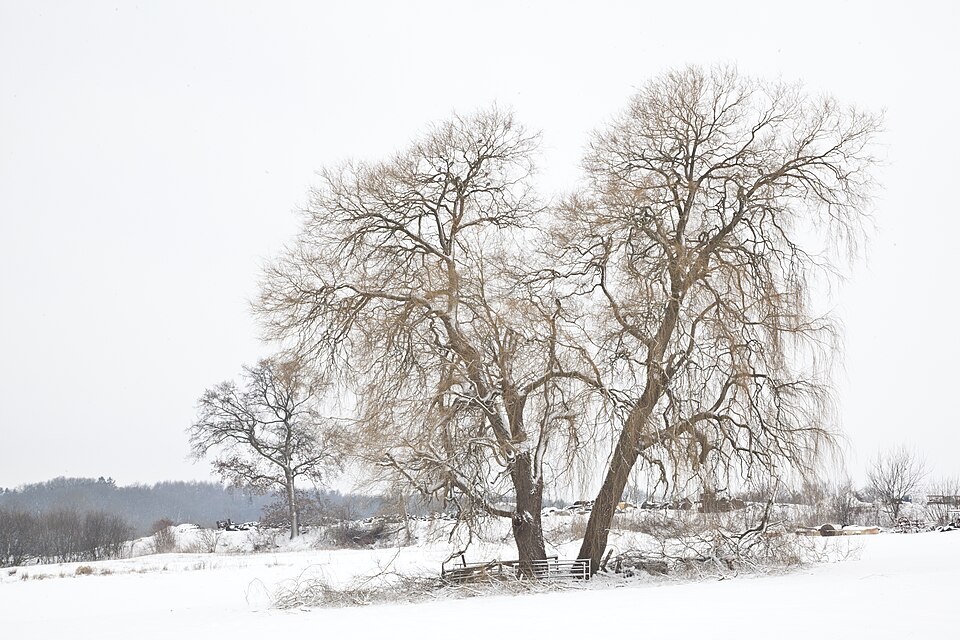
Salix alba 'Tristis' is golden weeping willow (Niobe willow), a large spreading deciduous tree growing 50-75 feet (15-23 m) tall and 50-70 feet (15-21 m) wide. Yellow male or green female catkins 1-2 inches (2.5-5 cm) in March-April (3 weeks). Narrow lance-shaped leaves 2-4 inches (5-10 cm), green above with silvery-white silky undersides. Yellow first-year twigs are the namesake winter feature. In Salicaceae. Tristis = sad (weeping). Alba = white (silvery leaf undersides). Often sold as S. × sepulcralis 'Chrysocoma' (a related hybrid). Native to Europe, western Asia, and Central Asia. The massive size (50-75 feet / 15-23 m) and aggressive moisture-seeking root systems are the primary limitations — roots damage water lines, sewers, septic systems, and foundations within 100 feet (30 m). Short-lived for a tree (40-70 years). Brittle wood — branches break in storms. Susceptible to many willow pests and diseases. Requires constant moisture. Bark contains salicin (aspirin precursor). Non-toxic. Zones 4-8. Full sun. Growth rate is very fast.
Native Range
Native to Europe, western Asia, and Central Asia. Found in riparian zones, riverbanks, and moist lowland areas.Suggested Uses
Grown as a large specimen tree at pondsides, lakeshores, and in low wet areas with abundant space, spaced 50+ feet (15+ m). Riparian. Aggressive roots. Massive size. Non-toxic. Zones 4-8.How to Identify
Appearance
Size & Dimensions
Height50' - 75'
Width/Spread50' - 70'
Colors
Bloom Information
Early to mid spring (March-April). Yellow male or green female catkins 1-2 inches (2.5-5 cm). 3 weeks. Dioecious. Bee-visited. Emerge with the leaves. Not ornamental at distance.
Detailed Descriptions
Flower Description
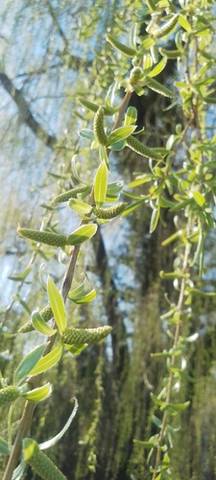
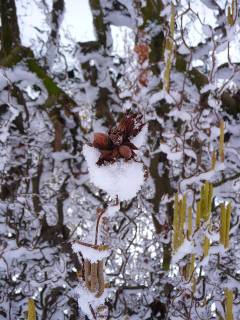
Yellow male catkins or green female catkins (dioecious — separate male and female trees), 1-2 inches (2.5-5 cm); March-April; emerge with the leaves; not ornamental at distanceFoliage Description
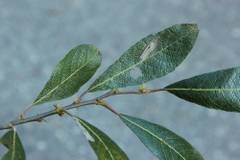
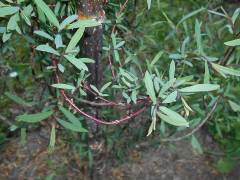
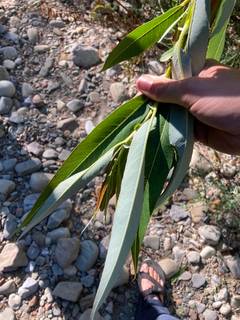
Medium to yellow-green, narrow lance-shaped (lanceolate), 2-4 inches (5-10 cm), with finely serrated margins; silvery-white silky hairs on the undersides give the foliage a two-toned shimmer in wind; turns yellow in fallGrowing Conditions
Sun Requirements
Requires 6-12 hours of direct sunlight daily
• Full Sun: 6+ hours of direct sunlight
• Partial Shade: 3-6 hours of direct sunlight
• Full Shade: Less than 3 hours of direct sunlight
Care & Maintenance
Care Guide
Full sun (6-12 hours). Constant moisture required — riparian zones, pondsides, low areas. Tolerates clay and seasonally flooded soil. Massive size (50-75 feet / 15-23 m) and aggressive roots — keep 100+ feet (30 m) from water lines, foundations, septic. Short-lived (40-70 years). Brittle wood. Many pests/diseases. Non-toxic. Zones 4-8.Pruning
Prune in late winter (February-March) before sap rise. Tolerates pollarding (severe annual cutback to a framework) — pollarding maintains a smaller scale and produces more vivid yellow new twigs for winter color. Remove dead or storm-damaged branches.Pruning Schedule
Prune: February–March
early spring