Image 1 of 8
1 / 8
Anthony Valois and the National Park Service, no rights reserved (CC0) · Wikimedia Commons
Salix, Genus, laevigata, Species,
- Genus & species
red willow
California, southwestern United States, and northwestern Mexico
Overview
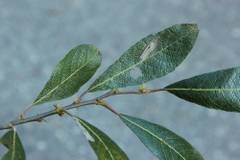
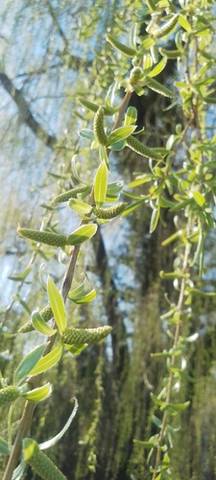
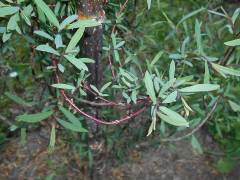
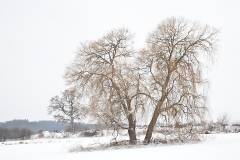
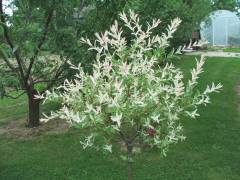
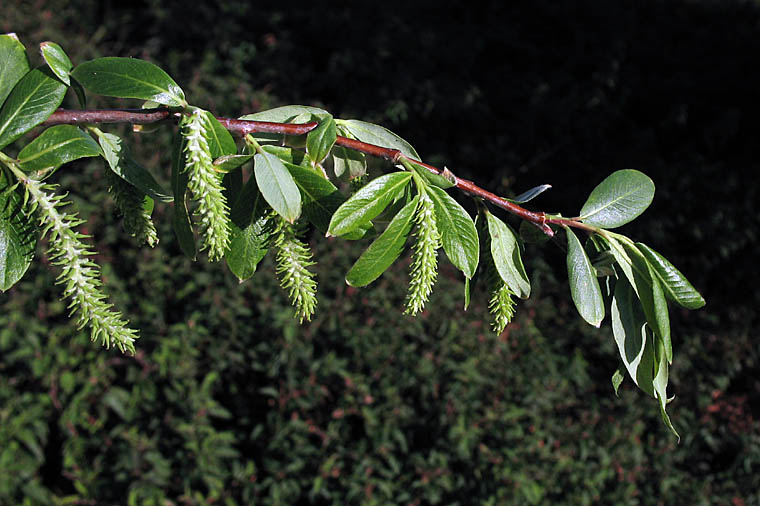
Salix laevigata is a fast-growing deciduous tree reaching 15-45 feet (4.5-14 m) tall and 15-30 feet (4.5-9 m) wide, occasionally taller on permanent water. It develops one or several trunks with rough, dark gray bark and an open, rounded crown of arching branches. The lance-shaped leaves are 2.5-6 inches (6-15 cm) long, glossy green above and pale blue-green beneath, turning yellow before they drop in autumn. S. laevigata is dioecious, with male and female catkins on separate trees opening from February to April as or just before the leaves emerge; catkins are 1-3 inches (2.5-8 cm) long and yellow-green. The tree grows along streams, rivers, springs, and seeps from California through the Southwest into northwestern Mexico, where its roots bind streambanks and tolerate seasonal flooding. It needs consistently moist soil and declines under prolonged drought. The brittle wood breaks in storms, and the shallow, water-seeking roots can disrupt drains and pavement, limiting use near structures. Bees gather pollen and nectar from the catkins, and the foliage feeds the larvae of several butterfly and moth species. Trees are short-lived, often 30-50 years, but resprout readily from cut stumps and broken branches.
Native Range
Salix laevigata is native to California, the southwestern United States, and northwestern Mexico, including Baja California. It grows in riparian corridors along streams, rivers, springs, and seeps below about 5,000 feet (1,500 m).Suggested Uses
Used in streambank stabilization, riparian restoration, and large naturalized or rain-garden plantings where soil stays moist. It is planted 15-25 feet (4.5-7.5 m) apart and away from septic lines, drains, and foundations because of its spreading roots. The tree creates fast shade and wildlife cover along water.How to Identify
Appearance
Size & Dimensions
Height15' - 45'
Width/Spread15' - 30'
Bloom Information
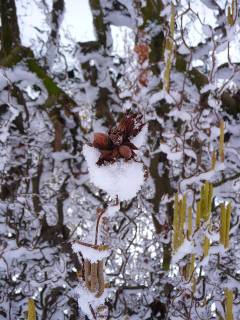
Catkins open from February to April, before or as the leaves expand. Male and female catkins occur on separate trees and are yellow-green, 1-3 inches (2.5-8 cm) long. They supply early-season pollen and nectar to bees and other insects.
Detailed Descriptions
Foliage Description
glossy green above, pale blue-green beneathGrowing Conditions
Sun Requirements
Requires 6-12 hours of direct sunlight daily
• Full Sun: 6+ hours of direct sunlight
• Partial Shade: 3-6 hours of direct sunlight
• Full Shade: Less than 3 hours of direct sunlight
Care & Maintenance
Care Guide
Salix laevigata grows in full sun with 6 or more hours of direct light and needs consistently moist to wet soil along water or in irrigated ground. It accepts loam, sand, or clay and a soil pH from 6.0 to 8.0, and it tolerates seasonal flooding and brief standing water. The species is hardy in USDA zones 7-10 but needs steady moisture and declines under drought. Young trees grow several feet per year where water is reliable. The brittle branches shed in wind, creating regular litter and deadwood.Pruning
Pruning in late winter while dormant removes deadwood and crossing branches and reduces storm breakage. Salix laevigata resprouts vigorously from cuts and can be coppiced or pollarded to control size. Large pruning wounds heal slowly and can admit decay, so cuts are kept to branches under about 4 inches (10 cm) in diameter.Pruning Schedule
Prune: January–February
winter