Salix, Genus, sitchensis, Species,
- Genus & species
sitka willow
Alaska south through British Columbia, Washington, and Oregon to California; moist stream banks, wetland edges, and wet forest openings
Overview
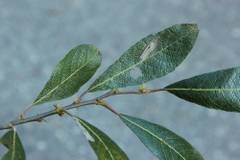
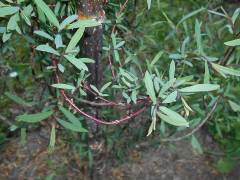
Salix sitchensis is Sitka willow (Coulter willow), an upright deciduous shrub or small tree growing 6-20 feet (1.8-6 m) tall and 6-15 feet (1.8-4.6 m) wide. Silky satiny sheen on both leaf surfaces from dense silvery-white hairs (especially beneath); narrow-obovate to oblanceolate leaves 2-4 inches (5-10 cm) widest above the middle with a pointed tip; foliage turns yellow in fall. Catkins emerge with or just before the leaves in March-April (4 weeks); the technical diagnostic feature is a single stamen per male flower, found in no other native Pacific Northwest willow where most Salix species have 2 stamens (a hand lens is required to confirm). Dioecious. Family Salicaceae. Sitchensis = of Sitka (Alaska, the type locality). Native to Alaska south through British Columbia, Washington, and Oregon to California; the species occurs on moist stream banks, at wetland edges, and in wet forest openings as a riparian specialist. Distinguished from S. lasiandra by silky-hairy (not glossy) leaves and the absence of petiolar glands; from S. scouleriana by narrower less-woolly leaves. Used as food and habitat by beavers, deer, lepidoptera larvae, and many bird species. Like other willows, the roots are water-seeking; the species is suited to riparian and wetland edge plantings rather than residential foundations. Non-toxic. Hardy in zones 4-9. Grown in part sun to full sun. Growth rate is moderate.
Native Range
Native to Alaska south through British Columbia, Washington, and Oregon to California. Found on moist stream banks, at wetland edges, and in wet forest openings. The type locality is Sitka, Alaska.Suggested Uses
Salix sitchensis is grown in riparian buffer plantings, wetland edges, hedgerows, and large native landscapes, spaced 6-15 feet (1.8-4.6 m) apart. Silky leaves on a riparian specialist. Wildlife food. Non-toxic. Hardy in zones 4-9.How to Identify
Appearance
Size & Dimensions
Height6' - 20'
Width/Spread6' - 15'
Bloom Information
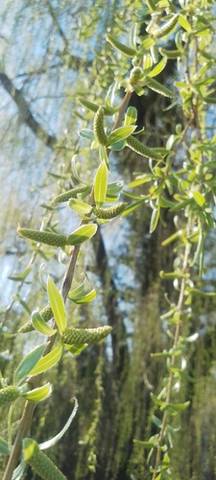
Spring (March-April). Silvery catkins emerge with or just before the leaves. Bloom lasts about 4 weeks. Dioecious. Wind-pollinated. Single stamen per male flower, found in no other native Pacific Northwest willow. Cottony seed dispersal in May-June.
Detailed Descriptions
Flower Description
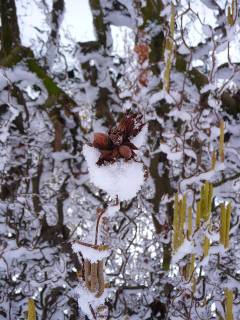
Catkins emerge with or just before the leaves in March-April; the diagnostic technical feature is a single stamen per male flower — found in no other native Pacific Northwest willow (most Salix species have 2 stamens; magnification is required to confirm); silvery catkins; dioecious; cottony seed dispersal in May-June; sitchensis = of Sitka (Alaska).Foliage Description
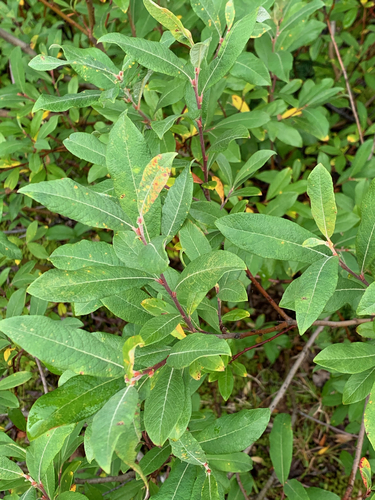
Silky satiny sheen from silvery-white hairs on both surfaces (especially dense beneath); narrow-obovate to oblanceolate, 2-4 inches (5-10 cm), widest above the middle, with a pointed tip; turns yellow in fall.Growing Conditions
Sun Requirements
Requires 3-10 hours of direct sunlight daily
• Full Sun: 6+ hours of direct sunlight
• Partial Shade: 3-6 hours of direct sunlight
• Full Shade: Less than 3 hours of direct sunlight
Care & Maintenance
Care Guide
Grown in part sun to full sun with 3-10 hours of direct sun. Soil is moist clay, loam, or silt with a pH of 5.5-7.5; the species requires consistent moisture from riparian or wetland conditions. Cold-hardy to zone 4. Water-seeking roots are suited to riparian sites rather than residential foundations. Non-toxic. Hardy in zones 4-9.Pruning
Pruned in late winter (February-March) before bud break. Tolerates coppicing, useful for managing size and producing flexible new shoots for basketry and weaving.Pruning Schedule
Prune: February–March
early spring